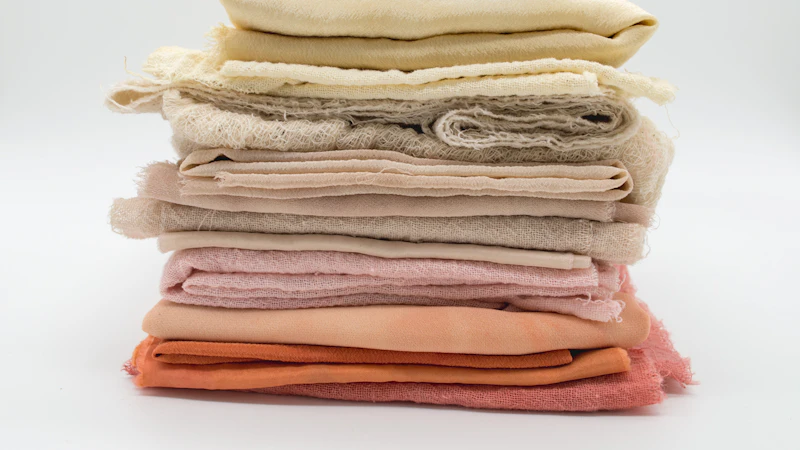
What is organic cotton in fashion?
Cotton grown without synthetic pesticides, synthetic fertilisers or genetically modified seeds, under certified organic farming rules.
In short
Organic cotton is cotton grown under certified organic farming practices, without synthetic pesticides, synthetic fertilisers or genetically modified seeds. To label a product as organic, brands typically rely on third-party certification that tracks the fibre from the farm through every processing step to the finished garment.
How does it work in practice?
Farmers follow organic agricultural rules, using crop rotation and natural inputs, and are certified by approved bodies. After harvest, the fibre passes through ginning, spinning, fabric production and garment making. Each step must maintain separation and documentation so the organic status can be verified. Brands request transaction certificates and record organic content in the BOM and product data.
- Certified farms and processing sites
- Chain-of-custody documentation
- Clear labelling of organic content percentage
Why does it matter for fashion businesses?
Organic cotton helps brands meet material commitments and respond to buyer and consumer expectations around responsible sourcing. It can carry a price premium, and supply can be tight, so planning and supplier relationships are important. Because organic claims are frequently checked, documentation is essential; inaccurate claims can expose a brand to accusations of greenwashing and damage relationships with retailers.
How is AI changing it?
Traceability platforms use AI to match certificates, invoices and shipment data, flagging inconsistencies in claimed organic volumes. Some solutions combine documentation checks with physical testing methods to verify fibre origin. Demand planning tools also help brands commit to organic fibre volumes earlier, supporting farmers and securing supply.
Common pitfalls
Common issues include relying on supplier declarations without certificates, confusing organic cotton with other cotton programmes and making broad environmental claims based only on fibre choice. Brands should describe organic content precisely and keep evidence available for retail partners and authorities.
Frequently asked questions
Is organic cotton better for the environment?
Organic farming avoids synthetic pesticides and fertilisers, which can benefit soil and farmer health. The overall impact depends on many factors, so brands should make specific rather than general environmental claims.
How can I verify that cotton is organic?
Look for third-party certification and transaction certificates that document the organic fibre through each stage of the supply chain, rather than relying on product labels alone.