E-Commerce
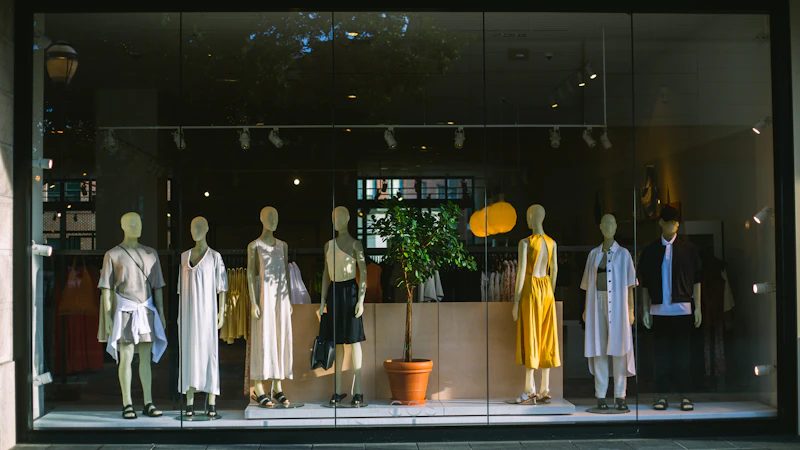
How Farfetch used AI for personalisation and marketplace operations
Farfetch built an in-house recommendation engine and partnered with AI vendors and a styling service. A look at what was published, from 2017 to 2023, and the limits of the evidence.
How Vinted uses AI in search and recommendations for second-hand fashion
Vinted's engineering team has published detailed accounts of its search, autocomplete and recommendation systems. This case study sets out what is documented, what the results were and what other marketplaces can learn.

How American Eagle Outfitters positions AI: Aerie's pledge against generated bodies
American Eagle's most visible AI statement is a refusal: its Aerie brand pledged no AI-generated bodies or people. A case study of a retailer using AI policy as brand strategy, and what is not public.

How Lands' End uses virtual model and AI fit tools, and what is known about returns
Lands' End has used virtual model technology since 2001 and now offers AI fit guidance in conversational shopping. A case study of the published claims, with the evidence on returns assessed.

An agentic commerce playbook for fashion retailers in 2026
Agentic commerce lets an AI assistant shop on a customer's behalf. This guide sets out what is live, what fashion retailers must fix first and where the open risks sit.

Getting found in ChatGPT shopping and AI assistants: what fashion brands can control
Nobody can buy a guaranteed place in an AI assistant's answer. Fashion brands can, however, control crawler access, product data and policy clarity, and those are the levers that matter.

Returns policies when the buyer is an AI agent: rules to write now
When an assistant places the order, returns questions get harder: who authorised the purchase, what the shopper was told, and who pays. Here are the rules fashion retailers should settle first.
Which fashion queries trigger AI answers, and what that means for content
AI answers appear far more often on informational searches than on buying searches. For fashion publishers and retailers, that shapes which content is at risk and which is not.

Fraud, chargebacks and liability in agentic checkout for fashion
Card networks and payment providers have launched tokens and verification methods for AI agents, but who pays when an agent gets it wrong is still unsettled. Here is where fashion retailers stand.

How to disclose chatbots and AI agents under the AI Act: wording and placement
Article 50 requires people to know they are dealing with a machine, at the latest at first interaction. Practical wording, placement and testing for fashion e-commerce.

Paid returns: what happens to conversion and loyalty?
Returns fees are now common in UK fashion, yet public evidence on conversion and loyalty is thin. What the data says, what it does not, and how to test a fee safely.

How to measure virtual try-on: a test design and the numbers to track
Try-on users are not a random sample, so naive comparisons overstate results. A test design with holdouts, the metrics that matter and the traps to avoid.

How to automate returns and exchange conversations safely
AI agents can handle routine return and exchange chats, but a wrong answer can bind the retailer. How to scope, ground, escalate and audit an assistant before it speaks to customers.

Quality control for AI-written product pages: a practical guide
Generated product descriptions can invent attributes, drift off brand and trigger search penalties. A review workflow with automated checks, human sampling and clear labelling.
How does Saks use AI agents in customer service and personal shopping?
Saks set out a plan in 2024 to let AI agents handle routine service requests and to give advisors AI recommendations from a unified customer profile. Here is what was announced, what is known and what is not.
How Marks & Spencer uses AI for style advice and product descriptions
M&S uses AI to personalise online fashion, power a body shape and style quiz and write most product descriptions, and in 2026 gave Copilot to 11,000 colleagues. What has been reported.

How does ASOS use AI? Outfit recommendations, the AI Stylist and ChatGPT
ASOS has moved from single-product recommendations to AI-generated outfits, an in-app AI Stylist and a shopping app inside ChatGPT. What it has published, and what other fashion retailers can learn.

How does Myntra use generative AI? From MyFashionGPT to AI sizing and try-on
India's Myntra launched a ChatGPT-based shopping assistant in 2023 and has since added AI sizing, try-on and seller tools. What it has published, what is still piloting, and the lessons.

What is agentic commerce? How AI agents will shop for fashion customers
AI agents that search, compare and buy on a shopper's behalf are moving from demos into live checkout flows. What agentic commerce means for fashion brands and retailers, and what is still unproven.
How to prepare fashion product feeds for ChatGPT, Gemini and Perplexity shopping
AI assistants recommend products from structured feeds. A practical guide to the fields, variant logic and update discipline fashion retailers need to appear accurately in ChatGPT, Gemini and Perplexity.

Agent payments and checkout protocols: what fashion retailers need to know in 2026
ACP, UCP, AP2, Visa's Trusted Agent Protocol and Mastercard Agent Pay all aim to let AI agents pay safely. What each does, how they fit together and what fashion retailers should decide now.
Launching an AI shopping assistant: a 20-point checklist for fashion e-commerce
From product data and guardrails to EU AI Act transparency and measurement, the 20 checks fashion e-commerce teams should complete before an AI shopping assistant goes live.

Do AI stylists sell? The metrics to judge a conversational shopping assistant
Chat volume says little about whether an AI stylist earns its keep. Which metrics show real commercial impact, how to test them fairly and what published data does and does not prove.

How to audit your fashion brand's visibility in ChatGPT, Gemini and Perplexity
A repeatable audit shows whether AI assistants mention your brand, what they say about it and which pages they cite. Here is a practical method, from prompt sets to crawler checks.

GEO vs SEO: what changes for fashion brands when answers replace search results?
Generative engine optimisation builds on SEO rather than replacing it. What changes is the unit of success: being cited and described correctly inside an answer, not only ranking on a page.
Schema markup for fashion products: which structured data does AI search read?
Product, Offer and ProductGroup markup describe price, availability, sizes and colours in a form machines can parse. Here is what to mark up for apparel, and what markup cannot do.

How do you measure traffic and sales from AI assistants on a fashion website?
AI assistants send fewer but often well-informed visitors, and much of their influence is invisible in standard reports. Here is how to set up analytics to see what can be seen.

Google AI Mode and AI Overviews: what do they mean for fashion retail traffic?
Google now answers many fashion questions itself and is building shopping, try-on and checkout into AI Mode. Fashion retailers should expect fewer informational clicks and more competition inside Google.

Dynamic pricing in fashion: where does AI help and where does it harm the brand?
Algorithmic pricing can clear stock and protect margin, but frequent or personalised price changes carry brand, trust and legal risks. Where AI pricing earns its place in fashion and where it should stop.
Google AI try-on and Doppl: what search-native try-on means for fashion brands
Google moved virtual try-on from a Labs experiment into Search and Shopping in little over a year, then closed its standalone Doppl app. What happened, and what it means for brands.

Virtual try-on in 2026: generative, 3D and AR approaches compared
Generative image try-on, measurement-based 3D avatars and camera-based AR answer different shopper questions. A sober comparison of what each needs, what it delivers and where it falls short.

How does AI predict returns before checkout? Flagging risky baskets explained
Return prediction models estimate, while the basket is still open, how likely each item is to come back. How they work, what data they need, which interventions are fair, and where the legal limits lie.
How can AI reduce fashion returns? 12 levers ranked by likely impact
From size advice and fit flags to return prediction and try-on, a checklist of twelve AI levers for reducing online fashion returns, ranked by evidence and likely impact, with the data each needs.

Fashion technology trends 2026: what is real and what is hype
AI shopping assistants, agentic checkout, virtual try-on and enterprise agents: a sober look at which fashion technology trends are delivering in 2026 and which are still mostly promise.

How does AI improve fit and sizing? From size advice to better patterns
Size and fit problems drive a large share of fashion returns. AI now powers size recommendations, body measurement and virtual fitting rooms, and its data can flow back into patterns and size charts.

How does AI personalisation work in fashion e-commerce?
Recommendations, ranked listings, size advice and conversational assistants all rely on the same thing: clean customer and product data. A practical guide to what works, what it costs and where the limits are.
Virtual try-on in fashion: how does it work and does it reduce returns?
Generative AI can now show a garment on a photo of the shopper. That helps with style decisions, but fit and size are a different problem. What the technology does, what it needs and what the evidence says.

How is AI search changing the way shoppers find fashion?
Shoppers now describe what they want to chatbots and AI search engines instead of typing keywords. How conversational shopping works, what the early evidence shows and what it means for fashion brands and retailers.
How is AI used in fashion customer service, and where does it fail?
AI chatbots and agent assistants can answer order, return and sizing questions around the clock. Customers still want a human when it matters, and companies stay liable for what their bots say.

What is GEO, and how can fashion brands be found in AI search?
Generative engine optimisation aims to make a brand's products and content visible in AI-generated answers. What the research and the platforms actually say, and what fashion brands can do now.
How Zalando uses AI: the assistant, personalisation and size advice
Zalando has put AI into search, discovery and fit. What it built, how the data and models fit together, which results it has published and what remains unproven.

How Nike uses AI: direct-to-consumer data and generative product creation
From demand sensing for its own channels to AI-generated footwear concepts and an AI shopping beta, what Nike has built, what it has disclosed and what changed under new leadership.

How Ralph Lauren uses AI: Ask Ralph and the conversational shopping assistant
Ralph Lauren launched Ask Ralph, a conversational styling assistant built on Microsoft Azure OpenAI, in its US app in September 2025. What it does, what has been disclosed and what remains open.
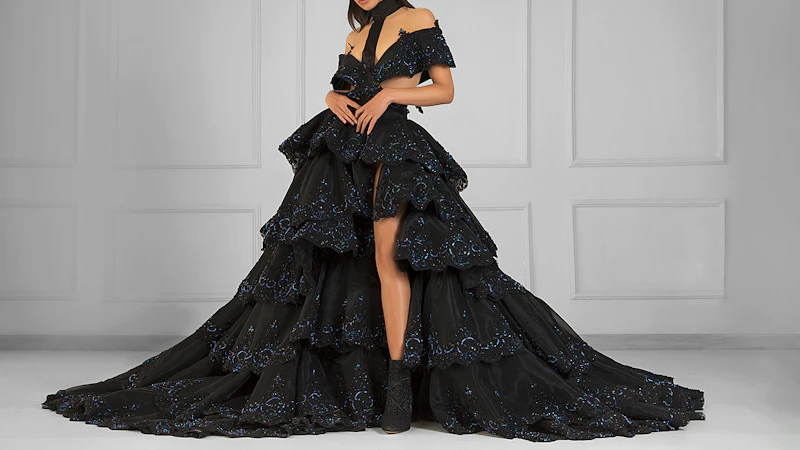
How Stitch Fix uses AI: algorithms plus human stylists
Stitch Fix pairs recommendation algorithms with about 1,700 part-time stylists, and has added generative AI tools such as Vision. How the hybrid model works and what the numbers show.
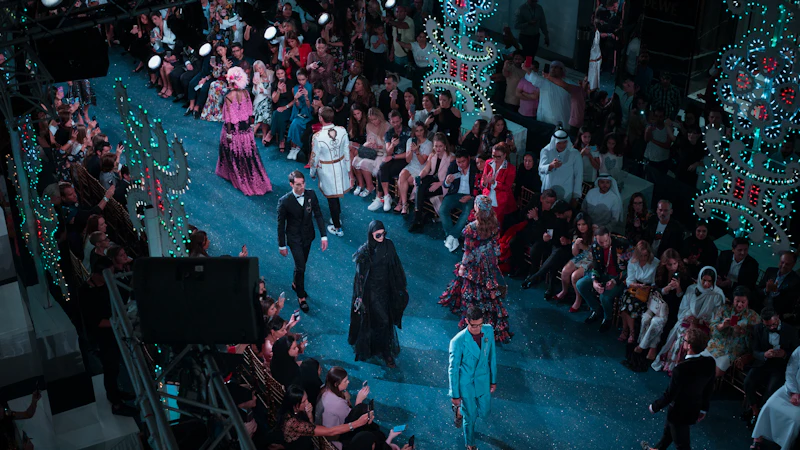
AI in fashion: the September 2026 review
Meta's Muse agent, Amazon's block, Shopify's agent checkout, AI replenishment at Macy's and Zalando's AI imagery: the verified AI news for fashion from September 2026.

AI for fashion e-commerce managers: a practical guide
Where AI helps fashion e-commerce managers with search, personalisation, product content, size advice, service and merchandising, what data it needs, legal duties and a 30-day starting plan.
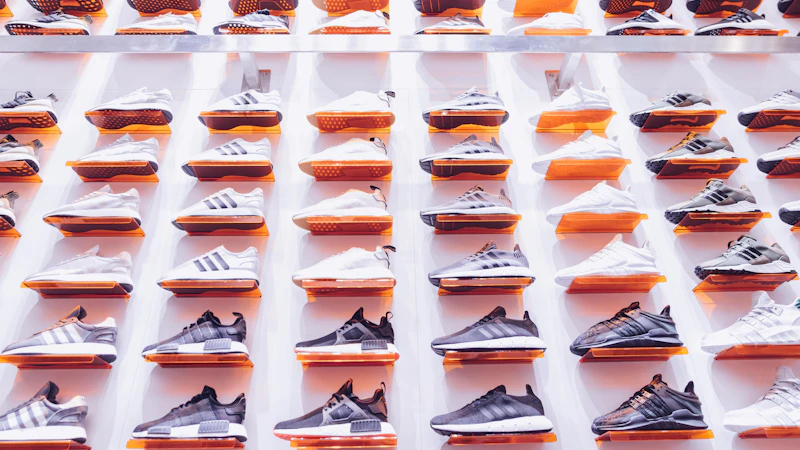
AI in footwear: fit, size data and faster product creation
In footwear, a few millimetres decide whether a sale sticks. AI helps with foot scanning, size advice and design iteration, but only on top of accurate last and product data.

PIM explained: why product data is a fashion brand's hidden asset
A product information management system holds the content that sells: descriptions, attributes, images and translations. Here is why it matters for every channel, wholesale included.

Headless commerce for fashion brands, in plain language
Headless commerce separates what shoppers and buyers see from the engine that runs prices, carts and orders. Here is what that means, when it helps and what it costs.

Marketplaces for fashion brands: models, trade-offs and control
Online marketplaces offer reach, but each model changes who controls price, stock and brand presentation. Here is how the main models work and what brands should weigh.

AI for product descriptions and content: a quality checklist
Generative AI can draft product copy, translations and attributes at scale. Without a quality process it also produces errors, bland text and compliance risks. A checklist for content teams.

Visual search and image recognition in fashion commerce
Image recognition lets shoppers and buyers search by picture and helps brands tag products automatically. How the technology works, where it performs well and what it depends on.
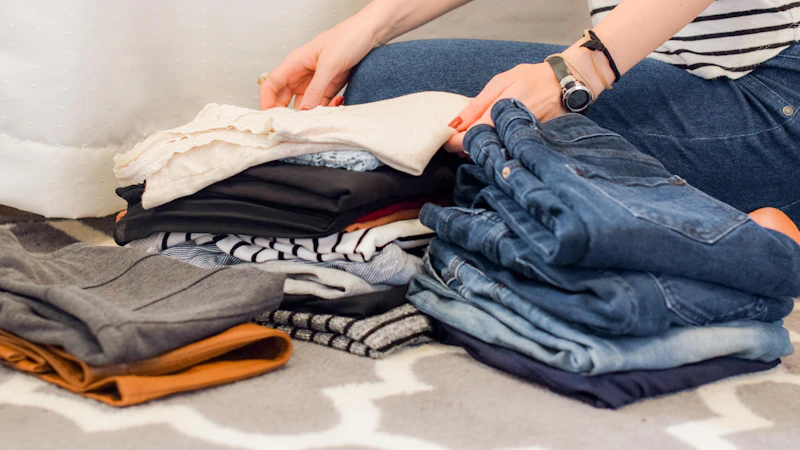
Why returns are fashion e-commerce's costliest problem
Returns hit fashion harder than almost any other online category. Where the real costs arise, why they distort data, and what retailers and brands can do.

The main business models in fashion, explained
Wholesale, direct-to-consumer, licensing, private label and more: how each fashion business model makes money, where the risk sits and why most brands run several at once.

Direct-to-consumer vs wholesale: rethinking the channel mix
The promise of DTC was higher margin and direct customer data. The reality includes acquisition costs, inventory risk and returns. Why the smart answer is usually a deliberate balance.