Business Models
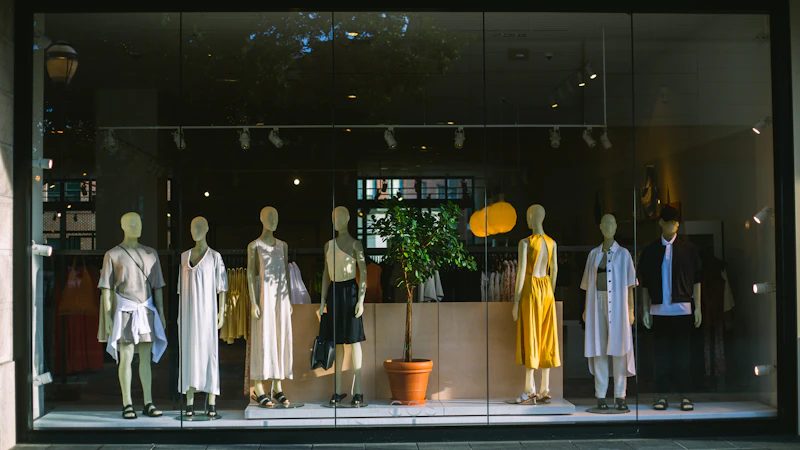
How Farfetch used AI for personalisation and marketplace operations
Farfetch built an in-house recommendation engine and partnered with AI vendors and a styling service. A look at what was published, from 2017 to 2023, and the limits of the evidence.

How VF Corporation uses AI and data across its outdoor and lifestyle brands
VF's annual report cites AI-powered inventory planning inside a wider turnaround, and its CEO calls AI transformative but hyped. What is documented, and what is not.
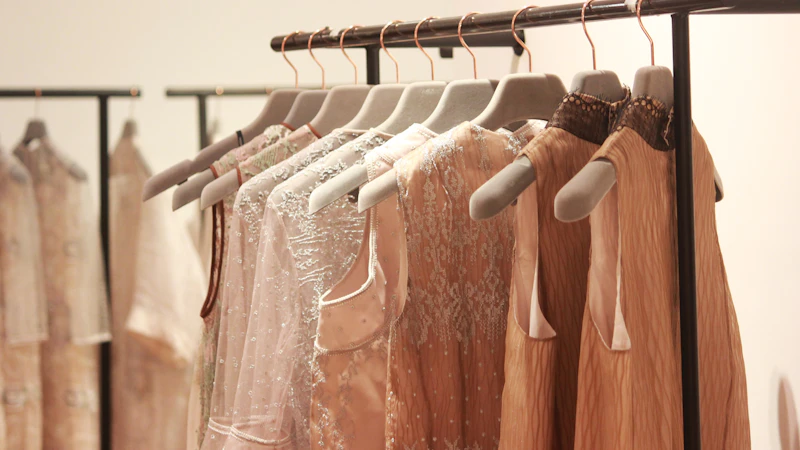
How Next plc turned its data and Total Platform into a growth engine
Next runs warehousing, websites and customer service for other brands through Total Platform, built on systems it develops in-house. Here is how the model works, what the numbers show and where AI now fits.

How did ABOUT YOU and SCAYLE turn commerce technology into a B2B business?
SCAYLE began as the platform behind ABOUT YOU and is now a software unit inside Zalando's B2B business, adding AI content tools. What the published figures show and what brands should take from it.

How does Rent the Runway use data and AI to manage a shared inventory?
Rent the Runway made its biggest-ever inventory bet in 2025, then turned to AI recommendations, search and outfit generation in 2026. What it has reported, and what rental teaches about inventory.

What is agentic commerce? How AI agents will shop for fashion customers
AI agents that search, compare and buy on a shopper's behalf are moving from demos into live checkout flows. What agentic commerce means for fashion brands and retailers, and what is still unproven.

Body scanning and AI made-to-measure: is on-demand fit ready to scale?
Phone-based body scanning now reaches millions of shoppers, but made-to-measure production remains a niche. What the technology can do, what on-demand manufacturing requires, and where the bottlenecks are.
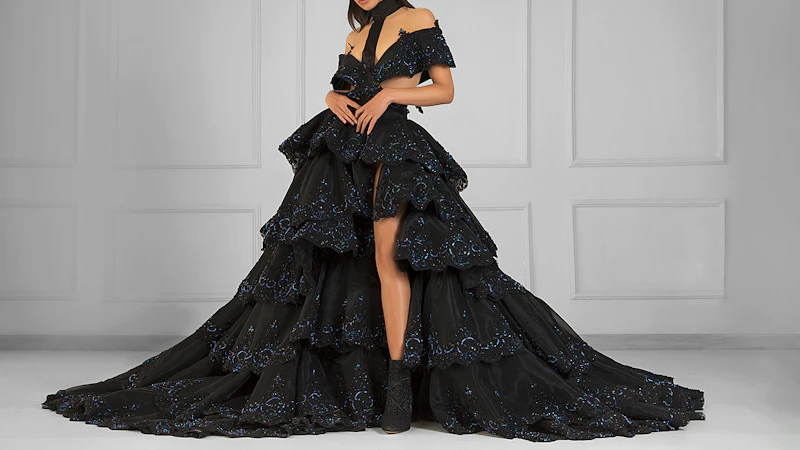
How Stitch Fix uses AI: algorithms plus human stylists
Stitch Fix pairs recommendation algorithms with about 1,700 part-time stylists, and has added generative AI tools such as Vision. How the hybrid model works and what the numbers show.

How Shein uses data and algorithms: the on-demand model and its criticism
Shein says it orders new designs in batches of 100 to 200 pieces and scales them on demand signals. How the data-driven model works, what is claimed, and why regulators and designers criticise it.

What is fashion wholesale? How brands sell collections to retailers
Wholesale is the business of selling a collection to other businesses before the consumer ever sees it. Here is how the model works, who buys, and why it still anchors many fashion brands.

Marketplaces for fashion brands: models, trade-offs and control
Online marketplaces offer reach, but each model changes who controls price, stock and brand presentation. Here is how the main models work and what brands should weigh.
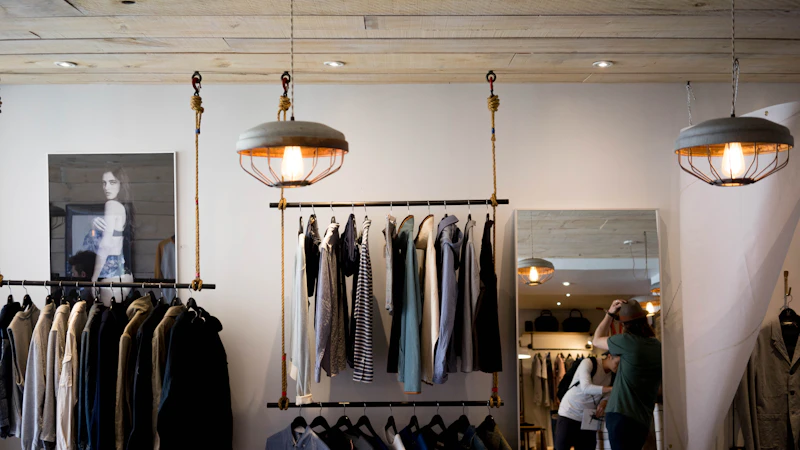
Concession, consignment and wholesale: the three models compared
Who owns the stock, sets the price and carries the markdown risk depends on the commercial model. How wholesale, consignment and concessions differ.

How the department store model works, and why it is changing
Department stores are part merchant, part landlord. How their model makes money, why it came under pressure and what brands should ask of them now.

The main business models in fashion, explained
Wholesale, direct-to-consumer, licensing, private label and more: how each fashion business model makes money, where the risk sits and why most brands run several at once.

Direct-to-consumer vs wholesale: rethinking the channel mix
The promise of DTC was higher margin and direct customer data. The reality includes acquisition costs, inventory risk and returns. Why the smart answer is usually a deliberate balance.

How margins work in fashion, from factory to shop floor
From the factory cost to the price on the swing tag: how landed cost, wholesale markup and retail markup combine, and why markdowns decide what margin is really earned.
Agents, distributors and showrooms: who sells a brand abroad
Commission agents, distributors and multi-brand showrooms all open doors for fashion brands in foreign markets. How each model works, what it costs and what to put in the contract.

What investors look at in a fashion brand
Brand heat is not enough. Investors and acquirers examine margin quality, channel mix, customer data, inventory discipline and scalability. A clear guide to how fashion businesses are assessed.
Resale and recommerce: how second-hand reached the brands
Second-hand fashion has moved from charity shops and peer-to-peer platforms into brand-run programmes. The main models, what they require and where they fit in a brand's strategy.

Made-to-order and pre-order as sustainability tools
Producing against confirmed demand rather than forecasts can reduce surplus stock. Where made-to-order and pre-order work, what they demand from operations and where their limits lie.