Re-Order
A follow-up order for styles a retailer has already bought, placed during the season once early sales show what is working. Glossary
How Revolve uses data and algorithms to buy, price and reorder
Revolve tests styles in small quantities and uses a proprietary dashboard to decide what to reorder, with full-price selling at the centre. How the model works, where AI now fits, and what is not disclosed.

Why is sell-out data essential for AI in fashion wholesale?
Brands that sell through retailers see what they ship, not what consumers buy. Sell-out data closes that gap, and without it most AI forecasting for wholesale works half blind.
How do AI re-order prediction and automated replenishment work for retailers?
Re-orders cover styles that have already proven themselves. AI can suggest or trigger them before a retail partner runs out, if sell-out and stock data are shared.

How can AI help fashion sales reps prepare, sell and follow up?
From account briefings to appointment notes and re-order nudges: what AI can take off a wholesale rep's desk, what buyers still expect from a person, and the risks.

AI for fashion buyers: what changes in buying and how to start
Where AI already helps fashion buyers with trend scanning, line reviews, quantities and re-orders, what data it needs, what stays a human judgement and a 30-day plan to start.

AI for wholesale sales teams and key account managers
How AI helps fashion wholesale reps and key account managers prepare appointments, build retailer assortments, read sell-out data and handle re-orders, plus what buyers still expect from people.
AI in mid-market and wholesale-led fashion brands: where to start
Mid-market brands that sell mainly through retail partners have less data and smaller teams than the giants. AI still pays off, if it targets order-taking, product data and sell-through insight.

How do you design a B2B re-order portal that retailers actually use?
Retailers want to re-order between seasons without calling a sales rep. What a self-service portal needs to offer, which data it depends on and where AI adds value.
Getting sell-out data via EDI: SLSRPT, INVRPT and what to do with them
Sales and inventory reports from retail partners show brands what actually sells, store by store and size by size. How the two EDI messages work and how merchandising teams can use them for re-orders.

Which merchandising tasks can AI agents take over, and which can they not?
Agents can monitor, analyse and propose. Merchandisers still own strategy, trade-offs and supplier relationships. Where the line runs in 2026, and what has to be in place first.

Pre-order vs re-order: the two rhythms of the fashion order book
Pre-orders set the shape of a season; re-orders react to how it is actually selling. Understanding both is essential for planning stock, cash and production.

Replenishment in fashion: how never-out-of-stock programmes work
Never-out-of-stock programmes keep core products permanently available to retailers. They look simple from the shop floor, but depend on disciplined planning, stock and data.

What a good B2B ordering portal needs: a practical checklist
A B2B ordering portal should make it easier for retailers to buy than to pick up the phone. This checklist covers the features and foundations that make the difference.
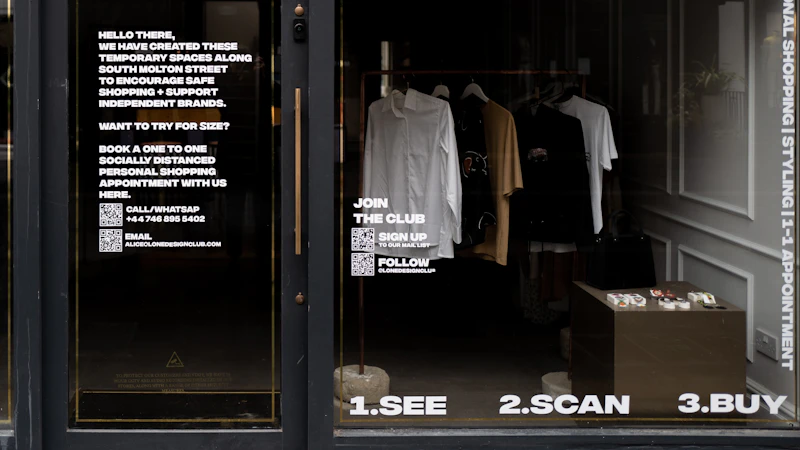
What independent fashion retailers need from their brand partners
Independent boutiques buy with tight budgets and small teams. Brands that make buying easy, share risk in season and protect full-price selling keep them.