Forecasting

How Ganni uses AI and data: sustainability, resale and an AI-themed runway show
Ganni has published a sustainability strategy, a resale and repair programme and an AI-themed fashion show. Public sources do not show demand-planning AI, and this case study says so.

How lululemon approaches AI in product, planning and inventory
lululemon has named a chief AI and technology officer and set a new-style target, but has published few details on AI in planning. Here is what is on record.

What Columbia Sportswear has disclosed about AI, planning and supply chain
Columbia has not published AI deployments, but its annual reports describe how it plans demand, relies on cloud planning tools and treats AI as a technology risk.
How Kontoor Brands (Wrangler, Lee) runs wholesale and planning: what it discloses
Wholesale is Kontoor's largest channel, planned through regional control functions and ERP. Its filings mention AI only as a risk and name no digital showroom.
How Abercrombie and Fitch plans assortments and inventory: what is public on AI
Abercrombie and Fitch talks about AI sparingly, but its Read and React model, ERP replacement and inventory discipline show how a data-led planner works. A sober look at what is documented.

AI for delivery windows: matching drops to retailer floor-space and cash
Delivery timing is a negotiation between brand production and retailer space and cash. AI can model both sides, but only where the underlying data is clean.

Forecasting promotions: baseline, uplift and cannibalisation
A promotion forecast separates what would have sold anyway from what the promotion adds and what it takes from other items. Each step needs its own data and its own caution.
Forecasting by style, colour, size and store: hierarchies explained
Fashion demand can be forecast at many levels, and the forecasts must add up. Hierarchical methods and reconciliation are the standard answer to that problem.
Safety stock in fashion: why classic formulas break and what replaces them
The textbook safety stock formula assumes normal, independent, stable demand. Fashion rarely offers any of the three, so planners need different tools.

Forecast value added: proving a model beats the planner
Forecast value added compares each step of a forecasting process with a simple benchmark, so a team can see whether models and manual overrides improve accuracy or only add effort.
Cash-flow forecasting with AI for wholesale-heavy brands
Wholesale brands tie up cash in stock and receivables for months. AI can improve timing forecasts, but customer payment behaviour is the hardest input to predict.
How is AI used for capacity booking and production planning in fashion?
AI can improve capacity forecasts and scenario planning, but booking quality still depends on order stability, honest lead times and supplier relationships.
Can AI predict lead times and freight delays for fashion shipments?
Machine learning can narrow the range of likely arrival dates, but it cannot remove shocks such as rerouting, tariffs or port disruption.

Merchandising data checklist: ten fields AI planning tools need
Ten data fields that decide whether a planning or forecasting tool can work, and the pitfalls in each.
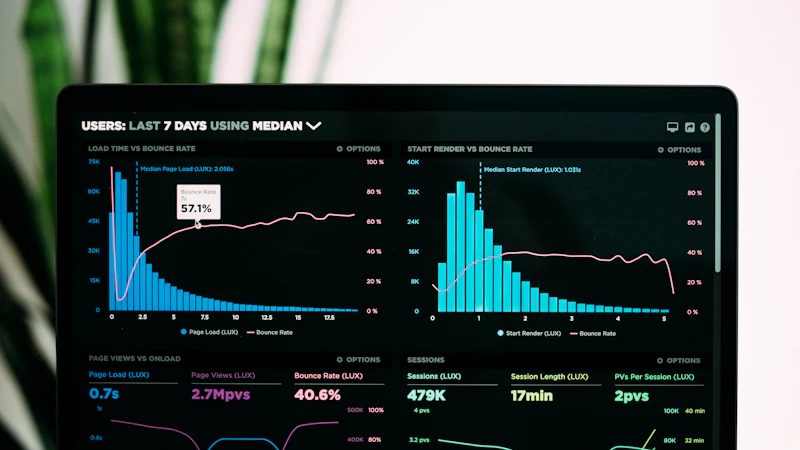
How does Tapestry use data and AI for demand planning and personalisation at Coach?
Tapestry, owner of Coach and Kate Spade, built a shared data layer, used AI to forecast demand and position inventory, and now runs an in-house generative AI system called Mira for planners and merchants.
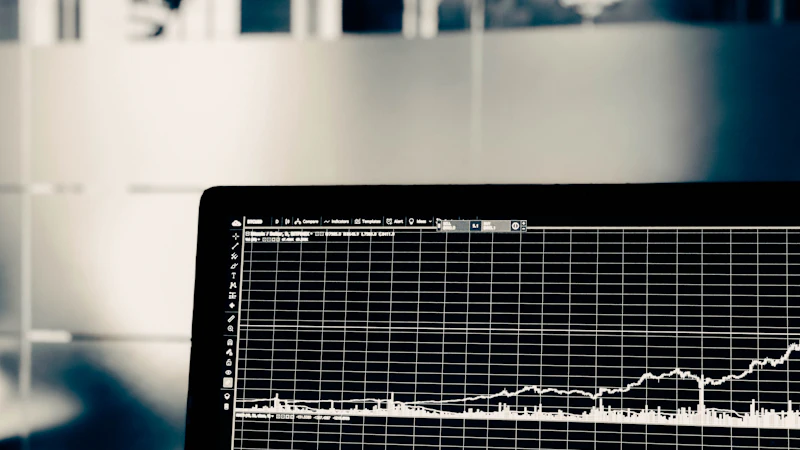
How Decathlon uses AI for demand forecasting and supply planning
Decathlon forecasts weekly demand for up to 25,000 products per supply zone and has moved to a fine-tuned time series foundation model. What it published about accuracy, cost and the limits.
How can AI give early warnings on order book health during a selling campaign?
Comparing this season's order intake with past campaigns, by day, account and style, lets AI flag shortfalls weeks before the book closes. What works, and what still needs judgement.
Which styles should you drop before the sales campaign? How AI helps edit the line
Carrying too many styles into the selling campaign costs samples, minimums and margin. How AI scores styles before the line is shown to buyers, and where merchants must overrule it.
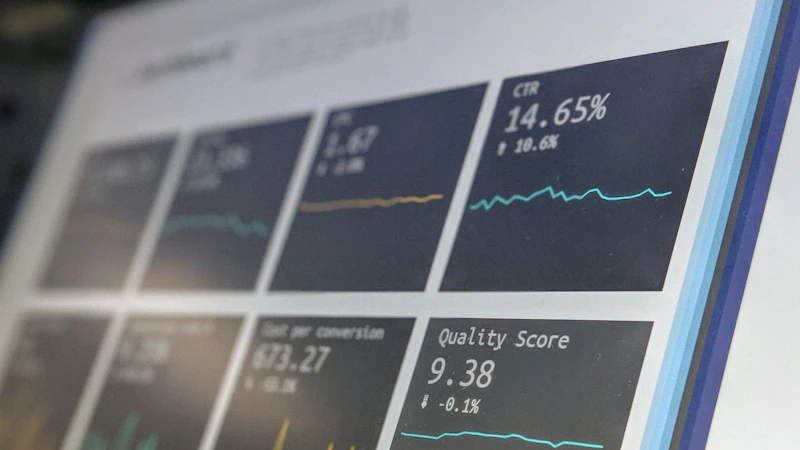
How do you forecast demand for a fashion product with no sales history?
Most of a fashion range is new each season, so classic time-series forecasting has nothing to work with. How AI borrows history from similar products, images, attributes and early sales, and where it still falls short.
How do you measure forecast accuracy in fashion? MAPE, WAPE, bias and MASE
Forecast accuracy decides whether an AI planning tool is worth its cost, yet the most popular metric is badly suited to fashion. A practical guide to MAPE, WAPE, bias and MASE, and what good looks like.
How to choose a demand forecasting tool: a checklist for fashion brands
Demand forecasting software promises less stock and fewer stockouts, but results depend on fit with fashion's product cycles and on your data. A neutral checklist for evaluating tools before you sign.
How do weather and external signals improve fashion demand forecasting?
Unseasonal weather regularly moves fashion sales, and retailers often cite it in results. What weather, events and search data can add to AI demand planning, how much, and where the evidence is thin.
How can AI help decide buy depth and production quantities in fashion?
Buying too deep creates markdowns and waste; buying too shallow loses sales. How AI combines demand forecasts, uncertainty and lead times to set production quantities, and why flexibility matters as much as accuracy.
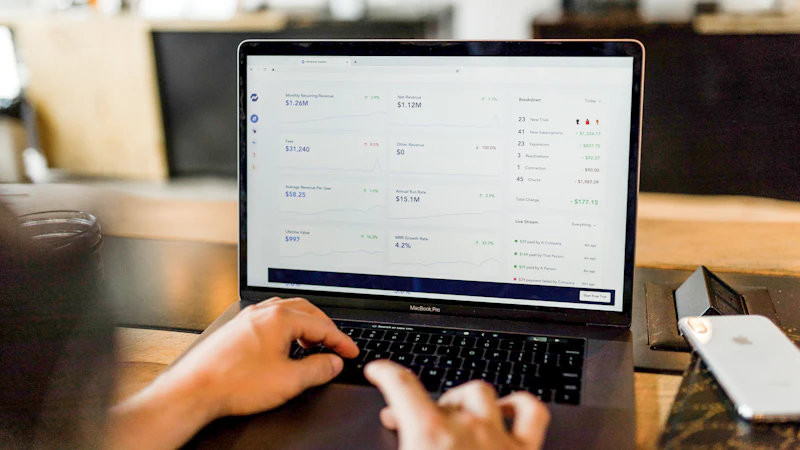
Machine learning basics for merchandisers: models, features and training data
What a model, a feature, a label and training data actually are, explained with fashion merchandising examples, and the questions a merchandiser should ask before trusting a forecast.
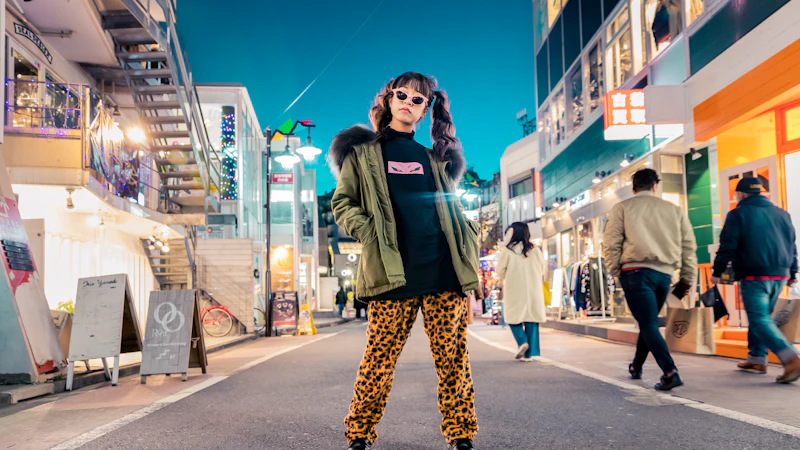
AI trend forecasting in fashion: how it works, what it sees and its limits
AI tools now scan runway images, social media and sales data to spot emerging styles. Here is what the signals can and cannot tell a design or buying team, and why human forecasters still matter.

AI in fashion merchandising: what it does, what it needs and where it fails
Machine learning now supports forecasting, assortment, pricing and planning decisions in fashion. This guide explains the use cases, the data they depend on and how merchants stay in control.
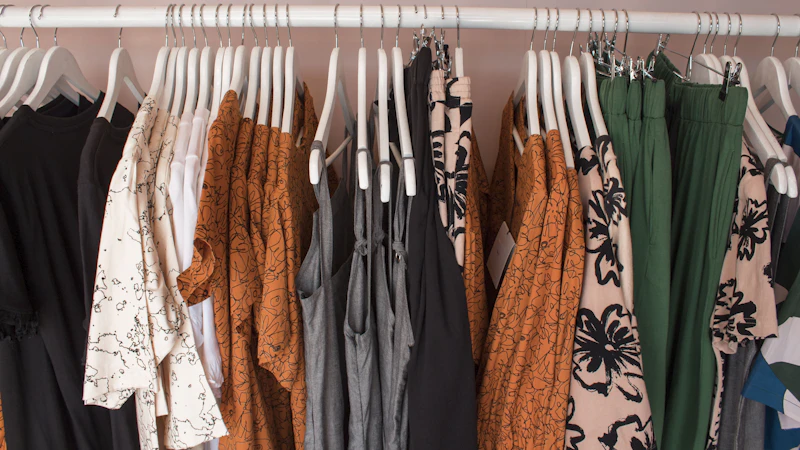
How does AI inventory optimisation reduce deadstock and stockouts in fashion?
Fashion stock is perishable: too much ends in markdowns, too little in lost sales. Here is how AI models balance the two, what evidence exists and what they need to work.

How does AI allocation and replenishment work across stores and channels?
Allocation decides where stock goes first; replenishment decides what follows. AI makes both decisions at size and location level. Here is how it works, what it needs and where it struggles.
What is size curve optimisation and how does AI help buy the right sizes?
Buying the wrong mix of sizes leaves fringe sizes on the rail and core sizes sold out. Here is how AI estimates true size demand, why stockouts mislead the data and what to watch for.

How can AI support range and line planning in fashion?
Range planning decides how many styles, at which prices and in what depth a collection should have. AI can forecast new items and test scenarios, but the creative and strategic call stays human.

What is demand sensing and how does it work in fashion?
Demand sensing updates short-term forecasts with the latest sales and external signals. In fashion it mainly improves in-season decisions: replenishment, transfers and markdowns.

Why is sell-out data essential for AI in fashion wholesale?
Brands that sell through retailers see what they ship, not what consumers buy. Sell-out data closes that gap, and without it most AI forecasting for wholesale works half blind.
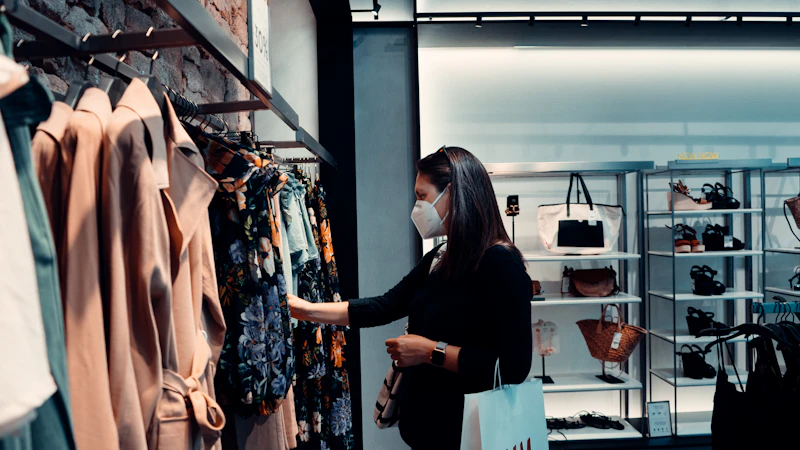
How can AI improve open-to-buy and merchandise budget planning?
Open-to-buy tells buyers how much they can still spend without breaking sales and stock targets. AI can keep that number current and more realistic, provided the plan behind it is sound.
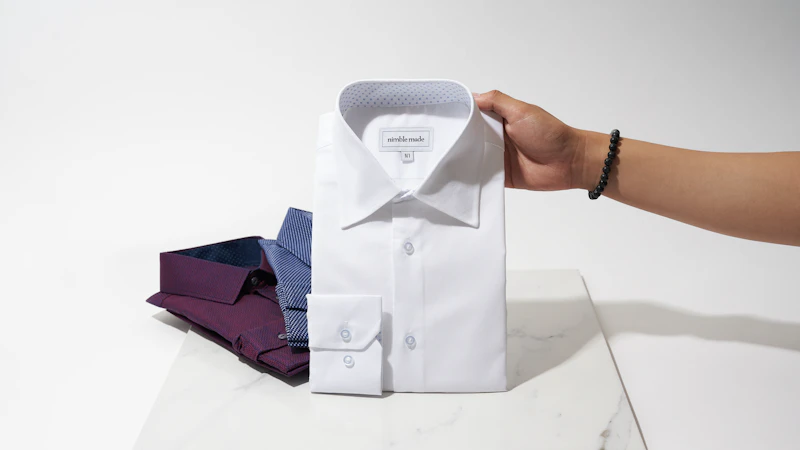
How do AI re-order prediction and automated replenishment work for retailers?
Re-orders cover styles that have already proven themselves. AI can suggest or trigger them before a retail partner runs out, if sell-out and stock data are shared.
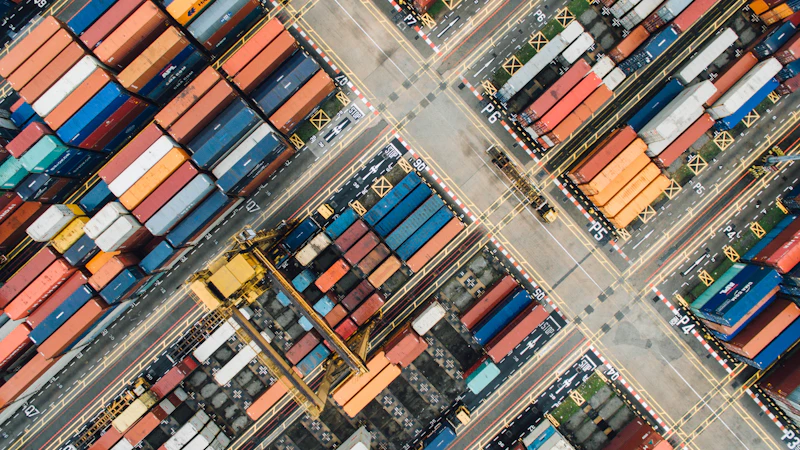
How is AI used in the fashion supply chain?
From demand planning to warehouse robots and supplier monitoring: where AI already works in fashion supply chains, what data it needs and where its limits are.
Can AI make fashion more sustainable?
AI can help fashion make fewer unwanted products and manage new EU rules, but it also uses energy and cannot fix a business model on its own. A sober look at both sides.
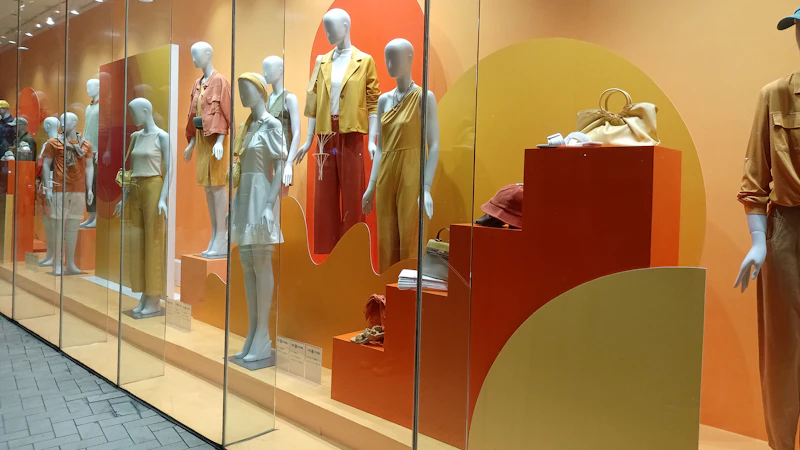
How H&M uses AI: demand, allocation and digital twins
H&M has applied analytics and AI to buying quantities, store allocation and pricing since 2018, and to campaign imagery since 2025. What is documented, and what it has not disclosed.

How Nike uses AI: direct-to-consumer data and generative product creation
From demand sensing for its own channels to AI-generated footwear concepts and an AI shopping beta, what Nike has built, what it has disclosed and what changed under new leadership.
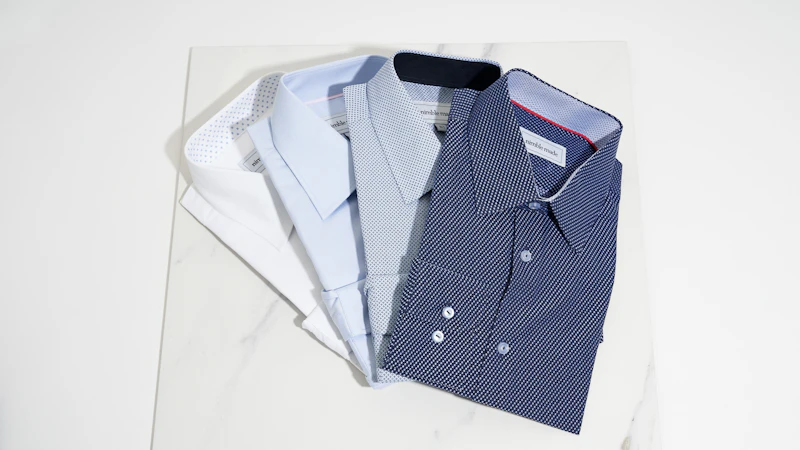
How Uniqlo and Fast Retailing use AI and data in the Ariake Project
Fast Retailing's Ariake Project aims to make and sell exactly what customers want, when they want it. How AI, shared data and automated warehouses fit in, and what the group has disclosed.

How Shein uses data and algorithms: the on-demand model and its criticism
Shein says it orders new designs in batches of 100 to 200 pieces and scales them on demand signals. How the data-driven model works, what is claimed, and why regulators and designers criticise it.

AI for fashion buyers: what changes in buying and how to start
Where AI already helps fashion buyers with trend scanning, line reviews, quantities and re-orders, what data it needs, what stays a human judgement and a 30-day plan to start.

AI for merchandisers and planners: a practical guide
How AI supports merchandise financial planning, forecasting, allocation, replenishment and markdowns in fashion, what data it needs, what planners still decide and how to start.
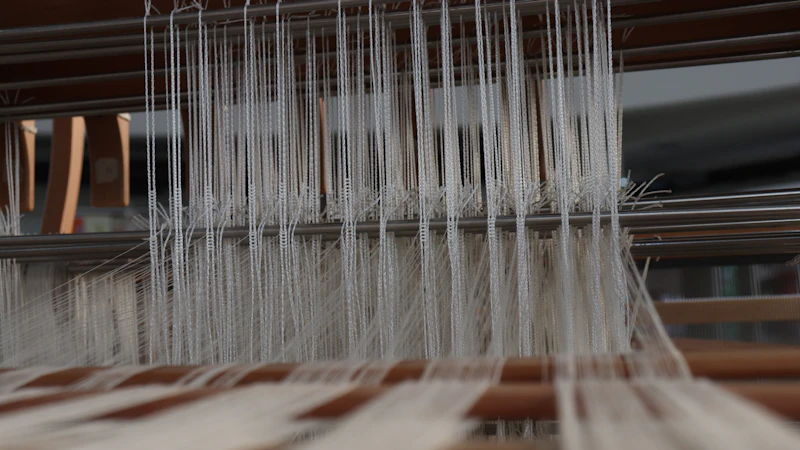
AI for sourcing and supply chain managers in fashion
How fashion sourcing and supply chain managers use AI for demand and production planning, cost and tariff scenarios, supplier risk, compliance and quality, with data needs, limits and a 30-day plan.

AI in sportswear: how it shapes performance product, community and demand
Sportswear brands combine technical product, athlete storytelling and huge launch volumes. AI helps in design, content and demand, but performance claims and athlete data raise the bar.
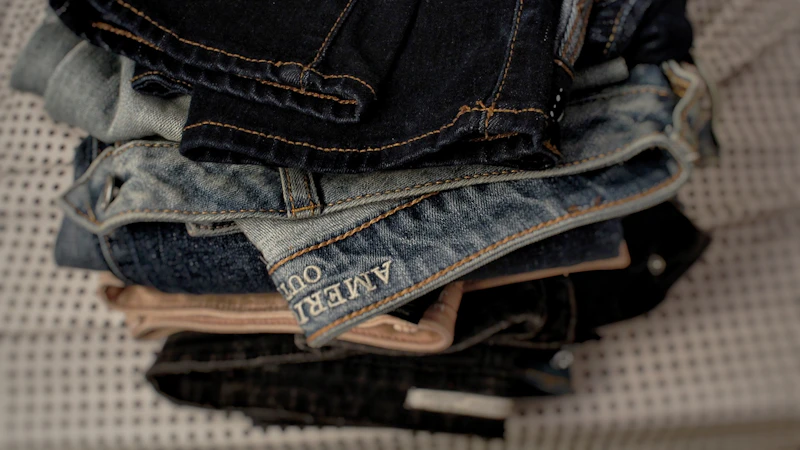
AI in fast fashion: speed, demand signals and the overproduction problem
Fast fashion lives on reading demand early and reacting fast. AI sharpens both, but it can also accelerate volume, and new EU rules make unsold stock more costly.

AI in childrenswear and basics: forecasting replenishment-driven ranges
Basics and childrenswear sell steadily, in many sizes, at thin margins. That makes them ideal for AI forecasting and replenishment, and sensitive when the customer is a child.

Replenishment in fashion: how never-out-of-stock programmes work
Never-out-of-stock programmes keep core products permanently available to retailers. They look simple from the shop floor, but depend on disciplined planning, stock and data.

AI demand forecasting in fashion: how it works and where it fails
Machine learning can improve fashion forecasts for carry-over lines and replenishment, but new styles, short seasons and trend shifts remain hard. What leaders should expect, and what not to.

Overproduction in fashion: causes and levers
Making more than can be sold at full price is built into how fashion plans, buys and produces. Why it happens, why regulation now raises the stakes and which levers actually work.