Generative AI
AI that creates new content such as text, images, video or designs based on patterns learned from training data. Glossary

How Prada Group applies digital tools and AI to product development and clienteling
Prada Group's public AI footprint is mostly in planning and customer data platforms, not design. A sober look at what the group and its vendors have actually said.

How Pandora uses generative AI in advertising, and what is known about design
A Microsoft Advertising case study describes Pandora using generative AI to create and test ad variations. Pandora's own design messaging stays centred on craft.
Can an AI-generated print be protected? Copyright by region
Whether a print made with generative AI earns copyright depends on human authorship and on where you file. The US, EU, UK and China differ in detail but agree on one point: documented human creative input matters.

From brief to moodboard: a repeatable generative workflow for design teams
A step-by-step workflow for using image generators at the ideation stage, with the checkpoints that keep the output usable, original and documented.
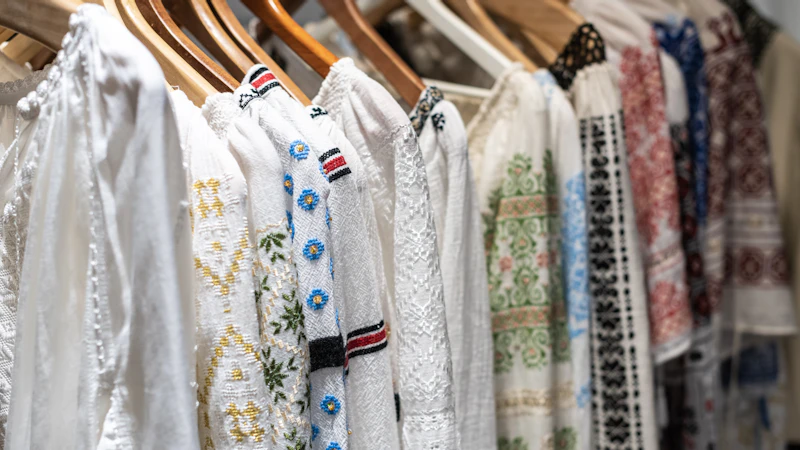
Digitising a brand archive for AI: scanning, tagging and rights
How to turn garments, textiles and paperwork into a searchable, usable archive, and which rights questions to settle before training or prompting anything on it.

Where humans stay in the loop: design sign-off in AI-assisted collections
Which design decisions should remain with people when AI tools generate and refine options, and how to record that sign-off so it holds up legally and commercially.
Lookalike and trademark checks for AI-generated designs: a checklist
A pre-release checklist for prints, graphics and campaign images made with generative tools, covering similarity, trade marks, watermarks, tool terms and records.
How to prepare product images and 3D files for AI tools: formats and naming
File formats, consistent images and identifiers that make visual assets usable by generative and 3D tools.

Why did Valentino's AI-generated DeVain campaign cause a backlash?
In December 2025 Valentino posted a clearly labelled AI-generated video for its DeVain bag and drew a wave of criticism. The episode shows that disclosure alone does not make AI imagery acceptable in luxury.

The Guess AI model ad in Vogue: what happened and what brands should learn
A Guess advert featuring an AI-generated model ran in Vogue US in August 2025 with a small disclosure line. The backlash, and new disclosure laws since, set out what brands now need to get right.

How does PUMA use generative AI for campaign imagery and product content?
PUMA uses Google's Imagen models to generate localised backgrounds and handle routine image editing for its online shop. The case shows where generative imagery works for a global brand and what it depends on.
Walmart's Trend-to-Product: how AI cut fashion development timelines
Walmart says its in-house Trend-to-Product tool can shorten apparel development by up to 18 weeks. Here is what the tool does, what is company-reported and what other retailers can learn.

Gap Inc. and Google Cloud: what a retailer-wide AI partnership covers
In October 2025 Gap Inc. signed a multi-year AI partnership with Google Cloud spanning design, pricing, marketing and employee workflows. Here is what was announced, what was not, and how it fits Gap's earlier AI work.

How Otto Group rolled out generative AI across its retail companies
Otto Group launched its in-house assistant ogGPT in 2023 and by late 2025 had more than 10,000 monthly active users. How the rollout was organised, governed and supported, and what it has not yet shown.

How does Myntra use generative AI? From MyFashionGPT to AI sizing and try-on
India's Myntra launched a ChatGPT-based shopping assistant in 2023 and has since added AI sizing, try-on and seller tools. What it has published, what is still piloting, and the lessons.
How does ThredUp use AI to list and sell second-hand fashion at scale?
ThredUp uses AI to describe and measure items it processes, and natural-language search, image search and a style chat to help shoppers find them. What it has published, and the lessons for resale.

Do AI-generated fashion images need a label? The AI Act transparency rules
Article 50 of the AI Act requires chatbot disclosure, machine-readable marking and deepfake labels from August 2026. What it means for campaigns, product imagery and virtual models.

Generative design tools for fashion compared: image, pattern and 3D in 2026
Image generators, print tools, pattern software and 3D simulation do very different jobs. A sober comparison of what each category delivers in a fashion design studio, and where human expertise still decides.

Can brands safely use generative AI on their own design archives?
Using an archive with generative AI raises two questions: what the base model was trained on, and what rights the brand holds in its own material. Where law and contracts stand in 2026.

How to fine-tune an image model on your brand archive
Fine-tuning teaches an image model a brand's prints, silhouettes and visual codes. A step-by-step guide to data preparation, method choice, licensing checks and evaluation, with realistic expectations.

AI dupes and design copying: how brands protect prints and silhouettes in 2026
AI makes it faster to spot, imitate and list look-alike products. What the 2025 EU design reform, recent copying disputes and copyright rules on AI mean for protecting prints and silhouettes.
Can AI generate tech packs? What works from sketch to specification
AI can now draft parts of a tech pack from drawings and product data, but construction, fit and factory detail still need technical designers. A practical guide to what to automate and what to keep human.

AI for prints and repeats: a workflow from prompt to production file
Generative AI can produce motifs and seamless patterns in seconds, but a print is only usable once scale, repeat, colours and rights are under control. A step-by-step workflow for textile print teams.

Rules for generative AI in the design studio: a governance checklist
Design teams already use generative AI, often without agreed rules. A practical governance checklist covering approved tools, data, IP, disclosure, training and accountability for fashion design studios.
How to use AI meeting notes to turn buying appointments into orders
AI notetakers can capture what a buyer asked for, draft the follow-up and update the CRM. A practical guide for wholesale reps, including consent, accuracy and data rules.
Google AI try-on and Doppl: what search-native try-on means for fashion brands
Google moved virtual try-on from a Labs experiment into Search and Shopping in little over a year, then closed its standalone Doppl app. What happened, and what it means for brands.

How to use AI to read supplier audit reports and certificates
Compliance teams drown in audit PDFs, certificates and questionnaires. A step-by-step guide to automating supplier document checks with AI, without outsourcing judgement to a model.

ChatGPT Enterprise, Copilot or Gemini: which AI assistant suits a fashion company?
Choosing a general AI assistant depends less on model quality than on your office suite, data location, admin controls and the work your teams do. A neutral decision guide for fashion businesses.

What is a large language model? LLMs explained for fashion professionals
Large language models power chat assistants, product copy tools and AI shopping advisers. A plain explanation of how they work, what they do well in fashion, and where they fail.

What is RAG? How AI answers questions from your product and order data
Retrieval-augmented generation lets an AI assistant look up your catalogue, price lists and orders before it answers. How it works, what data it needs, and where it goes wrong.
What is AI in fashion? A complete guide to AI across the fashion value chain
From design and planning to wholesale, supply chain and e-commerce: what artificial intelligence really does in fashion today, what data it needs and where its limits are.

Fashion technology trends 2026: what is real and what is hype
AI shopping assistants, agentic checkout, virtual try-on and enterprise agents: a sober look at which fashion technology trends are delivering in 2026 and which are still mostly promise.
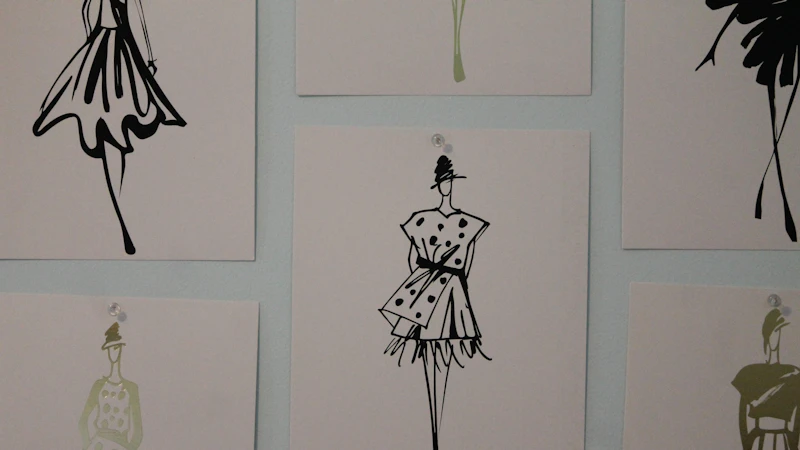
AI in fashion design: how design teams actually use it
Generative AI has moved into the design studio, but mostly as a fast sketchpad and visualisation tool. Here is where it helps designers, where it falls short and what teams need before they rely on it.

AI in fashion product development: from brief to sample
AI is reshaping the steps between a collection brief and the first approved sample: research, concepts, digital prototypes and range decisions. What works, what data it needs and where people stay in charge.
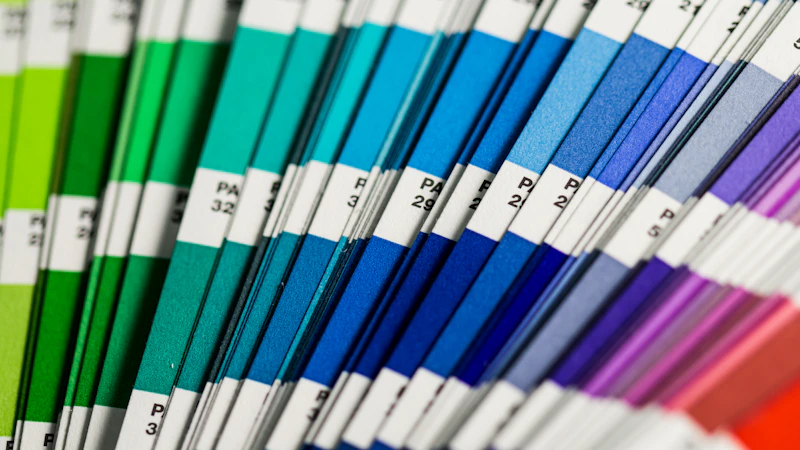
How is AI used for colour, prints and materials in fashion?
From AI palette tools to generated prints and AI-assisted fibre research, colour and materials work is changing. A sober look at what is in use, what is still experimental and what data it depends on.
Who owns an AI-generated fashion design? Copyright and IP explained
Courts and copyright offices agree on one point: protection needs a human author. What that means for prints, sketches and garments made with AI tools, and how fashion brands can protect their work.
AI for fashion product data: attributes, tech packs and enrichment at scale
Webshops, marketplaces, wholesale partners and AI shopping assistants all depend on complete product data. How AI extracts attributes, writes descriptions and checks records, and where humans stay in the loop.
How can AI automate order capture from emails, PDFs and spreadsheets?
Many wholesale orders still arrive as attachments that someone retypes. AI can read and structure them, but size grids, product matching and validation decide whether it works.
What can conversational AI assistants do for B2B fashion buyers?
Assistants that answer questions on availability, order status and terms are arriving in B2B portals. What they can do, what they must be connected to and where caution is needed.

How are fashion brands using AI in marketing, from content to measurement?
Generative AI has cut the time and cost of campaign content for some retailers, but brand control, rights and disclosure rules decide whether it works. A guide to the main uses and their limits.
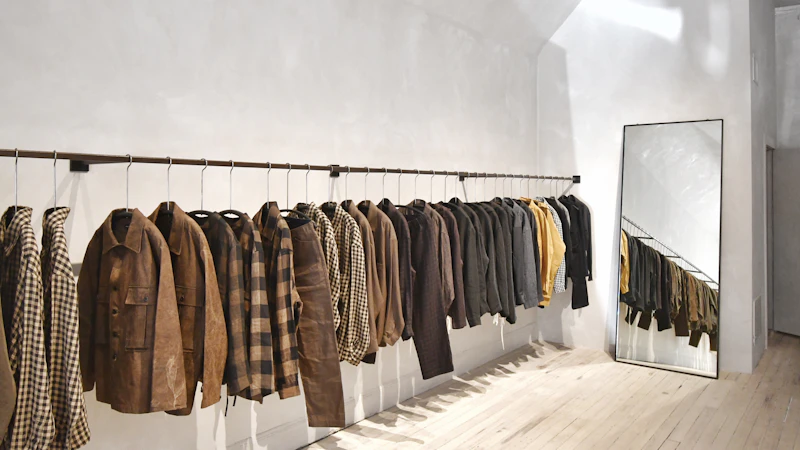
Virtual try-on in fashion: how does it work and does it reduce returns?
Generative AI can now show a garment on a photo of the shopper. That helps with style decisions, but fit and size are a different problem. What the technology does, what it needs and what the evidence says.
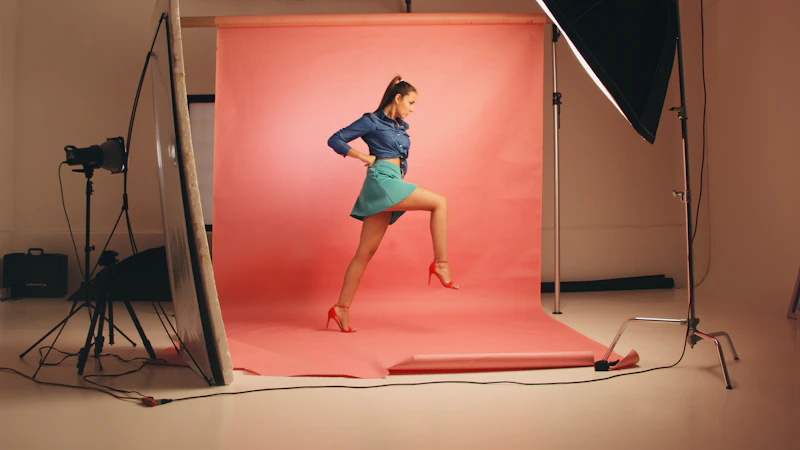
AI-generated models in fashion: what are the ethics and disclosure rules?
Digital twins and fully synthetic models promise faster, cheaper imagery. Consent, pay, disclosure and audience trust now shape how brands can use them, and new rules in New York and the EU raise the bar.

How is AI search changing the way shoppers find fashion?
Shoppers now describe what they want to chatbots and AI search engines instead of typing keywords. How conversational shopping works, what the early evidence shows and what it means for fashion brands and retailers.
How is AI used in fashion customer service, and where does it fail?
AI chatbots and agent assistants can answer order, return and sizing questions around the clock. Customers still want a human when it matters, and companies stay liable for what their bots say.

What is GEO, and how can fashion brands be found in AI search?
Generative engine optimisation aims to make a brand's products and content visible in AI-generated answers. What the research and the platforms actually say, and what fashion brands can do now.

Is fashion AI biased? Sizes, skin tones and fairness explained
From virtual models to size recommendations, fashion AI can reproduce narrow beauty norms. Where bias comes from, what research shows and how brands can test their systems.
How Zalando uses AI: the assistant, personalisation and size advice
Zalando has put AI into search, discovery and fit. What it built, how the data and models fit together, which results it has published and what remains unproven.
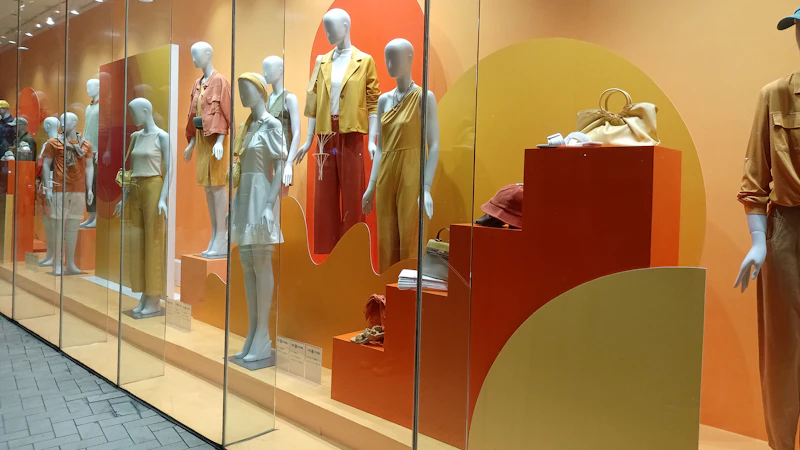
How H&M uses AI: demand, allocation and digital twins
H&M has applied analytics and AI to buying quantities, store allocation and pricing since 2018, and to campaign imagery since 2025. What is documented, and what it has not disclosed.
How Nike uses AI: direct-to-consumer data and generative product creation
From demand sensing for its own channels to AI-generated footwear concepts and an AI shopping beta, what Nike has built, what it has disclosed and what changed under new leadership.
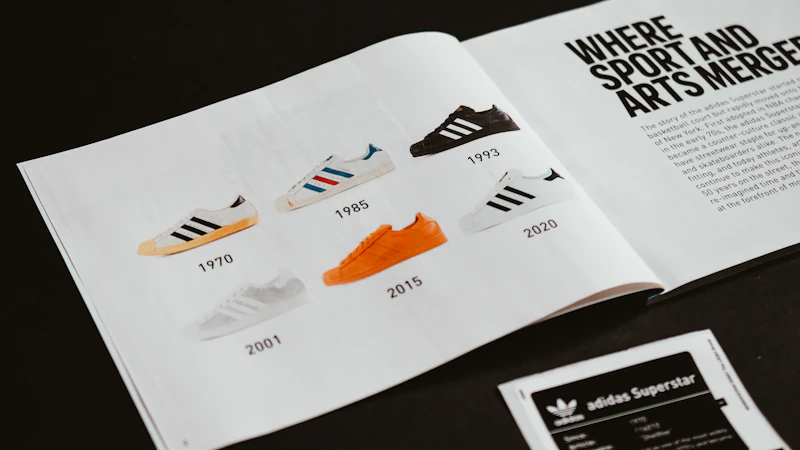
How adidas uses AI: from design archives to generative content
adidas has documented AI in footwear concepting, software engineering, review analysis and personalised campaigns. What it built, what results it reports and what it has not disclosed about planning.

How Ralph Lauren uses AI: Ask Ralph and the conversational shopping assistant
Ralph Lauren launched Ask Ralph, a conversational styling assistant built on Microsoft Azure OpenAI, in its US app in September 2025. What it does, what has been disclosed and what remains open.
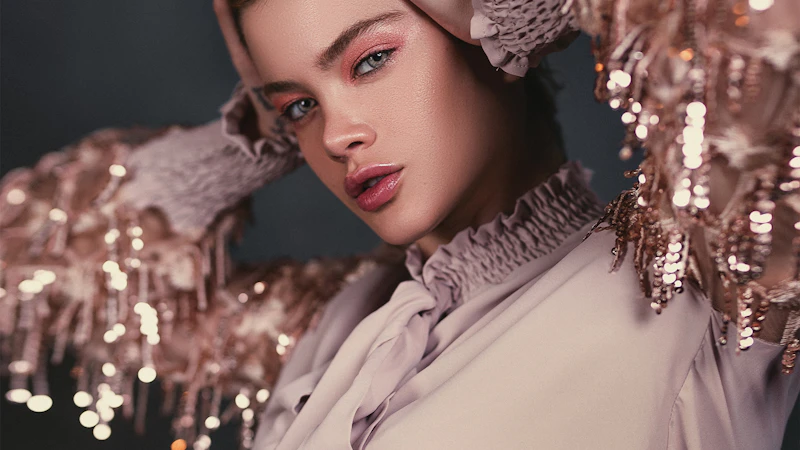
How Mango uses AI: generative design, virtual models and Mango Stylist
Mango has built more than 15 machine learning platforms since 2018, from the internal Lisa tool to AI-generated campaign models and the Mango Stylist assistant. What is documented and what is not.
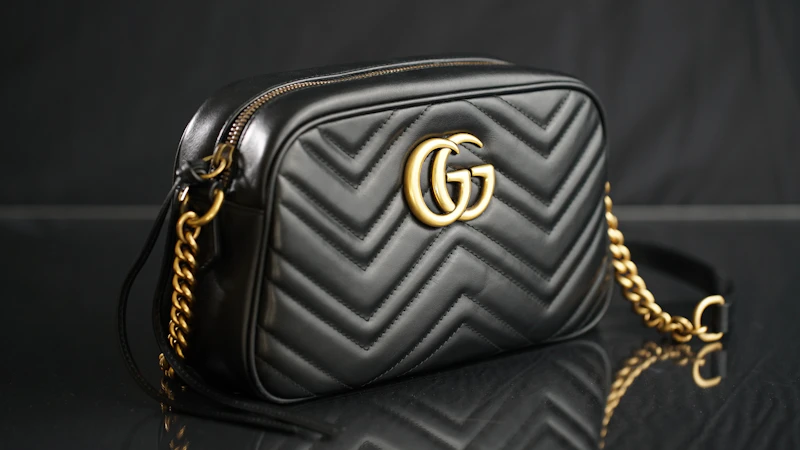
How Kering uses AI: luxury clienteling and conversational commerce
From Gucci's generative AI pilot in client service to the Madeline shopping assistant and an AI-powered unified client base announced in 2026: what Kering has built and disclosed.
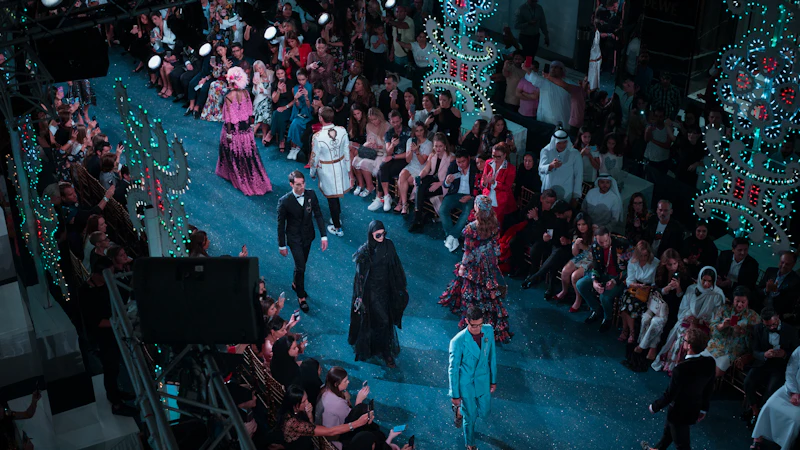
AI in fashion: the September 2026 review
Meta's Muse agent, Amazon's block, Shopify's agent checkout, AI replenishment at Macy's and Zalando's AI imagery: the verified AI news for fashion from September 2026.

AI for fashion designers: tools, workflows and limits
How fashion designers use generative AI for research, moodboards, colour, prints and early concepts, where it falls short on construction and fit, and what copyright and labelling rules mean.

AI agents explained for fashion executives
AI agents can plan steps and use tools rather than just answer questions. What that means in practice for fashion companies, which tasks suit them and which controls must come first.
AI for product descriptions and content: a quality checklist
Generative AI can draft product copy, translations and attributes at scale. Without a quality process it also produces errors, bland text and compliance risks. A checklist for content teams.

Generative AI in fashion design: useful tool or distraction?
Image generators can produce mood boards and print ideas in seconds. Whether they improve design depends on where they sit in the process, and on how brands handle originality and rights.
AI governance for fashion companies: a pragmatic starting point
Staff are already using AI tools, with or without a policy. A lean governance framework for fashion companies: what to allow, what to control, and who decides.
The AI vocabulary every fashion buyer should know
Suppliers, brands and internal teams increasingly talk about models, agents and embeddings. A practical glossary for fashion buyers, with what each term means for buying decisions.