Wholesale
How Kontoor Brands (Wrangler, Lee) runs wholesale and planning: what it discloses
Wholesale is Kontoor's largest channel, planned through regional control functions and ERP. Its filings mention AI only as a risk and name no digital showroom.
How Bestseller approaches technology across its brands: what is public
Bestseller has published its investments in automation and materials, but little on digital B2B tools or AI. Here is what is documented about a multi-brand wholesale group.

Will AI agents place wholesale orders? Scenarios for B2B fashion buyers
Forecasts say AI agents will intermediate large volumes of B2B buying. For fashion wholesale, where orders are seasonal and relationship-led, the realistic path is narrower and slower.

Retailer data in wholesale AI: what contracts allow and what they do not
Order histories, sell-out figures and buyer contacts are valuable inputs for AI, but the right to use them depends on contracts, data protection law and, increasingly, the EU Data Act.

AI for delivery windows: matching drops to retailer floor-space and cash
Delivery timing is a negotiation between brand production and retailer space and cash. AI can model both sides, but only where the underlying data is clean.

How to schedule buyer appointments with AI during market weeks
Market-week diaries are a constrained scheduling problem. Here is how AI can help plan them, what data it needs and where humans must stay in charge.
How to catch price list errors before they reach buyers, with AI checks
Price list mistakes damage buyer trust and margin. Rule-based checks catch most of them, and AI adds anomaly detection and plain-language review on top.

A 90-day AI pilot in wholesale: scope, metrics and exit criteria
A practical plan for a time-boxed AI pilot in a wholesale business, with a defined scope, measurable targets and agreed conditions for stopping or scaling.
What retail buyers want from brand AI tools: a buyer-side view
Brands are adding AI to wholesale, but buyers judge it by speed, data quality and trust. This analysis sets out what the available evidence suggests buyers want.
End-of-season clearance with AI: channels, timing and brand protection
AI can model markdown depth, timing and channel choice before a season ends, but clearance still depends on clean stock data, pricing rules and decisions about brand value.

Cash-flow forecasting with AI for wholesale-heavy brands
Wholesale brands tie up cash in stock and receivables for months. AI can improve timing forecasts, but customer payment behaviour is the hardest input to predict.

How do you separate real AI from marketing in wholesale platforms?
Almost every B2B ordering platform now advertises AI. A buyer can test those claims with specific questions about data, behaviour, evidence and cost, and by asking for a demonstration on its own data.

Line sheets, lookbooks and order forms: what buyers actually use
Three documents, three jobs: a lookbook sells the mood, a line sheet carries the facts, an order form turns interest into a commitment.

How to set up retailer-specific assortments and price tiers in a B2B portal
Which products a retailer sees, at which price and in which quantities: the building blocks and the traps.
Market week preparation: a checklist for data, samples and digital tools
What to have ready before buyers arrive: commercial terms, product data, samples, appointments and the digital layer.
How did PVH and Tommy Hilfiger digitise wholesale with showrooms, 3D and data?
Tommy Hilfiger opened a digital showroom for wholesale buyers in 2015 and moved apparel design into 3D. The case shows what a digital sell-in process needs before AI can add value.

GEO for B2B: how do wholesale fashion brands get found by retail buyers using AI?
Store buyers increasingly research new labels with AI assistants before they visit a trade fair or showroom. Wholesale brands need public, factual information that those assistants can find and cite.

AI for fashion product data: attributes, tech packs and enrichment at scale
Webshops, marketplaces, wholesale partners and AI shopping assistants all depend on complete product data. How AI extracts attributes, writes descriptions and checks records, and where humans stay in the loop.

Why is sell-out data essential for AI in fashion wholesale?
Brands that sell through retailers see what they ship, not what consumers buy. Sell-out data closes that gap, and without it most AI forecasting for wholesale works half blind.

AI in B2B fashion wholesale: the complete guide
Where artificial intelligence creates real value between brands and retail partners, what data it needs, how buyers already use it and where the limits are.

What makes a wholesale business AI-ready?
AI readiness in fashion wholesale is less about algorithms than about structured product, order and partner data, clear ownership and processes that capture why buyers decide.
How do AI re-order prediction and automated replenishment work for retailers?
Re-orders cover styles that have already proven themselves. AI can suggest or trigger them before a retail partner runs out, if sell-out and stock data are shared.

How can AI help fashion sales reps prepare, sell and follow up?
From account briefings to appointment notes and re-order nudges: what AI can take off a wholesale rep's desk, what buyers still expect from a person, and the risks.

How does AI change the digital showroom in fashion wholesale?
Digital showrooms moved collections onto screens. AI adds personalised pre-selections, natural-language search, generated imagery and behavioural insight, with new limits to manage.

How does AI customer segmentation work for wholesale accounts?
Static A, B and C tiers miss how retail partners actually behave. AI segmentation groups accounts by buying patterns and potential, if the data and governance are right.

How can AI automate order capture from emails, PDFs and spreadsheets?
Many wholesale orders still arrive as attachments that someone retypes. AI can read and structure them, but size grids, product matching and validation decide whether it works.
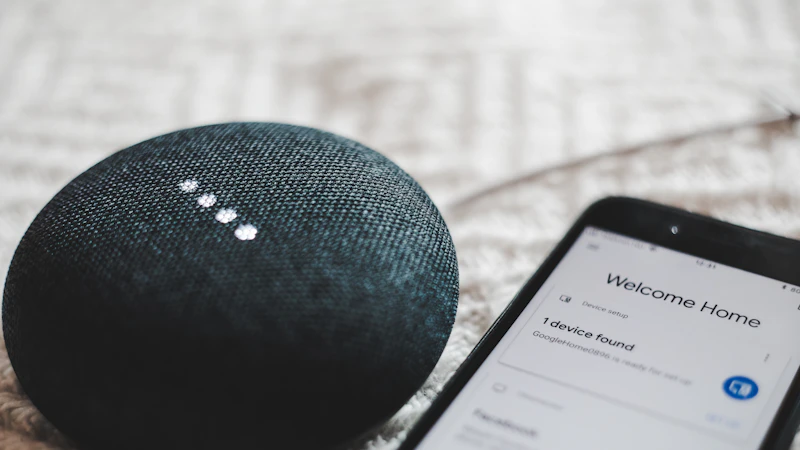
What can conversational AI assistants do for B2B fashion buyers?
Assistants that answer questions on availability, order status and terms are arriving in B2B portals. What they can do, what they must be connected to and where caution is needed.
How can AI help fashion brands prepare for the Digital Product Passport?
The EU Digital Product Passport turns product data into a regulated deliverable. AI can help collect, check and structure that data, but it cannot invent what suppliers never recorded.

AI for wholesale sales teams and key account managers
How AI helps fashion wholesale reps and key account managers prepare appointments, build retailer assortments, read sell-out data and handle re-orders, plus what buyers still expect from people.
AI in mid-market and wholesale-led fashion brands: where to start
Mid-market brands that sell mainly through retail partners have less data and smaller teams than the giants. AI still pays off, if it targets order-taking, product data and sell-through insight.

What is fashion wholesale? How brands sell collections to retailers
Wholesale is the business of selling a collection to other businesses before the consumer ever sees it. Here is how the model works, who buys, and why it still anchors many fashion brands.

Pre-order vs re-order: the two rhythms of the fashion order book
Pre-orders set the shape of a season; re-orders react to how it is actually selling. Understanding both is essential for planning stock, cash and production.

How a wholesale season works, from line release to delivery
A fashion wholesale season is a long chain of dependent steps. This guide walks through each stage, who is involved and where things typically go wrong.
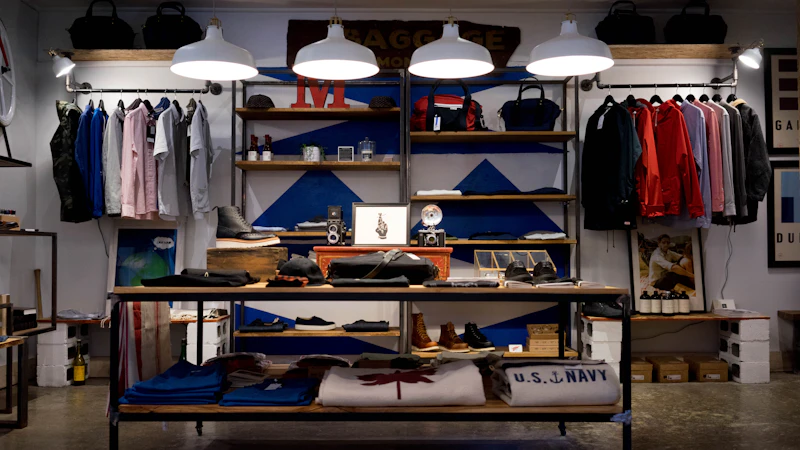
Sell-in vs sell-through: the two numbers every brand should watch
Sell-in tells a brand what retailers bought. Sell-through tells it what consumers actually took home. Reading the two together reveals the true health of a wholesale business.

Replenishment in fashion: how never-out-of-stock programmes work
Never-out-of-stock programmes keep core products permanently available to retailers. They look simple from the shop floor, but depend on disciplined planning, stock and data.

What a good B2B ordering portal needs: a practical checklist
A B2B ordering portal should make it easier for retailers to buy than to pick up the phone. This checklist covers the features and foundations that make the difference.

Digital showrooms explained: what they are and when they work
A digital showroom presents a collection to buyers on screen instead of on a rail. It can widen reach and speed up decisions, but it does not replace every physical appointment.

Sales apps for fashion field reps: what matters on the road
Field reps sell in stockrooms, trade fair stands and hotel suites, often with poor connectivity. A sales app has to work there first, and look good second.
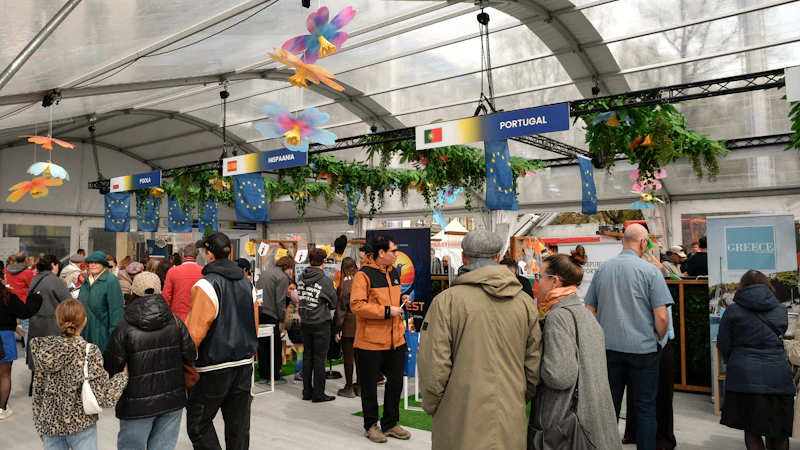
Why trade fairs still matter in a digital wholesale world
Digital tools now handle much of what fairs once did, from presenting collections to writing orders. Yet the fair floor still does jobs that a screen struggles to replicate.

Order minimums, payment terms and delivery windows explained
The commercial terms behind a wholesale order shape cash flow, risk and the relationship on both sides. Here is how minimums, payment terms and delivery windows work in fashion.

Key account management in fashion wholesale: a practical guide
A handful of large retail partners often drive a disproportionate share of a brand's wholesale business. Managing them well takes structure, data and senior attention.

The wholesale KPIs that actually matter
Wholesale teams can measure almost anything. The useful KPIs are the ones that explain revenue quality, account health and execution, and that lead to a decision.
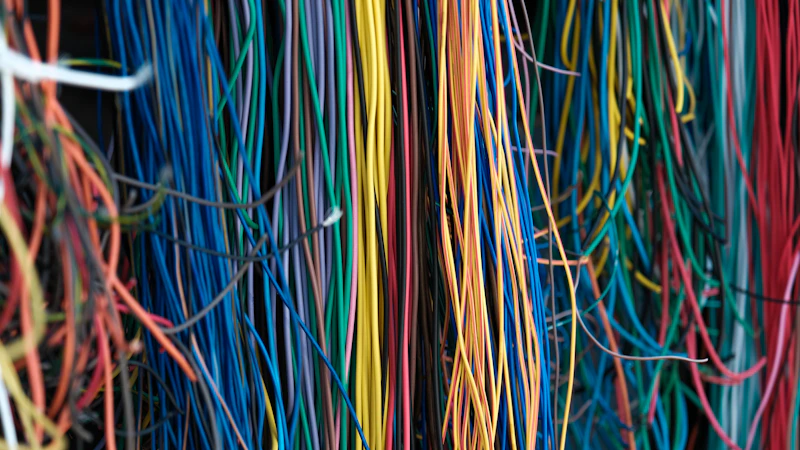
How integrations connect brands and retailers: EDI, APIs and files
Orders, product data, stock and invoices flow between brands and retailers through three main routes. A practical guide to choosing and running each one.
EDI in fashion: the old standard that still moves orders
Electronic data interchange has connected brands and retailers for decades. Here is how EDI works in fashion wholesale, which messages matter and how to get onboarded smoothly.

Where AI fits in fashion wholesale today
AI is already useful in wholesale, but mostly in narrow, data-rich tasks. A sober map of where it helps sales, buying and operations, and where human judgement still decides.

Using AI in assortment planning without losing the brand
AI can sharpen depth, breadth and size decisions in assortment planning. The risk is a range that drifts towards safe averages. How to use the tools while keeping the brand's point of view.

AI recommendations in B2B sales: from co-purchase lists to next best action
Recommendation engines are moving from simple co-purchase lists to account-specific suggestions for sales reps and buyers. How the main approaches work and what makes them trusted in fashion wholesale.

AI and pricing: markdown optimisation explained
Markdown optimisation uses demand models to decide when and how deeply to discount. How it works, what it needs, and why brand and wholesale relationships must set its limits.
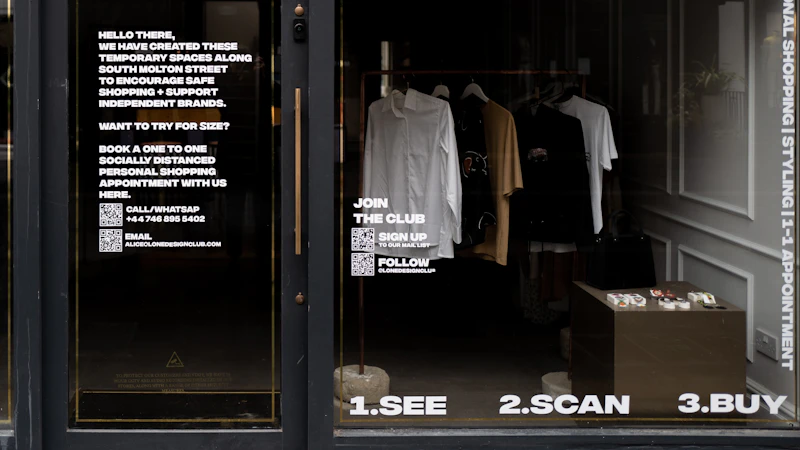
What independent fashion retailers need from their brand partners
Independent boutiques buy with tight budgets and small teams. Brands that make buying easy, share risk in season and protect full-price selling keep them.
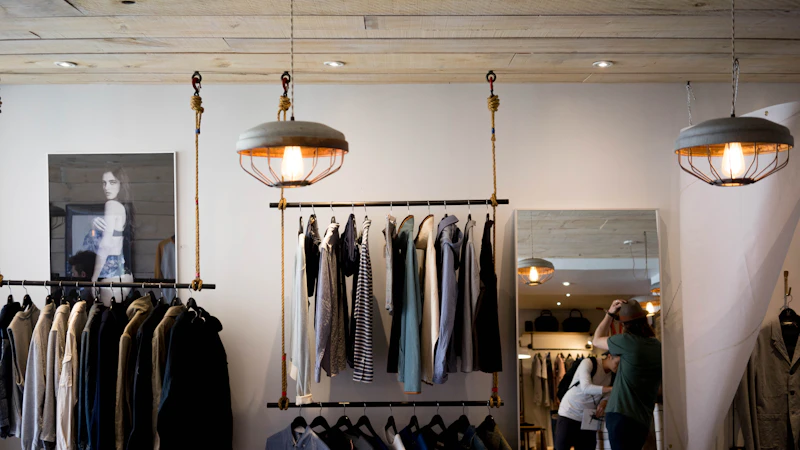
Concession, consignment and wholesale: the three models compared
Who owns the stock, sets the price and carries the markdown risk depends on the commercial model. How wholesale, consignment and concessions differ.

How the department store model works, and why it is changing
Department stores are part merchant, part landlord. How their model makes money, why it came under pressure and what brands should ask of them now.
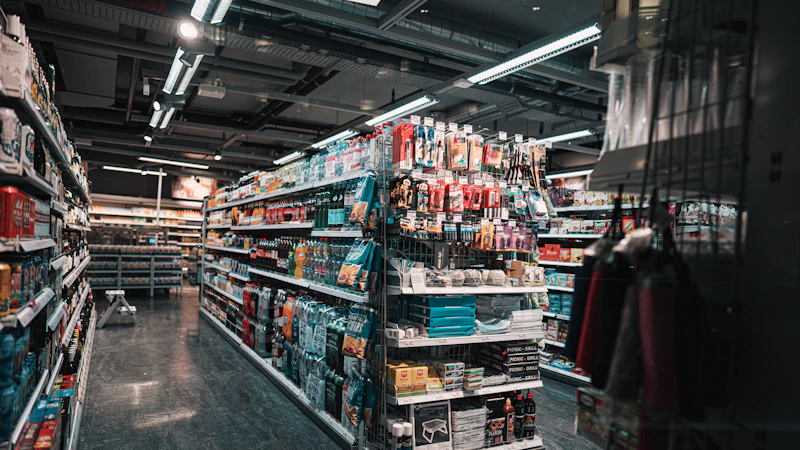
Retail metrics explained: sell-through, GMROI and weeks of cover
Three metrics answer most questions about how fashion stock is performing. How to calculate sell-through, GMROI and weeks of cover, and read them together.

The main business models in fashion, explained
Wholesale, direct-to-consumer, licensing, private label and more: how each fashion business model makes money, where the risk sits and why most brands run several at once.

Direct-to-consumer vs wholesale: rethinking the channel mix
The promise of DTC was higher margin and direct customer data. The reality includes acquisition costs, inventory risk and returns. Why the smart answer is usually a deliberate balance.
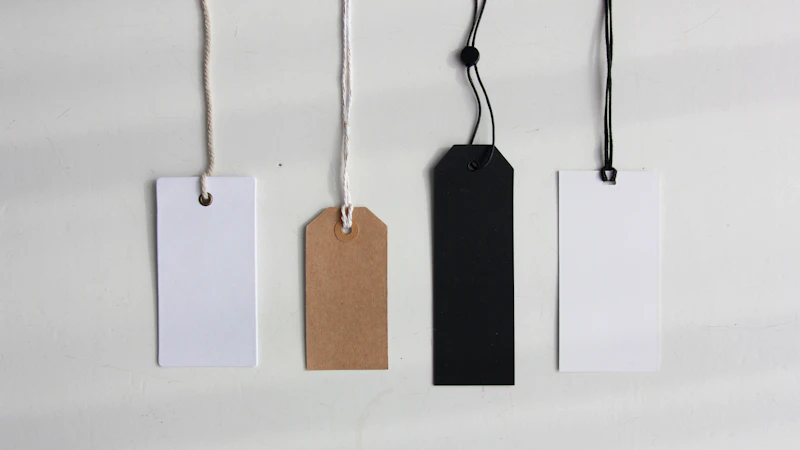
How margins work in fashion, from factory to shop floor
From the factory cost to the price on the swing tag: how landed cost, wholesale markup and retail markup combine, and why markdowns decide what margin is really earned.
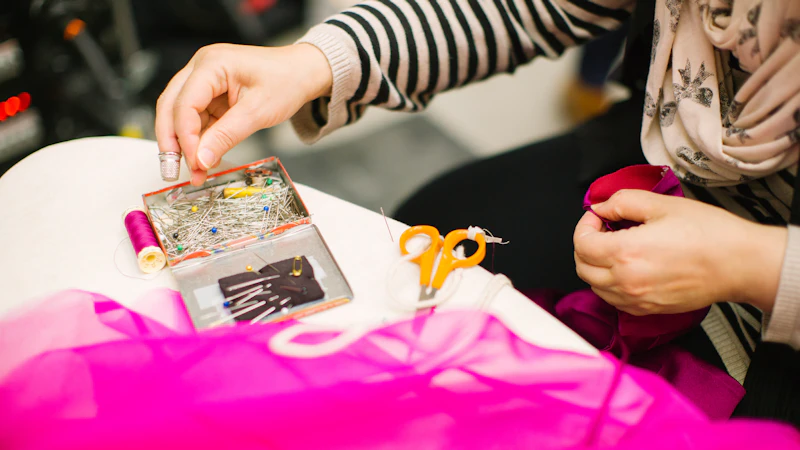
Seasonality and cash flow in fashion businesses
Fashion brands pay for fabric months before they are paid for garments. How the seasonal cash cycle works, where the pressure points are and how finance teams manage them.

Expanding a fashion brand internationally through wholesale
Wholesale is often the lowest-risk route into new markets. A practical guide to choosing markets, structuring sales, pricing across currencies and supporting retailers abroad.
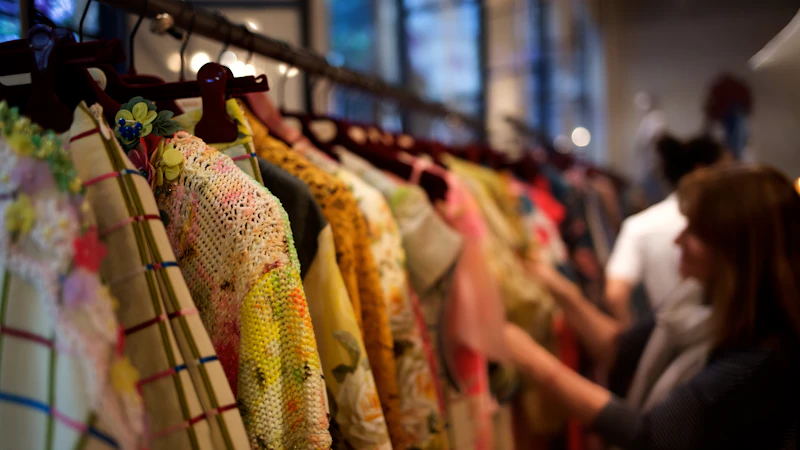
Agents, distributors and showrooms: who sells a brand abroad
Commission agents, distributors and multi-brand showrooms all open doors for fashion brands in foreign markets. How each model works, what it costs and what to put in the contract.

Pricing architecture: wholesale price, RRP and currency price lists
How fashion brands structure price points, wholesale prices, recommended retail prices and currency lists into one coherent system that retailers trust and finance can defend.

Sharing sustainability data with retail partners: a practical guide
Retailers increasingly ask brands for material, origin and certification data per product. What they need, how to structure it and how to keep claims consistent across channels.