Case studies
How leading fashion companies use AI: documented deployments, reported results and the lessons for everyone else.

How Burberry uses data and AI across clienteling, design and the supply chain
Burberry has built customer models for its client advisors and talked publicly about predictive inventory and traceability pilots. This case study separates what has been published from what has not.

How Prada Group applies digital tools and AI to product development and clienteling
Prada Group's public AI footprint is mostly in planning and customer data platforms, not design. A sober look at what the group and its vendors have actually said.
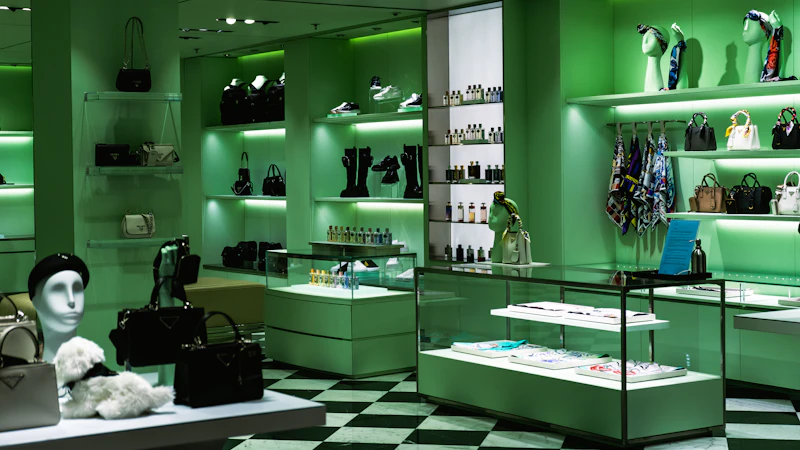
How Mytheresa uses data and personalisation to serve its top luxury clients
Mytheresa has used predictive models since 2017 to find future high-value customers, while keeping buying human-led. What is published, and what AI is not doing there.
How Farfetch used AI for personalisation and marketplace operations
Farfetch built an in-house recommendation engine and partnered with AI vendors and a styling service. A look at what was published, from 2017 to 2023, and the limits of the evidence.
How YOOX NET-A-PORTER uses AI for product content, merchandising and clienteling
From the 2018 YooxMirror avatar styling app to a virtual stylist and group-wide recommendation, search and copy tools: what YNAP and parent LuxExperience have published about AI.

How Ganni uses AI and data: sustainability, resale and an AI-themed runway show
Ganni has published a sustainability strategy, a resale and repair programme and an AI-themed fashion show. Public sources do not show demand-planning AI, and this case study says so.

How Breuninger uses AI in personalisation and omnichannel retail
Breuninger's data science team built an AI photo retouching tool that became a start-up, and its omnichannel services are well ranked. Public evidence for AI personalisation is thin.

How lululemon approaches AI in product, planning and inventory
lululemon has named a chief AI and technology officer and set a new-style target, but has published few details on AI in planning. Here is what is on record.
How VF Corporation uses AI and data across its outdoor and lifestyle brands
VF's annual report cites AI-powered inventory planning inside a wider turnaround, and its CEO calls AI transformative but hyped. What is documented, and what is not.

What Columbia Sportswear has disclosed about AI, planning and supply chain
Columbia has not published AI deployments, but its annual reports describe how it plans demand, relies on cloud planning tools and treats AI as a technology risk.
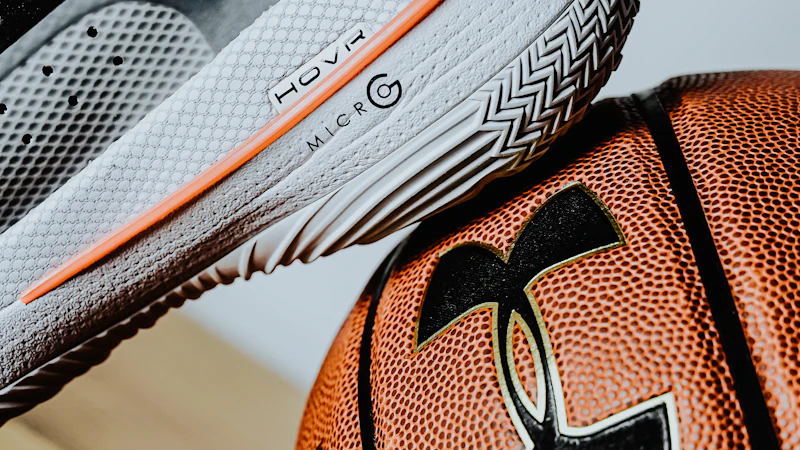
How Under Armour uses data, AI and 3D in product creation and consumer insight
Under Armour has described social listening, connected-shoe data and 3D printing in the past, and now cites AI mainly as a risk. What is documented, and what is not.
How Kontoor Brands (Wrangler, Lee) runs wholesale and planning: what it discloses
Wholesale is Kontoor's largest channel, planned through regional control functions and ERP. Its filings mention AI only as a risk and name no digital showroom.
How Bestseller approaches technology across its brands: what is public
Bestseller has published its investments in automation and materials, but little on digital B2B tools or AI. Here is what is documented about a multi-brand wholesale group.
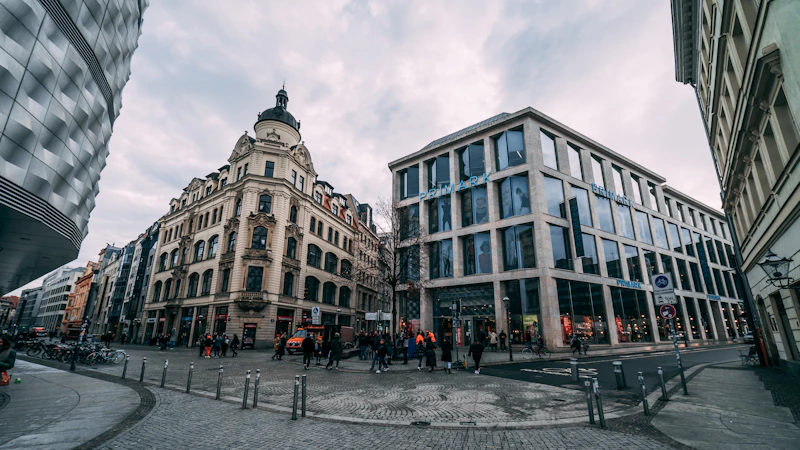
How Primark builds supply chain data: traceability, planning and AI claims
Primark has described a supplier traceability programme built on purchase-order data. It has not published AI in range planning, so this case separates data from AI.

How Pandora uses generative AI in advertising, and what is known about design
A Microsoft Advertising case study describes Pandora using generative AI to create and test ad variations. Pandora's own design messaging stays centred on craft.
How Vinted uses AI in search and recommendations for second-hand fashion
Vinted's engineering team has published detailed accounts of its search, autocomplete and recommendation systems. This case study sets out what is documented, what the results were and what other marketplaces can learn.
How bonprix uses AI for assortment, product ranking and pricing
The German online fashion retailer has published how it uses machine learning to cull weak styles, rank products daily and advise on size. Here is what is documented, and what is not.
How Reformation tracks the footprint of every product with RefScale
Reformation measures the carbon and water footprint of each garment with an internal life cycle tool. This case study explains what RefScale covers, how it is verified and where AI does and does not fit.
How Abercrombie and Fitch plans assortments and inventory: what is public on AI
Abercrombie and Fitch talks about AI sparingly, but its Read and React model, ERP replacement and inventory discipline show how a data-led planner works. A sober look at what is documented.

How American Eagle Outfitters positions AI: Aerie's pledge against generated bodies
American Eagle's most visible AI statement is a refusal: its Aerie brand pledged no AI-generated bodies or people. A case study of a retailer using AI policy as brand strategy, and what is not public.

How Macy's uses data and AI to reshape its omnichannel business
Macy's says it has 35 AI use cases and pilots across supply chain, merchandising and service. This case study sets out what the company has reported, the guardrails it describes and what is still unmeasured.

How Target uses AI in inventory, store tools and shopping assistants
Target has described generative AI tools for guests and store teams, a ChatGPT app and a data-science inventory system covering about 2,000 stores. A case study of what is published, with limits.

How Lands' End uses virtual model and AI fit tools, and what is known about returns
Lands' End has used virtual model technology since 2001 and now offers AI fit guidance in conversational shopping. A case study of the published claims, with the evidence on returns assessed.
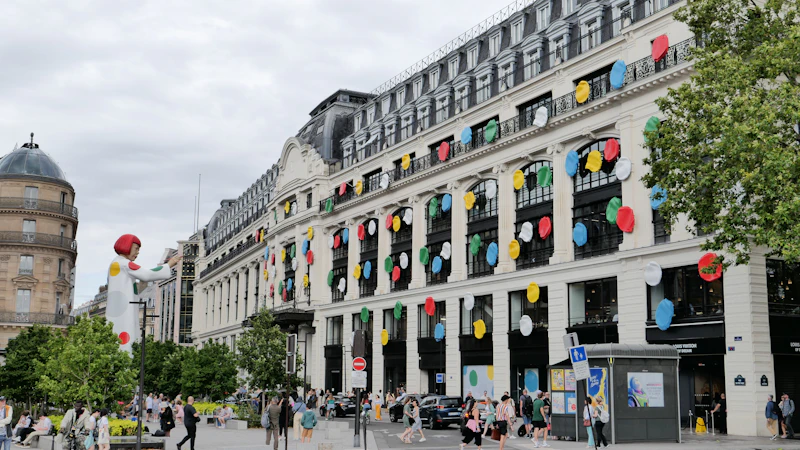
How does LVMH organise AI? The AI Factory, maison agents and the Innovation Award
LVMH runs AI as shared group infrastructure with maison-level control: a central data and AI team, internal assistants, clienteling agents and a startup award that feeds the pipeline.

How does Moncler use data and AI in design, clienteling and supply chain?
Moncler's public record shows AI first in planning, quality control and replenishment, then in clienteling tools and a redesigned website. What it discloses, and what it does not, is instructive.
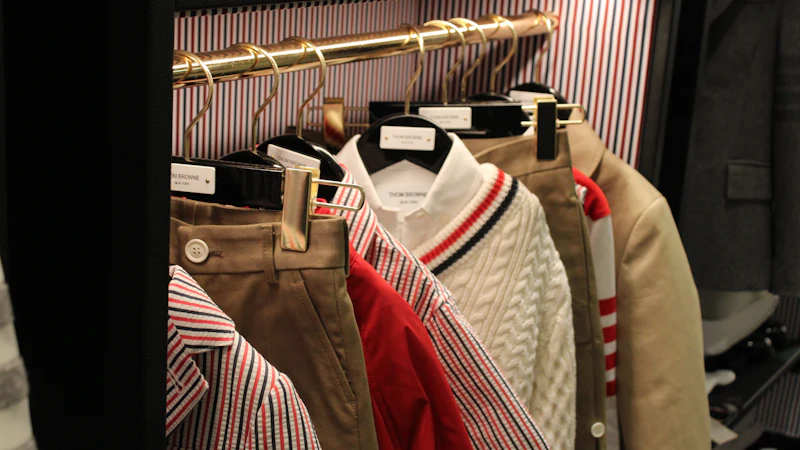
How did PVH and Tommy Hilfiger digitise wholesale with showrooms, 3D and data?
Tommy Hilfiger opened a digital showroom for wholesale buyers in 2015 and moved apparel design into 3D. The case shows what a digital sell-in process needs before AI can add value.
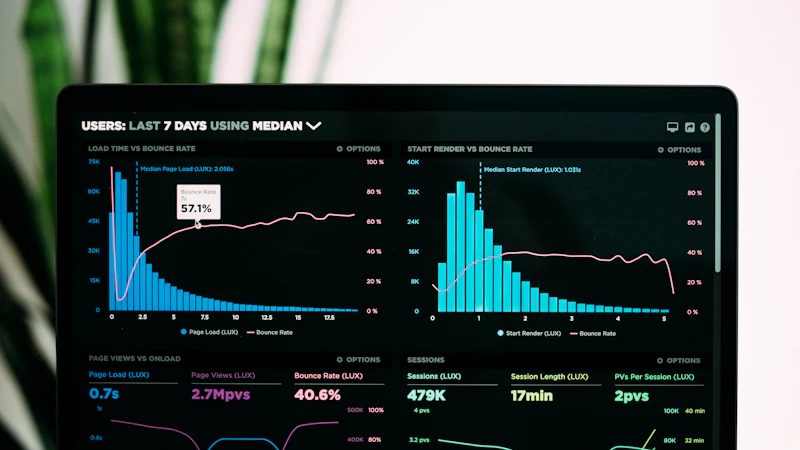
How does Tapestry use data and AI for demand planning and personalisation at Coach?
Tapestry, owner of Coach and Kate Spade, built a shared data layer, used AI to forecast demand and position inventory, and now runs an in-house generative AI system called Mira for planners and merchants.

Why did Valentino's AI-generated DeVain campaign cause a backlash?
In December 2025 Valentino posted a clearly labelled AI-generated video for its DeVain bag and drew a wave of criticism. The episode shows that disclosure alone does not make AI imagery acceptable in luxury.

The Guess AI model ad in Vogue: what happened and what brands should learn
A Guess advert featuring an AI-generated model ran in Vogue US in August 2025 with a small disclosure line. The backlash, and new disclosure laws since, set out what brands now need to get right.
How does Saks use AI agents in customer service and personal shopping?
Saks set out a plan in 2024 to let AI agents handle routine service requests and to give advisors AI recommendations from a unified customer profile. Here is what was announced, what is known and what is not.

How does PUMA use generative AI for campaign imagery and product content?
PUMA uses Google's Imagen models to generate localised backgrounds and handle routine image editing for its online shop. The case shows where generative imagery works for a global brand and what it depends on.

Walmart's Trend-to-Product: how AI cut fashion development timelines
Walmart says its in-house Trend-to-Product tool can shorten apparel development by up to 18 weeks. Here is what the tool does, what is company-reported and what other retailers can learn.

Gap Inc. and Google Cloud: what a retailer-wide AI partnership covers
In October 2025 Gap Inc. signed a multi-year AI partnership with Google Cloud spanning design, pricing, marketing and employee workflows. Here is what was announced, what was not, and how it fits Gap's earlier AI work.
How Marks & Spencer uses AI for style advice and product descriptions
M&S uses AI to personalise online fashion, power a body shape and style quiz and write most product descriptions, and in 2026 gave Copilot to 11,000 colleagues. What has been reported.
How Next plc turned its data and Total Platform into a growth engine
Next runs warehousing, websites and customer service for other brands through Total Platform, built on systems it develops in-house. Here is how the model works, what the numbers show and where AI now fits.
How Nordstrom uses AI for personalisation, search and stylists
Nordstrom's refreshed app blends generative AI with stylist content, learns from shopper behaviour and keeps a direct route to human stylists. What the retailer has announced, and what it has not.

How Decathlon uses AI for demand forecasting and supply planning
Decathlon forecasts weekly demand for up to 25,000 products per supply zone and has moved to a fine-tuned time series foundation model. What it published about accuracy, cost and the limits.

How Otto Group rolled out generative AI across its retail companies
Otto Group launched its in-house assistant ogGPT in 2023 and by late 2025 had more than 10,000 monthly active users. How the rollout was organised, governed and supported, and what it has not yet shown.
How Revolve uses data and algorithms to buy, price and reorder
Revolve tests styles in small quantities and uses a proprietary dashboard to decide what to reorder, with full-price selling at the centre. How the model works, where AI now fits, and what is not disclosed.
How does ASOS use AI? Outfit recommendations, the AI Stylist and ChatGPT
ASOS has moved from single-product recommendations to AI-generated outfits, an in-app AI Stylist and a shopping app inside ChatGPT. What it has published, and what other fashion retailers can learn.

How did ABOUT YOU and SCAYLE turn commerce technology into a B2B business?
SCAYLE began as the platform behind ABOUT YOU and is now a software unit inside Zalando's B2B business, adding AI content tools. What the published figures show and what brands should take from it.

How does Myntra use generative AI? From MyFashionGPT to AI sizing and try-on
India's Myntra launched a ChatGPT-based shopping assistant in 2023 and has since added AI sizing, try-on and seller tools. What it has published, what is still piloting, and the lessons.
How does Amazon Fashion use AI for size recommendations and fit insights?
Amazon combines deep-learning size advice, AI review summaries and a fit insights tool for brands, with a shopping assistant now called Alexa for Shopping. What it has published and what brands should do.
How does The RealReal use AI for authentication, pricing and intake?
The RealReal pairs human authenticators with image tools, prices most items algorithmically and is moving intake onto an AI system called Athena. What it has disclosed, and what the model means for resale.
How does ThredUp use AI to list and sell second-hand fashion at scale?
ThredUp uses AI to describe and measure items it processes, and natural-language search, image search and a style chat to help shoppers find them. What it has published, and the lessons for resale.

How does Rent the Runway use data and AI to manage a shared inventory?
Rent the Runway made its biggest-ever inventory bet in 2025, then turned to AI recommendations, search and outfit generation in 2026. What it has reported, and what rental teaches about inventory.
What is Alibaba's Accio, and what does an AI sourcing agent mean for fashion?
Accio, Alibaba.com's AI sourcing tool, passed 10 million monthly users in 2026 and now has an agent platform. How it works, what it cannot do yet, and what it changes for fashion buyers and suppliers.

Google AI try-on and Doppl: what search-native try-on means for fashion brands
Google moved virtual try-on from a Labs experiment into Search and Shopping in little over a year, then closed its standalone Doppl app. What happened, and what it means for brands.
How Zalando uses AI: the assistant, personalisation and size advice
Zalando has put AI into search, discovery and fit. What it built, how the data and models fit together, which results it has published and what remains unproven.
How H&M uses AI: demand, allocation and digital twins
H&M has applied analytics and AI to buying quantities, store allocation and pricing since 2018, and to campaign imagery since 2025. What is documented, and what it has not disclosed.

How Inditex uses AI and data: RFID and a demand-driven supply chain
Inditex's edge rests on item-level RFID data, integrated stock and production close to home. Where AI now enters, what results are public and what remains undisclosed.

How Nike uses AI: direct-to-consumer data and generative product creation
From demand sensing for its own channels to AI-generated footwear concepts and an AI shopping beta, what Nike has built, what it has disclosed and what changed under new leadership.
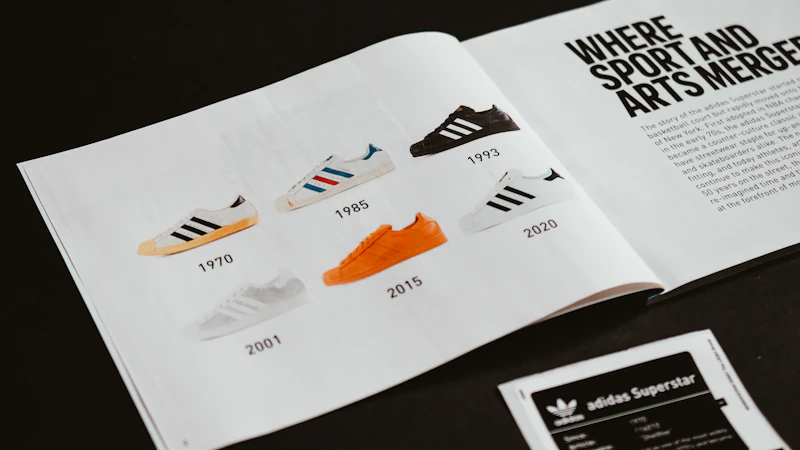
How adidas uses AI: from design archives to generative content
adidas has documented AI in footwear concepting, software engineering, review analysis and personalised campaigns. What it built, what results it reports and what it has not disclosed about planning.

How Levi Strauss & Co. uses AI: the data programme and its lessons
Levi Strauss & Co. trained its own staff in machine learning, stumbled with AI models in 2023 and is now rolling out agents for employees and shoppers. What the programme shows.

How Ralph Lauren uses AI: Ask Ralph and the conversational shopping assistant
Ralph Lauren launched Ask Ralph, a conversational styling assistant built on Microsoft Azure OpenAI, in its US app in September 2025. What it does, what has been disclosed and what remains open.

How Mango uses AI: generative design, virtual models and Mango Stylist
Mango has built more than 15 machine learning platforms since 2018, from the internal Lisa tool to AI-generated campaign models and the Mango Stylist assistant. What is documented and what is not.
How Stitch Fix uses AI: algorithms plus human stylists
Stitch Fix pairs recommendation algorithms with about 1,700 part-time stylists, and has added generative AI tools such as Vision. How the hybrid model works and what the numbers show.
How Uniqlo and Fast Retailing use AI and data in the Ariake Project
Fast Retailing's Ariake Project aims to make and sell exactly what customers want, when they want it. How AI, shared data and automated warehouses fit in, and what the group has disclosed.
How Shein uses data and algorithms: the on-demand model and its criticism
Shein says it orders new designs in batches of 100 to 200 pieces and scales them on demand signals. How the data-driven model works, what is claimed, and why regulators and designers criticise it.
How Kering uses AI: luxury clienteling and conversational commerce
From Gucci's generative AI pilot in client service to the Madeline shopping assistant and an AI-powered unified client base announced in 2026: what Kering has built and disclosed.