How Pandora uses generative AI in advertising, and what is known about design
A Microsoft Advertising case study describes Pandora using generative AI to create and test ad variations. Pandora's own design messaging stays centred on craft.

KEY TAKEAWAYS Summary by the editors
- A Microsoft Advertising customer story says Pandora used generative AI, specifically Copilot in the Microsoft Advertising Platform, to create and test inclusive ad variations.
- The story reports a 10 percent increase in purchase intent and a 39 percent increase among non-owners, but its headline cites 37 percent, a discrepancy the page does not explain, so the figures should be read cautiously.
- The case study was published by the technology supplier and gives no dates, sample sizes or methods for its results.
- Pandora's own press release of 1 July 2026 for its Pandora Wonders platform describes craftsmanship, hand-setting and 14K gold plating and does not mention AI.
- No source reviewed shows Pandora using generative AI in jewellery design, so the use documented is in advertising copy, not product creation.
Pandora's documented use of generative AI is in advertising, not jewellery design. A Microsoft Advertising customer story says Pandora used generative AI to create and test ad variations on a search platform. Pandora's own recent press material on design describes craft, materials and collaboration without mentioning AI. This case study reports both and flags what is unverified.
What did Pandora do with generative AI?
The Microsoft Advertising story says Pandora wanted to increase purchase intent and brand affinity and to find out how AI could produce strong creative faster without weakening brand tone or emotional intelligence. It used Copilot in the Microsoft Advertising Platform, a generative AI tool, to create and test inclusive ad variations, with emotional intelligence modifiers such as Feel Seen and Celebrate You.
The work was supported by research cited in the story: 76 percent of Pandora owners want to feel represented in ads, and 64 percent have stopped buying from brands that do not align with their values. A choice-based survey was used to learn what mattered most to the audience. The page names no other AI tool.
What results does the case study report?
The story reports a 10 percent increase in purchase intent, a 39 percent increase in non-owner purchase intent, and a first-place ranking for emotional intelligence ads compared with generic ads. Its headline, however, refers to a 37 percent increase in purchase intent, and the page does not reconcile the two numbers.
| Element | As reported | Reliability note |
|---|---|---|
| Tool | Copilot in Microsoft Advertising Platform | Named by supplier |
| Use | Create and test inclusive ad variations | Advertising copy, not design |
| Purchase intent | 10 percent increase in results; 37 percent in headline | Inconsistent on the page |
| Non-owner purchase intent | 39 percent increase | No method given |
| Dates and sample | Not stated | Cannot be assessed |
Because the supplier published the story, and gives no dates, sample sizes or control design, the figures indicate what was claimed, not what is established. A survey measure of purchase intent is also not a sales result.
What does Pandora say publicly about design?
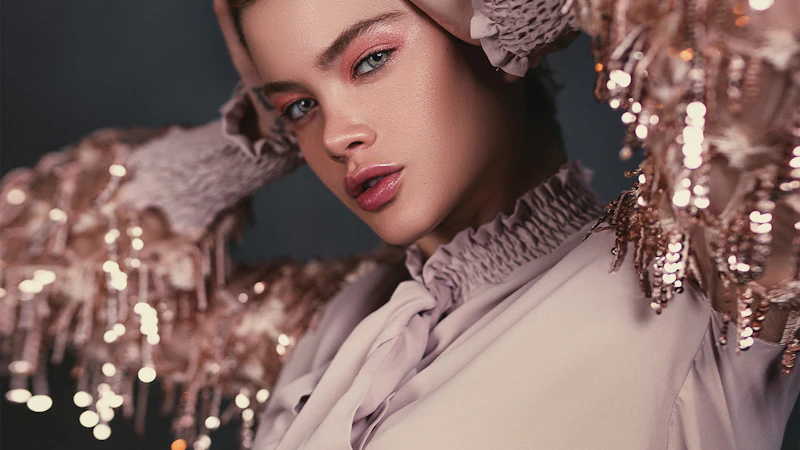
Pandora's press release of 1 July 2026 introduced Pandora Wonders, described as a multi-year initiative celebrating iconic jewellery materials through craftsmanship, design and collaboration. The first edition, a limited freshwater pearl collection co-created with British stylist Harry Lambert, uses micro-piercing, hand-setting and 14K gold plating, and debuted during Paris Haute Couture Week on 7 July 2026. The release does not mention AI.
Wikipedia notes that Pandora hired in-house designers and set up its own manufacturing site in Thailand in 1989. A company whose product is tied to craft and manufacturing may adopt generative tools first in marketing and content, where the cost of an error is lower than in physical product.
Where could generative AI fit in a jewellery brand's workflows?
- Advertising variants: drafting and testing many copy options, which the Pandora case describes.
- Product content: descriptions and metadata, with human review for accuracy and tone.
- Concept exploration: mood boards and early sketches, subject to the brand's intellectual property rules.
- Localisation: adapting messages across markets, with native-speaker checks.
Risks of generative AI in brand content. The Pandora story itself centres on tone: the aim was to produce creative faster without weakening brand voice. Risks the case does not discuss include factual errors in product claims, rights in training data and outputs, consistency across markets and disclosure rules. Brands should set approval steps and keep records of what was generated and reviewed.
What remains unknown. The sources reviewed do not show whether Pandora uses generative AI in design, what share of its content is AI-assisted, whether results were repeated in other campaigns, or how the figures were measured. Pandora's own investor and press pages reviewed do not refer to AI.
How should brands set up approval for generative content?
The Pandora case emphasises tone, which is a useful starting point for governance. A brand with a distinct voice can write guidance on language, imagery and claims, then test generated variants against it. Human review should check facts such as materials, sizes and prices, and legal claims such as sustainability statements, before anything is published.
- Define the voice. Document tone, banned phrases and examples of good copy.
- Limit the claims. Restrict generated text to approved product facts.
- Review before release. A named person approves each variant or template.
- Keep records. Store prompts, outputs and approvals for audit and for correcting errors.
- Measure properly. Use controlled tests with stated samples and dates, which the supplier case study does not provide.
Why is the difference between purchase intent and sales important?
A survey measure of purchase intent records what people say they might do. Sales record what they did. The two often diverge, and a campaign can raise stated intent without changing revenue. When a case study reports only intent, as this one appears to, readers should not read it as evidence of commercial return.

What does this case suggest for brands starting with generative AI?
The Pandora example points to a common path. Brands often begin with low-risk, high-volume text and image tasks in marketing, where outputs can be reviewed quickly and tested against real audiences. Product design, with its manufacturing constraints, intellectual property exposure and brand identity at stake, tends to follow more cautiously.
Brands should also separate the tool from the process. In the Pandora story the tool generated variants, but the strategy, audience research and testing came from people. Where a company reports success, the question is how much came from the technology and how much from better creative direction and measurement. The case study does not isolate the two.
Finally, buyers of generative tools should ask suppliers for the full method behind any published result, including sample size, dates and the comparison group, before relying on it in a business case.
A further consideration is disclosure. Some jurisdictions are introducing transparency rules for AI-generated content, and platforms may apply their own labelling. Brands using generated images or text in advertising should check current requirements in each market where they publish, and document how content was produced.
Frequently asked questions
Does Pandora use generative AI?
A Microsoft Advertising customer story says Pandora used generative AI, via Copilot in the Microsoft Advertising Platform, to create and test ad variations. Pandora's own press material reviewed does not mention AI.
Does Pandora use AI to design jewellery?
No source reviewed says so. The documented AI use is in advertising copy. Pandora's 2026 Pandora Wonders release describes craftsmanship and collaboration without reference to AI.
What results did Pandora report from AI-generated ads?
The supplier's case study reports a 10 percent increase in purchase intent and 39 percent among non-owners, though its headline says 37 percent. It gives no dates or methods, so the results should be treated cautiously.
What is Pandora Wonders?
It is a multi-year creative platform announced on 1 July 2026. Its first edition is a freshwater pearl collection co-created with stylist Harry Lambert, which debuted during Paris Haute Couture Week on 7 July 2026.
One edition every weekday morning. Read in five minutes. Free for industry professionals.