Data

How Burberry uses data and AI across clienteling, design and the supply chain
Burberry has built customer models for its client advisors and talked publicly about predictive inventory and traceability pilots. This case study separates what has been published from what has not.
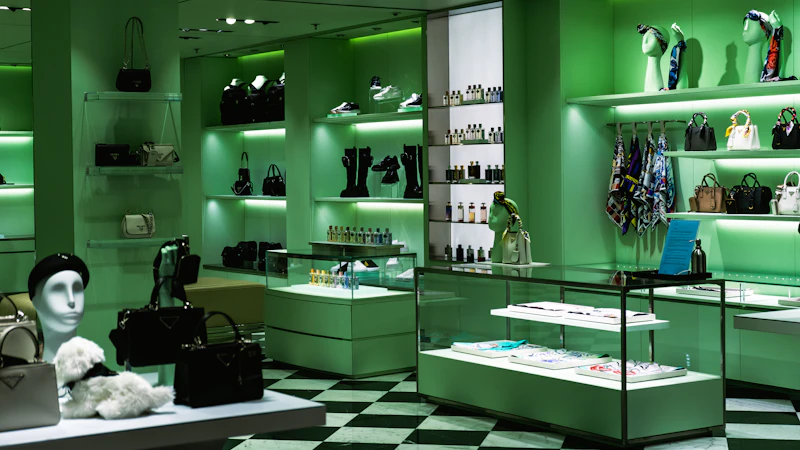
How Mytheresa uses data and personalisation to serve its top luxury clients
Mytheresa has used predictive models since 2017 to find future high-value customers, while keeping buying human-led. What is published, and what AI is not doing there.

How Ganni uses AI and data: sustainability, resale and an AI-themed runway show
Ganni has published a sustainability strategy, a resale and repair programme and an AI-themed fashion show. Public sources do not show demand-planning AI, and this case study says so.
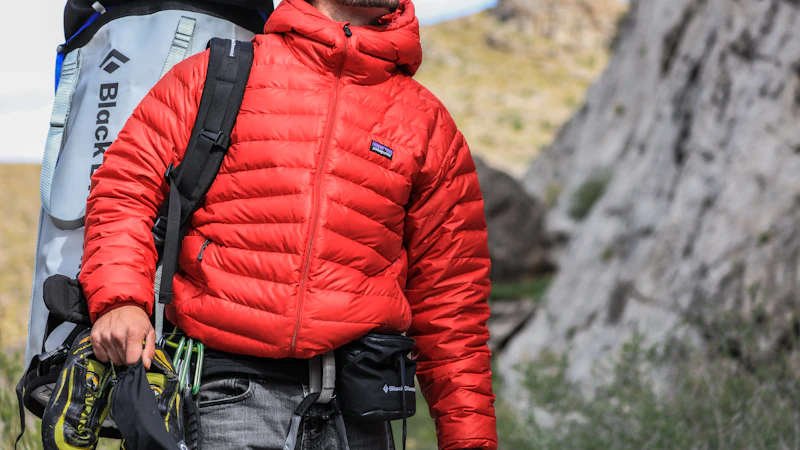
How VF Corporation uses AI and data across its outdoor and lifestyle brands
VF's annual report cites AI-powered inventory planning inside a wider turnaround, and its CEO calls AI transformative but hyped. What is documented, and what is not.
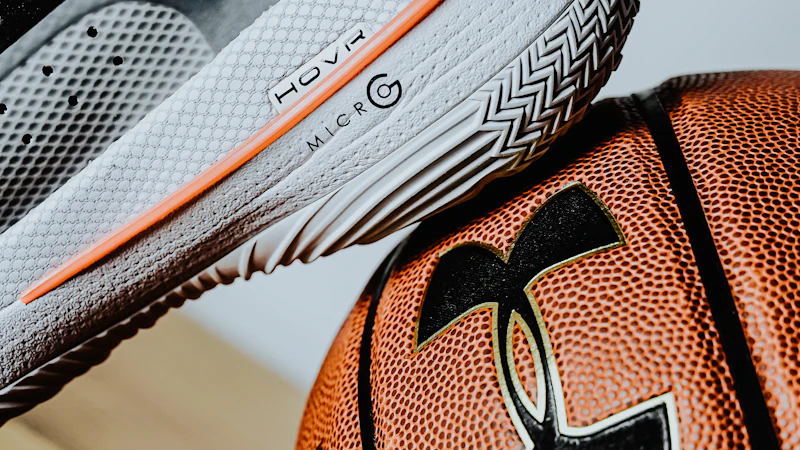
How Under Armour uses data, AI and 3D in product creation and consumer insight
Under Armour has described social listening, connected-shoe data and 3D printing in the past, and now cites AI mainly as a risk. What is documented, and what is not.

How Primark builds supply chain data: traceability, planning and AI claims
Primark has described a supplier traceability programme built on purchase-order data. It has not published AI in range planning, so this case separates data from AI.
How Reformation tracks the footprint of every product with RefScale
Reformation measures the carbon and water footprint of each garment with an internal life cycle tool. This case study explains what RefScale covers, how it is verified and where AI does and does not fit.
How Macy's uses data and AI to reshape its omnichannel business
Macy's says it has 35 AI use cases and pilots across supply chain, merchandising and service. This case study sets out what the company has reported, the guardrails it describes and what is still unmeasured.

Getting found in ChatGPT shopping and AI assistants: what fashion brands can control
Nobody can buy a guaranteed place in an AI assistant's answer. Fashion brands can, however, control crawler access, product data and policy clarity, and those are the levers that matter.

Managing AI crawlers on a fashion site: robots.txt, llms.txt and licensing
A practical guide to deciding which AI crawlers may fetch a fashion site, what robots.txt can and cannot do, and where llms.txt fits.

Monitoring what AI models say about your brand: a monthly routine
AI assistants now describe fashion brands to shoppers and buyers. A simple monthly routine can show whether those descriptions are accurate, which sources they rely on and what to fix.

Retailer data in wholesale AI: what contracts allow and what they do not
Order histories, sell-out figures and buyer contacts are valuable inputs for AI, but the right to use them depends on contracts, data protection law and, increasingly, the EU Data Act.

The order book data model: what an AI needs to read from it
An AI assistant is only as good as the structure of the order book it reads. This explainer sets out the entities, keys and status fields that matter.
How to catch price list errors before they reach buyers, with AI checks
Price list mistakes damage buyer trust and margin. Rule-based checks catch most of them, and AI adds anomaly detection and plain-language review on top.
Forecasting by style, colour, size and store: hierarchies explained
Fashion demand can be forecast at many levels, and the forecasts must add up. Hierarchical methods and reconciliation are the standard answer to that problem.
Digitising a brand archive for AI: scanning, tagging and rights
How to turn garments, textiles and paperwork into a searchable, usable archive, and which rights questions to settle before training or prompting anything on it.
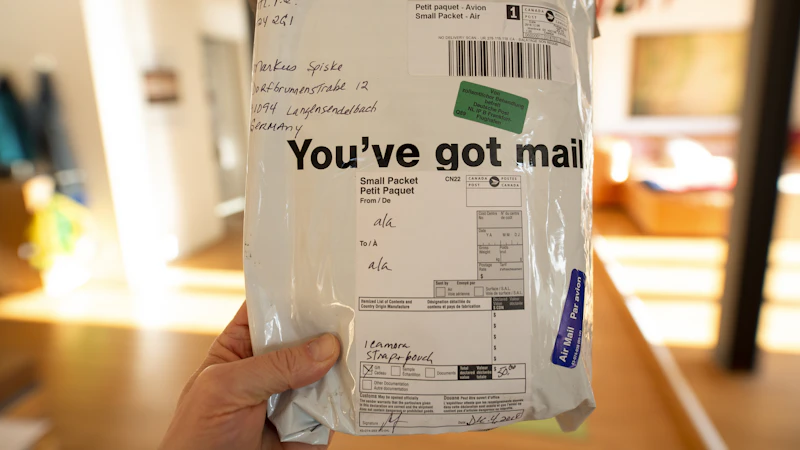
Wardrobing and returns abuse: how to detect it without punishing good customers
AI can score return behaviour at item and customer level, but blanket rules and opaque decisions cost loyalty. Here is how to target abuse narrowly and keep honest returners.
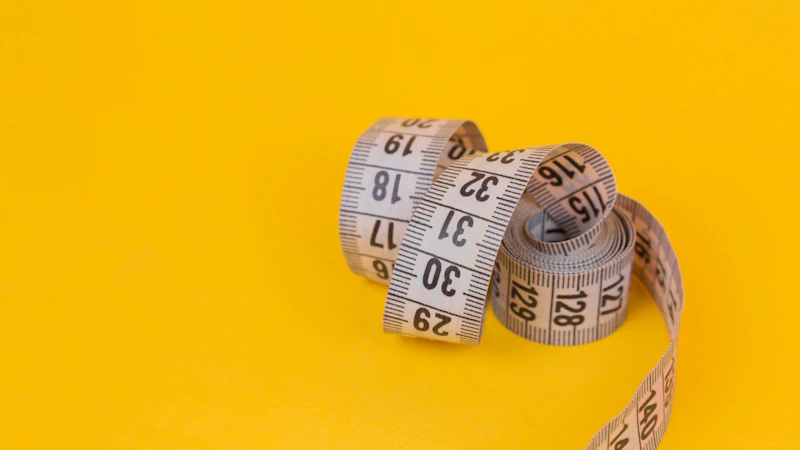
How to fix size chart inconsistency across styles with data
Inconsistent size charts push shoppers to order several sizes. A practical sequence for auditing garment measurements, using returns data and closing the loop with design and fit.

Body data and virtual try-on: privacy rules and consent patterns
Virtual try-on and size tools collect photos and measurements. What the GDPR and Illinois BIPA require, when body data becomes special category data, and consent patterns that work.

How can AI speed up supplier onboarding for fashion brands?
AI can read supplier documents and pre-fill master data, but speed comes from a clean data model and human sign-off, not from the model alone.
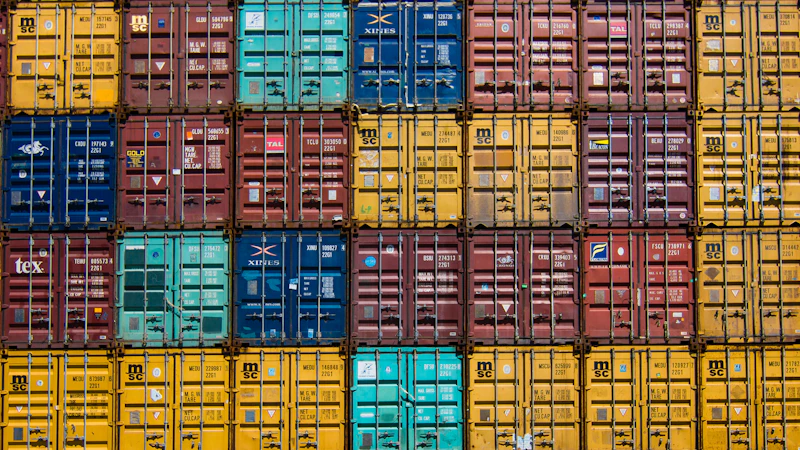
Can AI predict lead times and freight delays for fashion shipments?
Machine learning can narrow the range of likely arrival dates, but it cannot remove shocks such as rerouting, tariffs or port disruption.

Product carbon footprints: primary versus secondary data explained
Primary data comes from a supplier's own measurements and secondary data from industry averages. Most apparel footprints mix both, and the uncertainty should be shown.
How to build a size and colour curve from sell-out data in a spreadsheet
A step-by-step method that corrects for stockouts, with the pitfalls that make naive curves wrong.
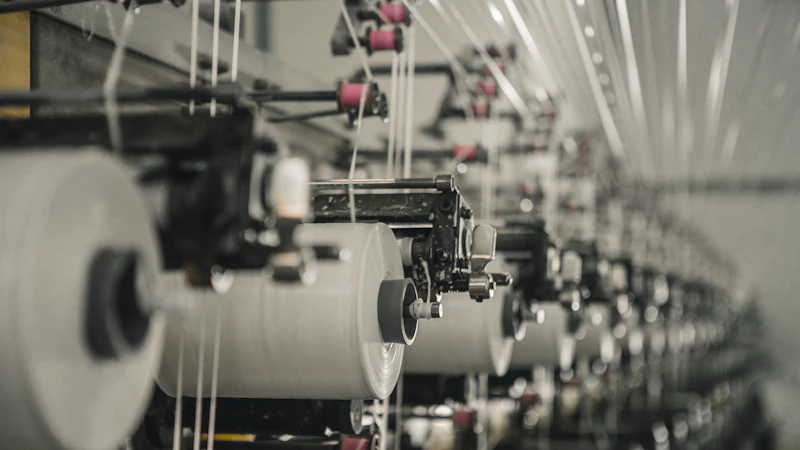
Supplier AI readiness: what to ask factories and mills
Before any AI tool can use supplier data, the data has to exist, be structured and be shareable. A checklist of questions for factories and mills.

Merchandising data checklist: ten fields AI planning tools need
Ten data fields that decide whether a planning or forecasting tool can work, and the pitfalls in each.
How does Moncler use data and AI in design, clienteling and supply chain?
Moncler's public record shows AI first in planning, quality control and replenishment, then in clienteling tools and a redesigned website. What it discloses, and what it does not, is instructive.
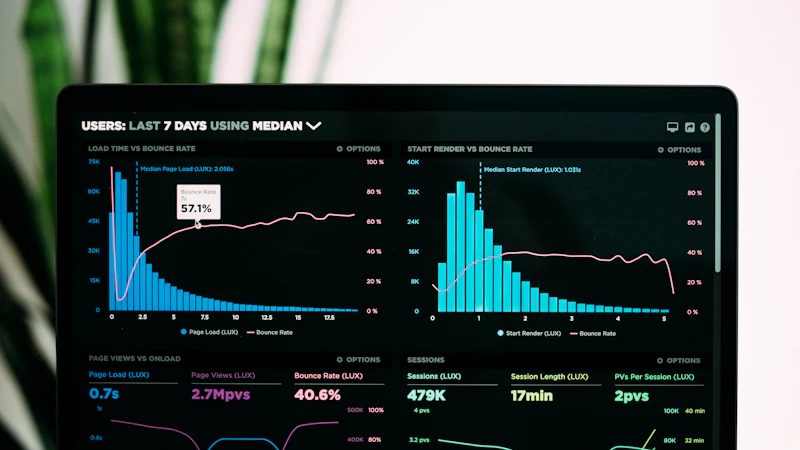
How does Tapestry use data and AI for demand planning and personalisation at Coach?
Tapestry, owner of Coach and Kate Spade, built a shared data layer, used AI to forecast demand and position inventory, and now runs an in-house generative AI system called Mira for planners and merchants.
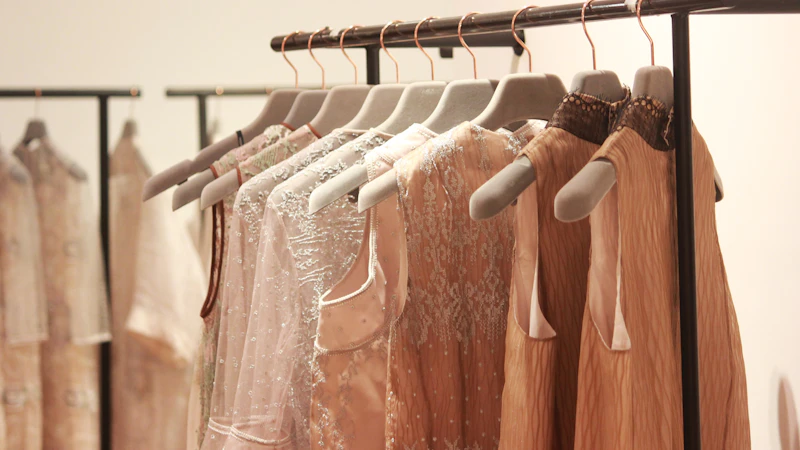
How Next plc turned its data and Total Platform into a growth engine
Next runs warehousing, websites and customer service for other brands through Total Platform, built on systems it develops in-house. Here is how the model works, what the numbers show and where AI now fits.
How does Amazon Fashion use AI for size recommendations and fit insights?
Amazon combines deep-learning size advice, AI review summaries and a fit insights tool for brands, with a shopping assistant now called Alexa for Shopping. What it has published and what brands should do.

How to audit your fashion brand's visibility in ChatGPT, Gemini and Perplexity
A repeatable audit shows whether AI assistants mention your brand, what they say about it and which pages they cite. Here is a practical method, from prompt sets to crawler checks.

How do you measure traffic and sales from AI assistants on a fashion website?
AI assistants send fewer but often well-informed visitors, and much of their influence is invisible in standard reports. Here is how to set up analytics to see what can be seen.
What is an AI supply chain control tower, and who acts on what it shows?
Control towers promise one view of orders, shipments and stock with AI alerts on top. In fashion their value depends less on the dashboard than on data quality and on who is empowered to act.

How to build an AI inventory and risk register for a fashion company
An AI inventory is the first document regulators, auditors and boards will ask for. A step-by-step method for fashion brands and retailers, with the fields that matter.

Can fashion retailers use customer data to train AI under GDPR?
Personalisation, recommendations and chatbots run on customer data. How legal basis, transparency, profiling rules and data subject rights apply when fashion e-commerce uses that data for AI.

How to fine-tune an image model on your brand archive
Fine-tuning teaches an image model a brand's prints, silhouettes and visual codes. A step-by-step guide to data preparation, method choice, licensing checks and evaluation, with realistic expectations.
What can AI learn from buyer behaviour in a digital showroom?
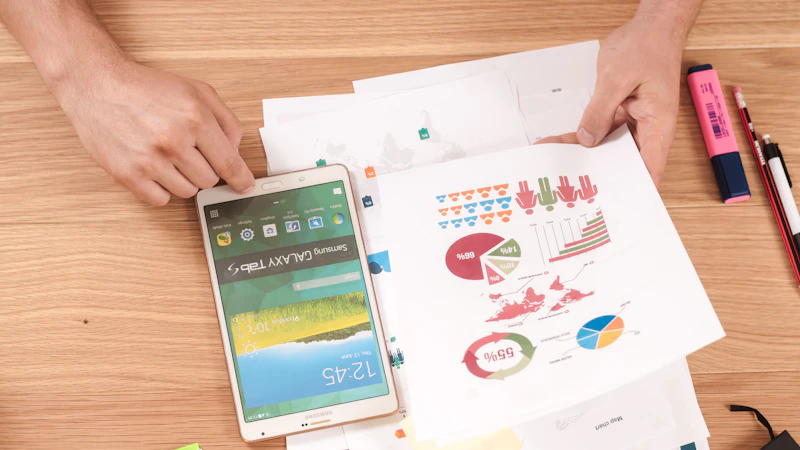
Every click, wishlist and draft order in a digital showroom is a demand signal. How AI turns that behaviour into early pre-order insight, and where the data misleads.

How can AI predict which retail accounts will churn, and what can reps do?
Wholesale accounts rarely announce that they are leaving: orders shrink, reorders stop, contact fades. How churn models read those signals, how reliable they are, and how reps should respond.
How do you forecast demand for a fashion product with no sales history?
Most of a fashion range is new each season, so classic time-series forecasting has nothing to work with. How AI borrows history from similar products, images, attributes and early sales, and where it still falls short.

How do you measure forecast accuracy in fashion? MAPE, WAPE, bias and MASE
Forecast accuracy decides whether an AI planning tool is worth its cost, yet the most popular metric is badly suited to fashion. A practical guide to MAPE, WAPE, bias and MASE, and what good looks like.
How can AI set the right initial price for a fashion product?
The initial price decides how much of a product sells at full price. How elasticity models estimate customer response to price for new items, what data they need, and how to use them without eroding the brand.

How do weather and external signals improve fashion demand forecasting?
Unseasonal weather regularly moves fashion sales, and retailers often cite it in results. What weather, events and search data can add to AI demand planning, how much, and where the evidence is thin.

How does AI predict returns before checkout? Flagging risky baskets explained
Return prediction models estimate, while the basket is still open, how likely each item is to come back. How they work, what data they need, which interventions are fair, and where the legal limits lie.
How can AI help estimate scope 3 emissions in fashion supply chains?
Most of a fashion brand's footprint sits with suppliers it does not own. Here is where AI genuinely speeds up scope 3 estimates, and where it cannot replace real supplier data.
CSRD after the Omnibus: what fashion brands must report in 2026, and how AI helps
The Omnibus I deal cut the CSRD's scope sharply. Which fashion companies still report, when, what the value chain cap means for suppliers, and where AI can make reporting less painful.
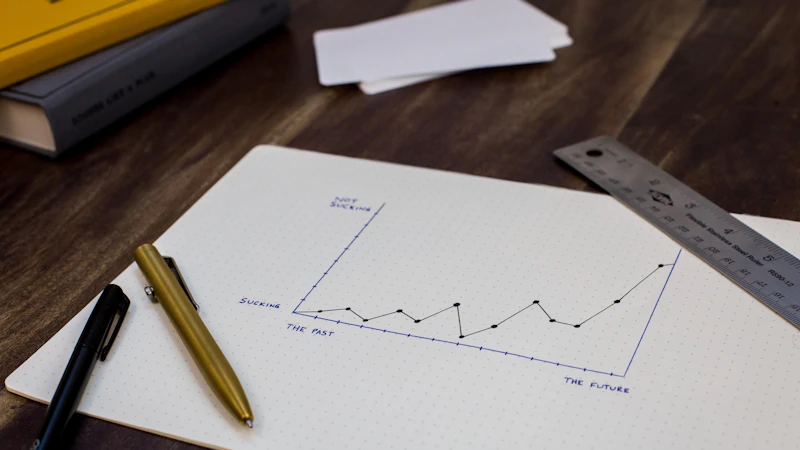
Which AI KPIs should fashion companies track in each function?
A function-by-function checklist of AI metrics for fashion businesses: what to measure, how to set baselines, and how to separate usage from real business impact.

What is RAG? How AI answers questions from your product and order data
Retrieval-augmented generation lets an AI assistant look up your catalogue, price lists and orders before it answers. How it works, what data it needs, and where it goes wrong.

What is computer vision in fashion? From defect detection to shelf monitoring
Computer vision lets machines read images and video: spotting fabric faults, tagging product photos, powering visual search and checking shelves. What it does, what it needs and where its limits lie.
Machine learning basics for merchandisers: models, features and training data
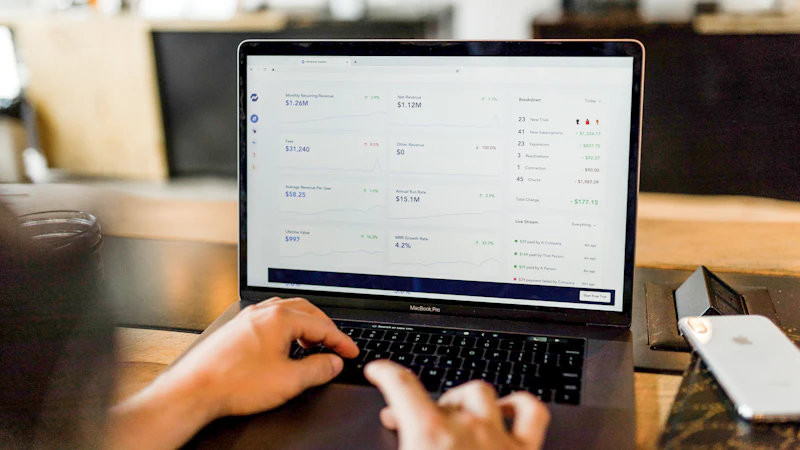
What a model, a feature, a label and training data actually are, explained with fashion merchandising examples, and the questions a merchandiser should ask before trusting a forecast.
What is AI in fashion? A complete guide to AI across the fashion value chain
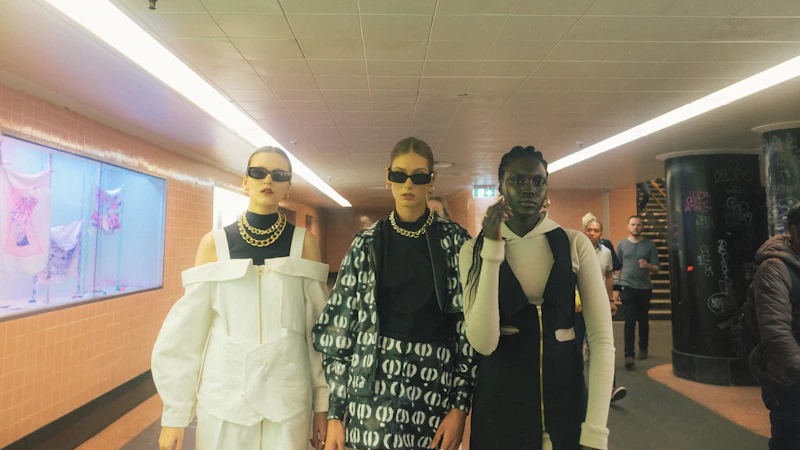
From design and planning to wholesale, supply chain and e-commerce: what artificial intelligence really does in fashion today, what data it needs and where its limits are.

How to start with AI in a fashion company: a 90-day plan
A practical three-month plan for fashion companies: choosing the first use cases, checking the data, running a pilot that proves something and deciding what to scale.

How to build an AI strategy for a fashion brand
An AI strategy is a set of choices about where AI should change how the business works, what data and skills that requires and how risk is governed. Here is how fashion brands can make those choices.

Data strategy for AI in fashion: what to fix first
Most fashion AI projects stall on data, not algorithms. Here is which data matters most, what to fix first and how to make product, inventory and sales data ready for AI.

Build, buy or partner? How fashion companies should source AI capabilities
Fashion companies can buy AI as software, build it on their own data or develop it with technology partners. When each option makes sense, what the evidence says and how to avoid lock-in.
How does AI inventory optimisation reduce deadstock and stockouts in fashion?
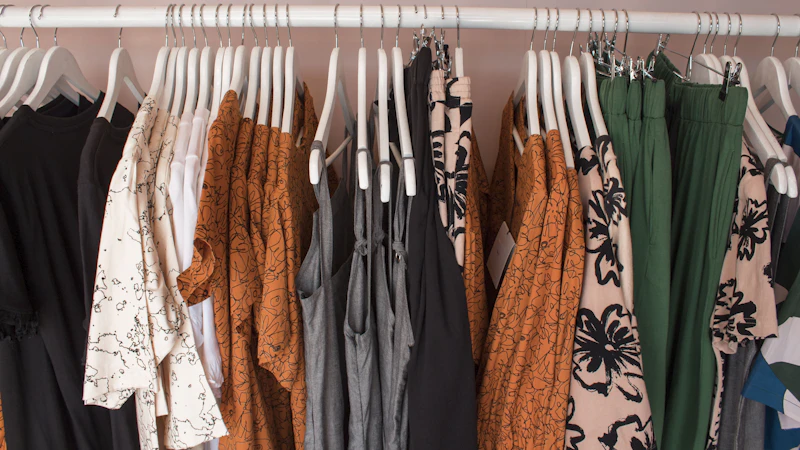
Fashion stock is perishable: too much ends in markdowns, too little in lost sales. Here is how AI models balance the two, what evidence exists and what they need to work.
What is size curve optimisation and how does AI help buy the right sizes?
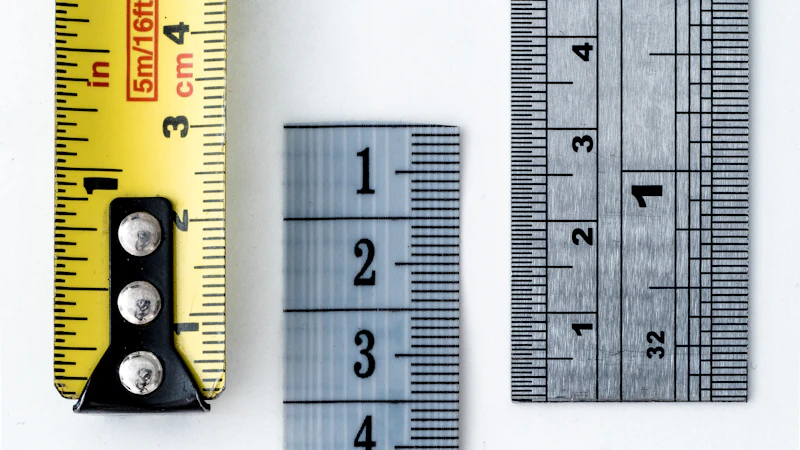
Buying the wrong mix of sizes leaves fringe sizes on the rail and core sizes sold out. Here is how AI estimates true size demand, why stockouts mislead the data and what to watch for.

What is demand sensing and how does it work in fashion?
Demand sensing updates short-term forecasts with the latest sales and external signals. In fashion it mainly improves in-season decisions: replenishment, transfers and markdowns.

Why is sell-out data essential for AI in fashion wholesale?
Brands that sell through retailers see what they ship, not what consumers buy. Sell-out data closes that gap, and without it most AI forecasting for wholesale works half blind.

AI in B2B fashion wholesale: the complete guide
Where artificial intelligence creates real value between brands and retail partners, what data it needs, how buyers already use it and where the limits are.

What makes a wholesale business AI-ready?
AI readiness in fashion wholesale is less about algorithms than about structured product, order and partner data, clear ownership and processes that capture why buyers decide.
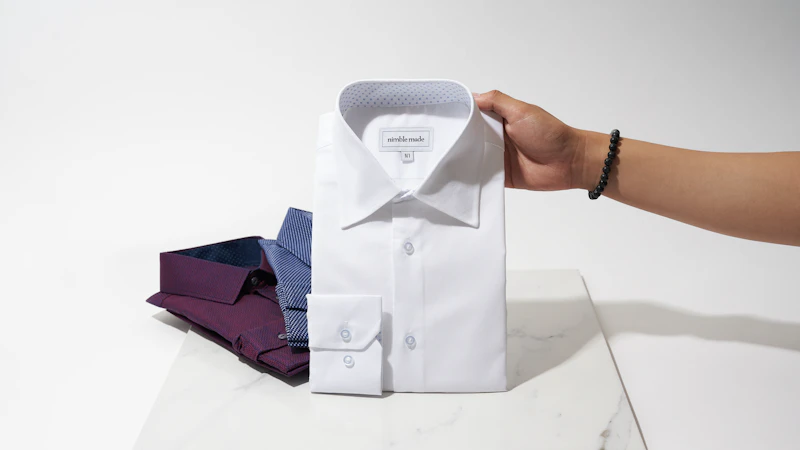
How do AI re-order prediction and automated replenishment work for retailers?
Re-orders cover styles that have already proven themselves. AI can suggest or trigger them before a retail partner runs out, if sell-out and stock data are shared.

How does AI change the digital showroom in fashion wholesale?
Digital showrooms moved collections onto screens. AI adds personalised pre-selections, natural-language search, generated imagery and behavioural insight, with new limits to manage.

How does AI customer segmentation work for wholesale accounts?
Static A, B and C tiers miss how retail partners actually behave. AI segmentation groups accounts by buying patterns and potential, if the data and governance are right.

How does AI personalisation work in fashion e-commerce?
Recommendations, ranked listings, size advice and conversational assistants all rely on the same thing: clean customer and product data. A practical guide to what works, what it costs and where the limits are.

How is AI used in the fashion supply chain?
From demand planning to warehouse robots and supplier monitoring: where AI already works in fashion supply chains, what data it needs and where its limits are.
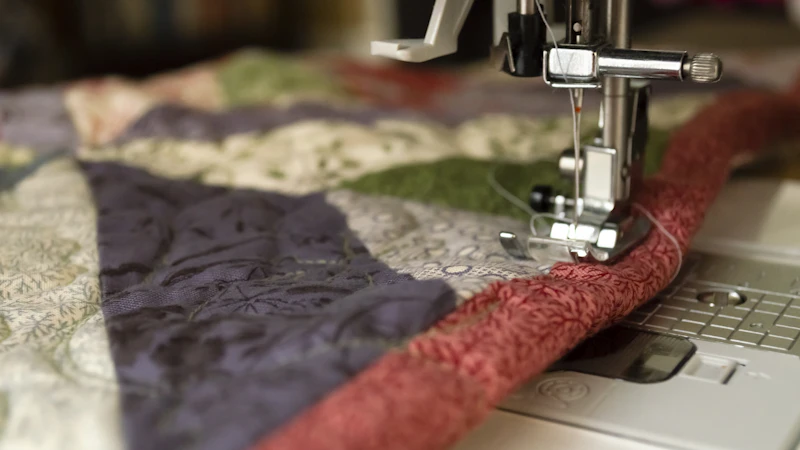
How does AI detect defects in fabrics and garments?
Computer vision is moving textile inspection from the human eye to cameras and models. How it works, where it is used, and why data and defect definitions matter most.

How Inditex uses AI and data: RFID and a demand-driven supply chain
Inditex's edge rests on item-level RFID data, integrated stock and production close to home. Where AI now enters, what results are public and what remains undisclosed.

How Levi Strauss & Co. uses AI: the data programme and its lessons
Levi Strauss & Co. trained its own staff in machine learning, stumbled with AI models in 2023 and is now rolling out agents for employees and shoppers. What the programme shows.
How Uniqlo and Fast Retailing use AI and data in the Ariake Project
Fast Retailing's Ariake Project aims to make and sell exactly what customers want, when they want it. How AI, shared data and automated warehouses fit in, and what the group has disclosed.
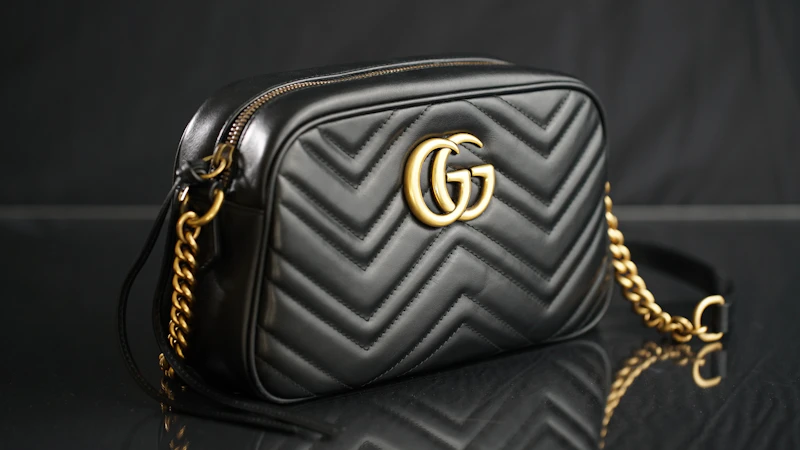
How Kering uses AI: luxury clienteling and conversational commerce
From Gucci's generative AI pilot in client service to the Madeline shopping assistant and an AI-powered unified client base announced in 2026: what Kering has built and disclosed.
AI for fashion buyers: what changes in buying and how to start
Where AI already helps fashion buyers with trend scanning, line reviews, quantities and re-orders, what data it needs, what stays a human judgement and a 30-day plan to start.

AI for wholesale sales teams and key account managers
How AI helps fashion wholesale reps and key account managers prepare appointments, build retailer assortments, read sell-out data and handle re-orders, plus what buyers still expect from people.

AI for CIOs and IT leaders in fashion: architecture, data and governance
What fashion CIOs and IT leaders need to get right for AI: product and sales data foundations, integration architecture, build or buy, security, EU AI Act duties and governance frameworks.
AI in luxury fashion: how clienteling, craft and brand control are changing
Luxury houses sell scarcity, service and story. AI can strengthen all three, but only if brands keep control of voice, data and the human relationship at the moments that matter.
Sell-in vs sell-through: the two numbers every brand should watch
Sell-in tells a brand what retailers bought. Sell-through tells it what consumers actually took home. Reading the two together reveals the true health of a wholesale business.

Key account management in fashion wholesale: a practical guide
A handful of large retail partners often drive a disproportionate share of a brand's wholesale business. Managing them well takes structure, data and senior attention.
The wholesale KPIs that actually matter
Wholesale teams can measure almost anything. The useful KPIs are the ones that explain revenue quality, account health and execution, and that lead to a decision.
How integrations connect brands and retailers: EDI, APIs and files
Orders, product data, stock and invoices flow between brands and retailers through three main routes. A practical guide to choosing and running each one.
Product master data: the unglamorous key to digital fashion
Style numbers, colour codes, size scales and identifiers decide whether showrooms, portals, feeds and invoices work. A practical guide to getting product master data right.

Where AI fits in fashion wholesale today
AI is already useful in wholesale, but mostly in narrow, data-rich tasks. A sober map of where it helps sales, buying and operations, and where human judgement still decides.

AI demand forecasting in fashion: how it works and where it fails
Machine learning can improve fashion forecasts for carry-over lines and replenishment, but new styles, short seasons and trend shifts remain hard. What leaders should expect, and what not to.

Using AI in assortment planning without losing the brand
AI can sharpen depth, breadth and size decisions in assortment planning. The risk is a range that drifts towards safe averages. How to use the tools while keeping the brand's point of view.
AI recommendations in B2B sales: from co-purchase lists to next best action
Recommendation engines are moving from simple co-purchase lists to account-specific suggestions for sales reps and buyers. How the main approaches work and what makes them trusted in fashion wholesale.

Is your data ready for AI? A readiness check for fashion brands
Most AI projects in fashion stall on data, not algorithms. A practical readiness check across product, customer, order and stock data, with the fixes that matter most.
AI and pricing: markdown optimisation explained
Markdown optimisation uses demand models to decide when and how deeply to discount. How it works, what it needs, and why brand and wholesale relationships must set its limits.

Omnichannel in fashion retail: what it actually requires
Omnichannel is not a website plus stores. It is a set of shared data, stock, processes and incentives that let customers move freely between channels.

Inventory visibility across channels: the basics for fashion businesses
Stock that cannot be seen cannot be sold. What inventory visibility means, which stock states to track and how to build it step by step.
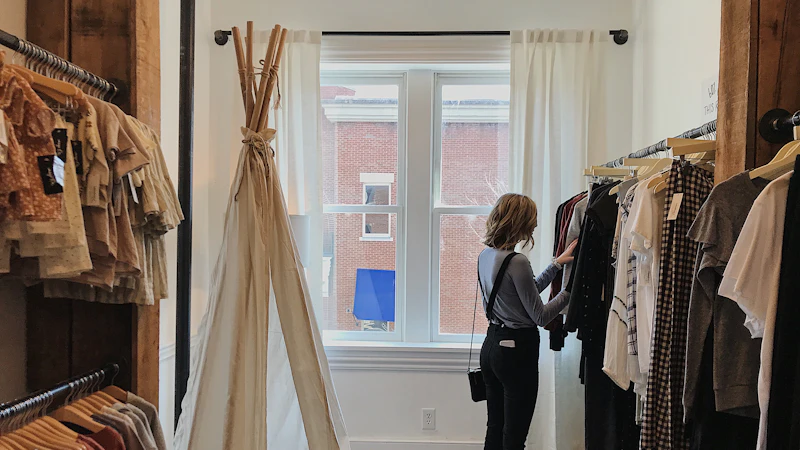
Clienteling: personal service in a data-driven fashion store
Clienteling turns store associates into relationship managers. What it is, what a programme needs, and how to introduce it without the common pitfalls.
Why returns are fashion e-commerce's costliest problem
Returns hit fashion harder than almost any other online category. Where the real costs arise, why they distort data, and what retailers and brands can do.
Retail metrics explained: sell-through, GMROI and weeks of cover
Three metrics answer most questions about how fashion stock is performing. How to calculate sell-through, GMROI and weeks of cover, and read them together.

A realistic digital roadmap for a traditional fashion brand
Digital transformation fails when it starts with tools. A phased, practical roadmap for established fashion brands, starting with data and processes and sequenced around the season.

Supply chain traceability in fashion: where to start
Regulators, retailers and consumers increasingly ask where clothes come from. A practical guide to mapping suppliers, collecting data and building traceability step by step.