B2B Commerce
How Bestseller approaches technology across its brands: what is public
Bestseller has published its investments in automation and materials, but little on digital B2B tools or AI. Here is what is documented about a multi-brand wholesale group.

Will AI agents place wholesale orders? Scenarios for B2B fashion buyers
Forecasts say AI agents will intermediate large volumes of B2B buying. For fashion wholesale, where orders are seasonal and relationship-led, the realistic path is narrower and slower.

Serving small retailers at scale: self-service and AI versus field reps
Independent retailers are a growing share of wholesale orders but are costly to serve in person. This analysis weighs self-service, AI assistance and field reps.

How do you separate real AI from marketing in wholesale platforms?
Almost every B2B ordering platform now advertises AI. A buyer can test those claims with specific questions about data, behaviour, evidence and cost, and by asking for a demonstration on its own data.

How to set up retailer-specific assortments and price tiers in a B2B portal
Which products a retailer sees, at which price and in which quantities: the building blocks and the traps.

How to onboard a new retail account digitally: credit, terms and catalogue access
A sequence for opening a new wholesale customer: identity and credit checks, terms, then access to the right catalogue and prices.

How did ABOUT YOU and SCAYLE turn commerce technology into a B2B business?
SCAYLE began as the platform behind ABOUT YOU and is now a software unit inside Zalando's B2B business, adding AI content tools. What the published figures show and what brands should take from it.
What is Alibaba's Accio, and what does an AI sourcing agent mean for fashion?
Accio, Alibaba.com's AI sourcing tool, passed 10 million monthly users in 2026 and now has an agent platform. How it works, what it cannot do yet, and what it changes for fashion buyers and suppliers.

How to make your B2B fashion catalogue machine-readable for buying agents
Procurement and buying agents need structured access to wholesale stock, prices and terms. A practical guide for fashion brands to expose their B2B catalogue safely to AI agents.

AI clauses in B2B contracts: 20 questions for software vendors and retail partners
From model training on your data to logging and liability, the questions fashion brands should ask AI vendors and wholesale partners before signing, mapped to the AI Act.

AI in B2B fashion wholesale: the complete guide
Where artificial intelligence creates real value between brands and retail partners, what data it needs, how buyers already use it and where the limits are.
What can conversational AI assistants do for B2B fashion buyers?
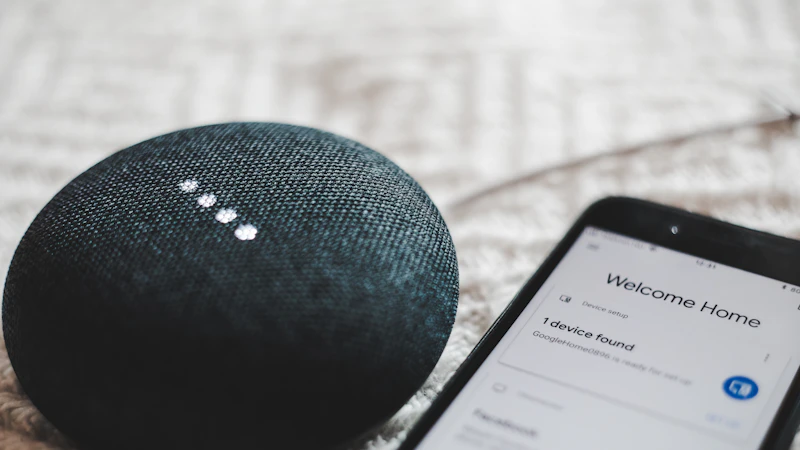
Assistants that answer questions on availability, order status and terms are arriving in B2B portals. What they can do, what they must be connected to and where caution is needed.

How do you design a B2B re-order portal that retailers actually use?
Retailers want to re-order between seasons without calling a sales rep. What a self-service portal needs to offer, which data it depends on and where AI adds value.

How is AI used for credit limits and payment terms in B2B fashion commerce?
Wholesale brands extend credit to every retailer they ship to. How AI risk scoring works, what data it needs and where the legal and practical limits lie.

AI agents in B2B order entry: what will retailers' buying bots expect from brands?
Retail buyers are starting to use AI agents to search, compare and order. What those agents need from fashion brands, from machine-readable catalogues to reliable confirmations.
How do fashion brands syndicate product data to retailers and marketplaces?
One PIM, many channels: how to structure, map and validate fashion product data so wholesale partners and marketplaces accept it the first time, and where AI helps.
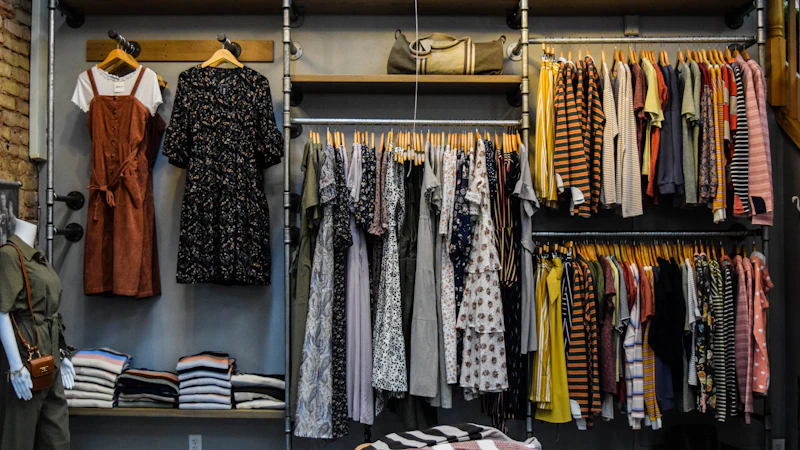
How do brands share inventory with wholesale partners in a connected retail model?
Brands and retailers increasingly sell each other's stock: retailers list store inventory on platforms, brands drop-ship for partners. The models work only with clean data, clear margins and agreed returns.
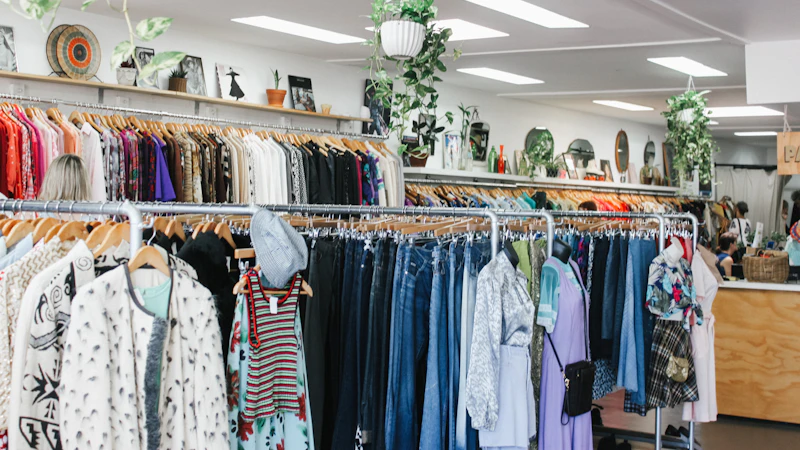
How can fashion brands launch their own resale platform?
Brands can run resale in house, on a white-label service or through marketplace partnerships. Each model trades control, cost and reach differently, and each depends on product data and operations.

What is fashion wholesale? How brands sell collections to retailers
Wholesale is the business of selling a collection to other businesses before the consumer ever sees it. Here is how the model works, who buys, and why it still anchors many fashion brands.

What a good B2B ordering portal needs: a practical checklist
A B2B ordering portal should make it easier for retailers to buy than to pick up the phone. This checklist covers the features and foundations that make the difference.

Headless commerce for fashion brands, in plain language
Headless commerce separates what shoppers and buyers see from the engine that runs prices, carts and orders. Here is what that means, when it helps and what it costs.
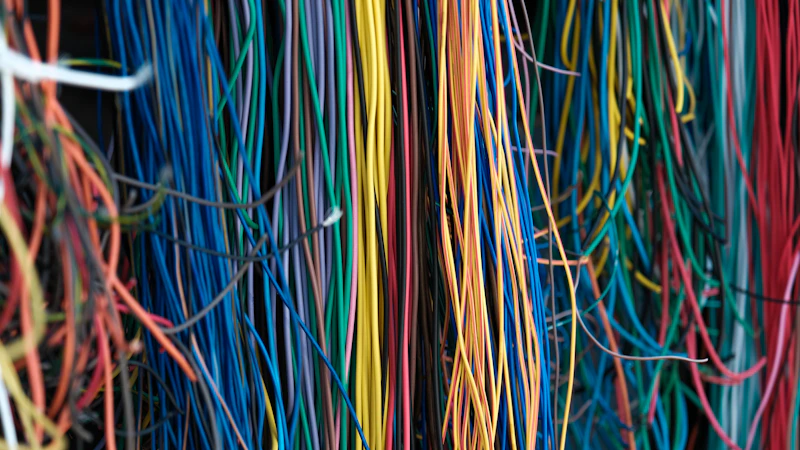
How integrations connect brands and retailers: EDI, APIs and files
Orders, product data, stock and invoices flow between brands and retailers through three main routes. A practical guide to choosing and running each one.

What a modern tech stack looks like for a mid-sized fashion brand
From product development to wholesale ordering and finance, a mid-sized fashion brand needs a connected set of systems. A layer-by-layer guide to what belongs where.

Endless aisle and drop shipping between brands and retailers
Retailers want wider ranges without more stock; brands want more sales from the stock they hold. How endless aisle and drop shipping connect the two.