Pricing

How bonprix uses AI for assortment, product ranking and pricing
The German online fashion retailer has published how it uses machine learning to cull weak styles, rank products daily and advise on size. Here is what is documented, and what is not.
How to catch price list errors before they reach buyers, with AI checks
Price list mistakes damage buyer trust and margin. Rule-based checks catch most of them, and AI adds anomaly detection and plain-language review on top.

End-of-season clearance with AI: channels, timing and brand protection
AI can model markdown depth, timing and channel choice before a season ends, but clearance still depends on clean stock data, pricing rules and decisions about brand value.

Forecasting promotions: baseline, uplift and cannibalisation
A promotion forecast separates what would have sold anyway from what the promotion adds and what it takes from other items. Each step needs its own data and its own caution.
AI-assisted bill of materials and costing from a design brief
How AI can pre-populate a bill of materials and estimate labour and cost from images and history, where it needs human verification, and how to set it up sensibly.

Paid returns: what happens to conversion and loyalty?
Returns fees are now common in UK fashion, yet public evidence on conversion and loyalty is thin. What the data says, what it does not, and how to test a fee safely.

How to set up retailer-specific assortments and price tiers in a B2B portal
Which products a retailer sees, at which price and in which quantities: the building blocks and the traps.

How Revolve uses data and algorithms to buy, price and reorder
Revolve tests styles in small quantities and uses a proprietary dashboard to decide what to reorder, with full-price selling at the centre. How the model works, where AI now fits, and what is not disclosed.
How does The RealReal use AI for authentication, pricing and intake?
The RealReal pairs human authenticators with image tools, prices most items algorithmically and is moving intake onto an AI system called Athena. What it has disclosed, and what the model means for resale.
How can AI measure wholesale account profitability, terms and cost to serve?
Revenue per account hides discounts, returns, payment terms and service costs. How AI helps brands see true account profitability, and why the data work comes first.

Dynamic pricing in fashion: where does AI help and where does it harm the brand?
Algorithmic pricing can clear stock and protect margin, but frequent or personalised price changes carry brand, trust and legal risks. Where AI pricing earns its place in fashion and where it should stop.
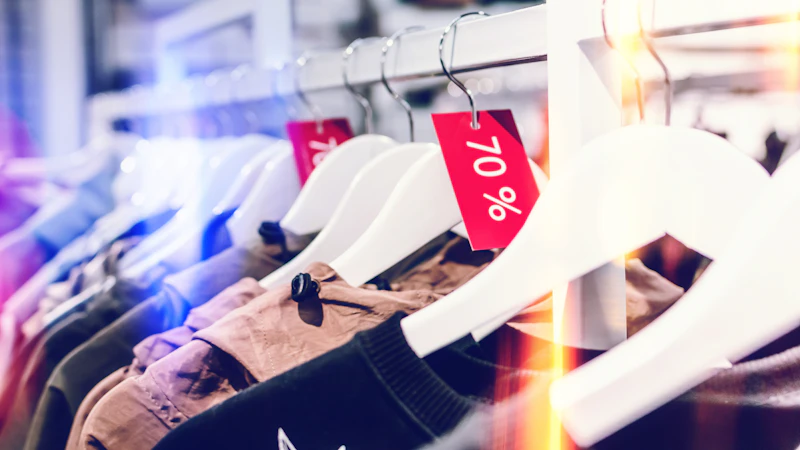
How can AI set the right initial price for a fashion product?
The initial price decides how much of a product sells at full price. How elasticity models estimate customer response to price for new items, what data they need, and how to use them without eroding the brand.
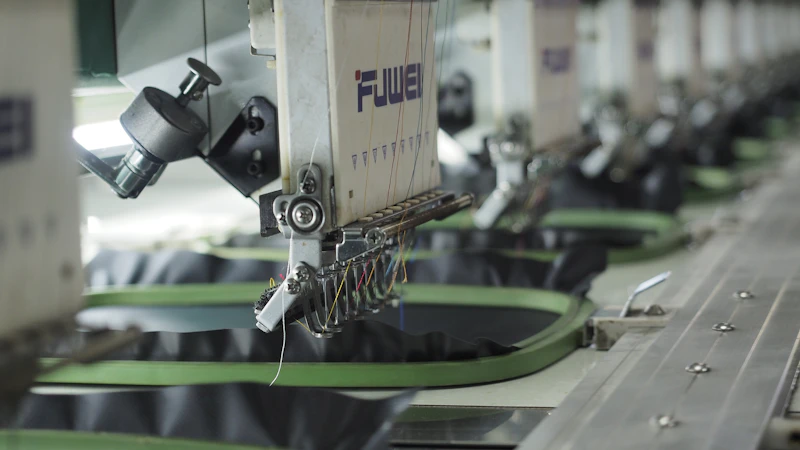
How is AI used in fashion sourcing for cost modelling and supplier negotiations?
AI can break down garment costs, compare quotes and prepare negotiations. What works, what consultancies claim, and why trust and supplier relationships still decide outcomes.

AI in fashion merchandising: what it does, what it needs and where it fails
Machine learning now supports forecasting, assortment, pricing and planning decisions in fashion. This guide explains the use cases, the data they depend on and how merchants stay in control.

How can AI support range and line planning in fashion?
Range planning decides how many styles, at which prices and in what depth a collection should have. AI can forecast new items and test scenarios, but the creative and strategic call stays human.
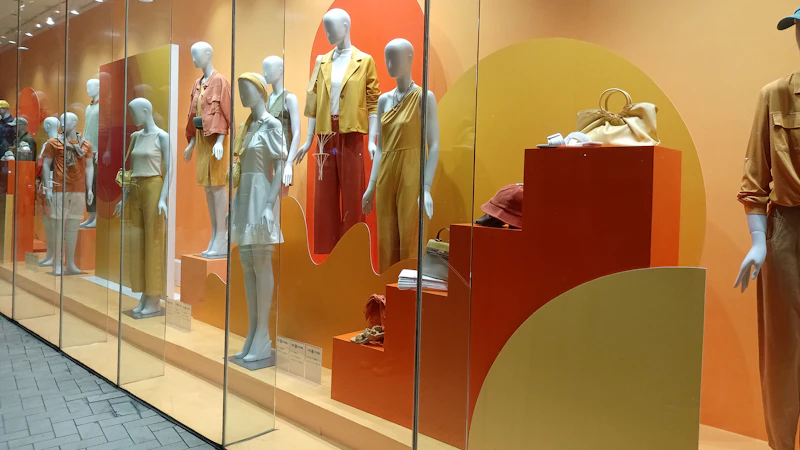
How H&M uses AI: demand, allocation and digital twins
H&M has applied analytics and AI to buying quantities, store allocation and pricing since 2018, and to campaign imagery since 2025. What is documented, and what it has not disclosed.

AI for merchandisers and planners: a practical guide
How AI supports merchandise financial planning, forecasting, allocation, replenishment and markdowns in fashion, what data it needs, what planners still decide and how to start.
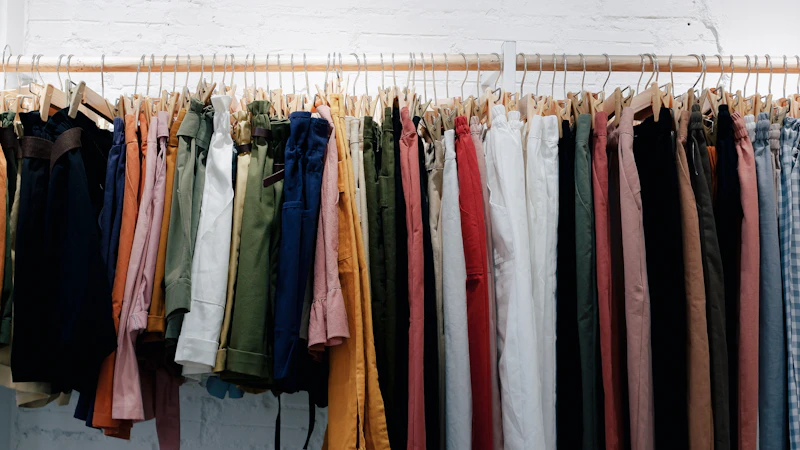
AI in resale and second-hand fashion: authentication, pricing and listing
Every second-hand item is a unique product that must be identified, checked, priced and described. That makes AI more central to resale economics than to almost any other fashion segment.

Order minimums, payment terms and delivery windows explained
The commercial terms behind a wholesale order shape cash flow, risk and the relationship on both sides. Here is how minimums, payment terms and delivery windows work in fashion.

Marketplaces for fashion brands: models, trade-offs and control
Online marketplaces offer reach, but each model changes who controls price, stock and brand presentation. Here is how the main models work and what brands should weigh.

AI and pricing: markdown optimisation explained
Markdown optimisation uses demand models to decide when and how deeply to discount. How it works, what it needs, and why brand and wholesale relationships must set its limits.
What independent fashion retailers need from their brand partners
Independent boutiques buy with tight budgets and small teams. Brands that make buying easy, share risk in season and protect full-price selling keep them.
How margins work in fashion, from factory to shop floor
From the factory cost to the price on the swing tag: how landed cost, wholesale markup and retail markup combine, and why markdowns decide what margin is really earned.

Expanding a fashion brand internationally through wholesale
Wholesale is often the lowest-risk route into new markets. A practical guide to choosing markets, structuring sales, pricing across currencies and supporting retailers abroad.

Pricing architecture: wholesale price, RRP and currency price lists
How fashion brands structure price points, wholesale prices, recommended retail prices and currency lists into one coherent system that retailers trust and finance can defend.