Inventory

How lululemon approaches AI in product, planning and inventory
lululemon has named a chief AI and technology officer and set a new-style target, but has published few details on AI in planning. Here is what is on record.

What Columbia Sportswear has disclosed about AI, planning and supply chain
Columbia has not published AI deployments, but its annual reports describe how it plans demand, relies on cloud planning tools and treats AI as a technology risk.
How Abercrombie and Fitch plans assortments and inventory: what is public on AI
Abercrombie and Fitch talks about AI sparingly, but its Read and React model, ERP replacement and inventory discipline show how a data-led planner works. A sober look at what is documented.
How Target uses AI in inventory, store tools and shopping assistants
Target has described generative AI tools for guests and store teams, a ChatGPT app and a data-science inventory system covering about 2,000 stores. A case study of what is published, with limits.
End-of-season clearance with AI: channels, timing and brand protection
AI can model markdown depth, timing and channel choice before a season ends, but clearance still depends on clean stock data, pricing rules and decisions about brand value.

Forecasting by style, colour, size and store: hierarchies explained
Fashion demand can be forecast at many levels, and the forecasts must add up. Hierarchical methods and reconciliation are the standard answer to that problem.
Safety stock in fashion: why classic formulas break and what replaces them
The textbook safety stock formula assumes normal, independent, stable demand. Fashion rarely offers any of the three, so planners need different tools.

Rebalancing stock between stores and online with AI
Rebalancing moves inventory to where it will sell. AI helps decide what to move and when, but transfer costs, stock accuracy and fulfilment rules decide whether it pays off.

Weeks of cover and GMROI: two stock metrics explained
One tells you how long stock will last, the other whether stock earns its keep. Formulas, uses and limits.
How to build a size and colour curve from sell-out data in a spreadsheet
A step-by-step method that corrects for stockouts, with the pitfalls that make naive curves wrong.

How Decathlon uses AI for demand forecasting and supply planning
Decathlon forecasts weekly demand for up to 25,000 products per supply zone and has moved to a fine-tuned time series foundation model. What it published about accuracy, cost and the limits.

How does Rent the Runway use data and AI to manage a shared inventory?
Rent the Runway made its biggest-ever inventory bet in 2025, then turned to AI recommendations, search and outfit generation in 2026. What it has reported, and what rental teaches about inventory.
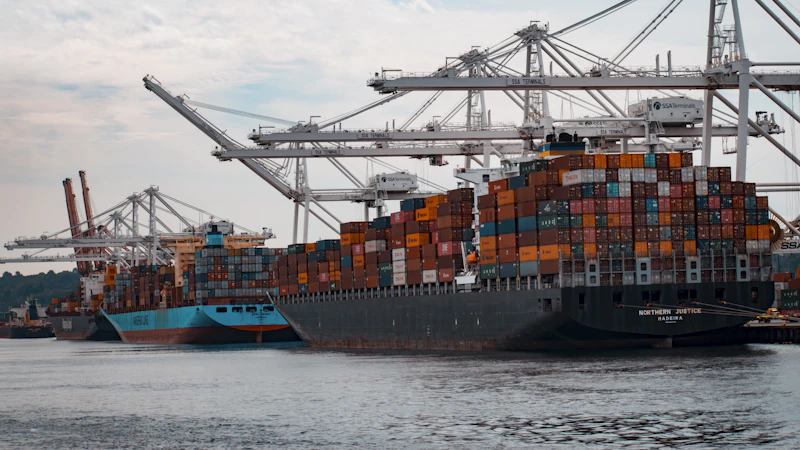
What is an AI supply chain control tower, and who acts on what it shows?
Control towers promise one view of orders, shipments and stock with AI alerts on top. In fashion their value depends less on the dashboard than on data quality and on who is empowered to act.
How should brands allocate scarce stock across wholesale accounts with AI?
When production falls short of orders, someone must decide which retailers get what. How AI optimises allocation against clear rules, and why perceived fairness matters as much as margin.

How do weather and external signals improve fashion demand forecasting?
Unseasonal weather regularly moves fashion sales, and retailers often cite it in results. What weather, events and search data can add to AI demand planning, how much, and where the evidence is thin.

How is AI used in fashion logistics and warehouses?
From picking robots to slotting and delivery date promises, AI is moving into fashion fulfilment. What is deployed, what it depends on, and why soft, varied products remain hard to automate.

Data strategy for AI in fashion: what to fix first
Most fashion AI projects stall on data, not algorithms. Here is which data matters most, what to fix first and how to make product, inventory and sales data ready for AI.
How does AI inventory optimisation reduce deadstock and stockouts in fashion?
Fashion stock is perishable: too much ends in markdowns, too little in lost sales. Here is how AI models balance the two, what evidence exists and what they need to work.

How does AI allocation and replenishment work across stores and channels?
Allocation decides where stock goes first; replenishment decides what follows. AI makes both decisions at size and location level. Here is how it works, what it needs and where it struggles.
What is size curve optimisation and how does AI help buy the right sizes?
Buying the wrong mix of sizes leaves fringe sizes on the rail and core sizes sold out. Here is how AI estimates true size demand, why stockouts mislead the data and what to watch for.

What is demand sensing and how does it work in fashion?
Demand sensing updates short-term forecasts with the latest sales and external signals. In fashion it mainly improves in-season decisions: replenishment, transfers and markdowns.

How is AI used in physical fashion stores?
From associate assistants and clienteling to computer vision for stock and checkout, AI is moving onto the shop floor. What works, what it requires and where privacy law draws hard lines.
Can AI make fashion more sustainable?
AI can help fashion make fewer unwanted products and manage new EU rules, but it also uses energy and cannot fix a business model on its own. A sober look at both sides.

How Inditex uses AI and data: RFID and a demand-driven supply chain
Inditex's edge rests on item-level RFID data, integrated stock and production close to home. Where AI now enters, what results are public and what remains undisclosed.
How Uniqlo and Fast Retailing use AI and data in the Ariake Project
Fast Retailing's Ariake Project aims to make and sell exactly what customers want, when they want it. How AI, shared data and automated warehouses fit in, and what the group has disclosed.

AI for merchandisers and planners: a practical guide
How AI supports merchandise financial planning, forecasting, allocation, replenishment and markdowns in fashion, what data it needs, what planners still decide and how to start.

AI in childrenswear and basics: forecasting replenishment-driven ranges
Basics and childrenswear sell steadily, in many sizes, at thin margins. That makes them ideal for AI forecasting and replenishment, and sensitive when the customer is a child.

Pre-order vs re-order: the two rhythms of the fashion order book
Pre-orders set the shape of a season; re-orders react to how it is actually selling. Understanding both is essential for planning stock, cash and production.
Sell-in vs sell-through: the two numbers every brand should watch
Sell-in tells a brand what retailers bought. Sell-through tells it what consumers actually took home. Reading the two together reveals the true health of a wholesale business.

Replenishment in fashion: how never-out-of-stock programmes work
Never-out-of-stock programmes keep core products permanently available to retailers. They look simple from the shop floor, but depend on disciplined planning, stock and data.

Is your data ready for AI? A readiness check for fashion brands
Most AI projects in fashion stall on data, not algorithms. A practical readiness check across product, customer, order and stock data, with the fixes that matter most.

Omnichannel in fashion retail: what it actually requires
Omnichannel is not a website plus stores. It is a set of shared data, stock, processes and incentives that let customers move freely between channels.

Open-to-buy explained: how fashion retailers budget their buying
Open-to-buy tells a buyer how much stock can still be purchased without breaking the plan. Here is how it is calculated, used and commonly misused.

Concession, consignment and wholesale: the three models compared
Who owns the stock, sets the price and carries the markdown risk depends on the commercial model. How wholesale, consignment and concessions differ.

Inventory visibility across channels: the basics for fashion businesses
Stock that cannot be seen cannot be sold. What inventory visibility means, which stock states to track and how to build it step by step.

Endless aisle and drop shipping between brands and retailers
Retailers want wider ranges without more stock; brands want more sales from the stock they hold. How endless aisle and drop shipping connect the two.
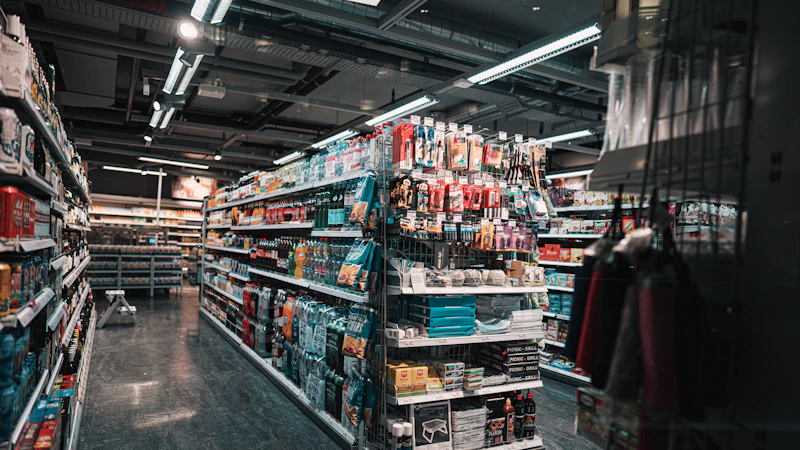
Retail metrics explained: sell-through, GMROI and weeks of cover
Three metrics answer most questions about how fashion stock is performing. How to calculate sell-through, GMROI and weeks of cover, and read them together.
Seasonality and cash flow in fashion businesses
Fashion brands pay for fabric months before they are paid for garments. How the seasonal cash cycle works, where the pressure points are and how finance teams manage them.

What investors look at in a fashion brand
Brand heat is not enough. Investors and acquirers examine margin quality, channel mix, customer data, inventory discipline and scalability. A clear guide to how fashion businesses are assessed.

Overproduction in fashion: causes and levers
Making more than can be sold at full price is built into how fashion plans, buys and produces. Why it happens, why regulation now raises the stakes and which levers actually work.