Finance

Fraud, chargebacks and liability in agentic checkout for fashion
Card networks and payment providers have launched tokens and verification methods for AI agents, but who pays when an agent gets it wrong is still unsettled. Here is where fashion retailers stand.

Cash-flow forecasting with AI for wholesale-heavy brands
Wholesale brands tie up cash in stock and receivables for months. AI can improve timing forecasts, but customer payment behaviour is the hardest input to predict.

How can AI help with customs and HS code classification for apparel?
AI can suggest HS codes from product data and flag risky classifications, but fibre content, construction and legal responsibility still need human checks.

How do you track AI benefits after go-live? Baselines, owners and reviews
Most companies approve AI projects on a business case and never check it again. A practical routine for baselines, named owners and regular reviews turns promised benefits into measured ones.

How should fashion companies budget for AI in 2027?
A 2027 AI budget works best as a portfolio: a small base for foundations and compliance, a core for proven use cases, and a capped experimental pot. Usage-based costs and data work are the lines most often missed.

Weeks of cover and GMROI: two stock metrics explained
One tells you how long stock will last, the other whether stock earns its keep. Formulas, uses and limits.

Total landed cost explained for fashion sourcing
The factory price is the start, not the end. Freight, insurance, duties, fees and overhead decide what a garment really costs on arrival.

How can AI measure wholesale account profitability, terms and cost to serve?
Revenue per account hides discounts, returns, payment terms and service costs. How AI helps brands see true account profitability, and why the data work comes first.
How is AI used in fashion sourcing for cost modelling and supplier negotiations?
AI can break down garment costs, compare quotes and prepare negotiations. What works, what consultancies claim, and why trust and supplier relationships still decide outcomes.

What does generative AI really cost? Licences, tokens and hidden costs explained
Per-seat licences are only the visible part of generative AI spending. How licence, token, integration, data and governance costs add up for a fashion company, with published price points.

How to measure the ROI of AI in fashion
Most companies struggle to prove that AI pays off. A practical framework for fashion: baselines, control groups, the right metrics per use case and the full cost picture.

How can AI improve open-to-buy and merchandise budget planning?
Open-to-buy tells buyers how much they can still spend without breaking sales and stock targets. AI can keep that number current and more realistic, provided the plan behind it is sound.

AI for fashion CFOs: where the money is and how to govern it
Where AI creates measurable value in a fashion business, what finance teams can use it for, why many AI projects fail to pay back and how CFOs can govern AI spending and risk.

Order minimums, payment terms and delivery windows explained
The commercial terms behind a wholesale order shape cash flow, risk and the relationship on both sides. Here is how minimums, payment terms and delivery windows work in fashion.

ERP in fashion: the system of record behind every order
Every wholesale order, invoice and delivery ends up in the ERP. Here is what it does in a fashion business, where it struggles, and how to keep it healthy.

Open-to-buy explained: how fashion retailers budget their buying
Open-to-buy tells a buyer how much stock can still be purchased without breaking the plan. Here is how it is calculated, used and commonly misused.

Retail metrics explained: sell-through, GMROI and weeks of cover
Three metrics answer most questions about how fashion stock is performing. How to calculate sell-through, GMROI and weeks of cover, and read them together.

How margins work in fashion, from factory to shop floor
From the factory cost to the price on the swing tag: how landed cost, wholesale markup and retail markup combine, and why markdowns decide what margin is really earned.

Seasonality and cash flow in fashion businesses
Fashion brands pay for fabric months before they are paid for garments. How the seasonal cash cycle works, where the pressure points are and how finance teams manage them.

Nearshoring in fashion: the trade-offs
Moving production closer to end markets promises speed, flexibility and resilience. It also raises unit costs and narrows capability. How to decide what to bring closer and what to leave.

What investors look at in a fashion brand
Brand heat is not enough. Investors and acquirers examine margin quality, channel mix, customer data, inventory discipline and scalability. A clear guide to how fashion businesses are assessed.
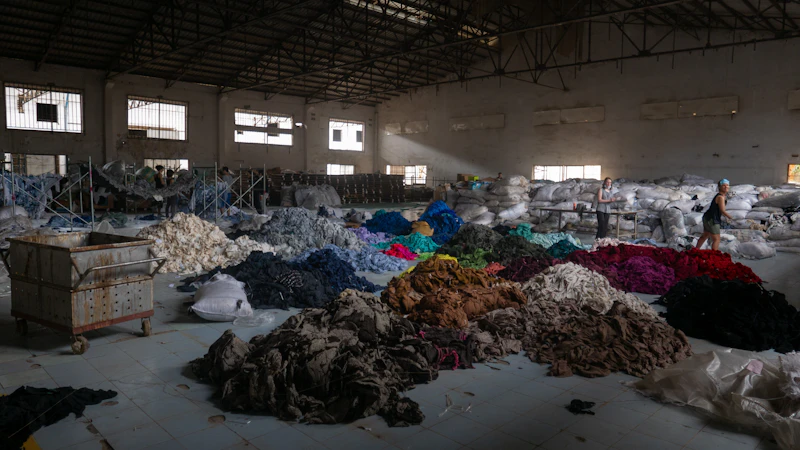
Extended producer responsibility for textiles, explained
The revised EU Waste Framework Directive makes producers pay for the collection, sorting and recycling of used clothing and footwear. Who counts as a producer, what it costs and when it starts.