Category management in fashion: roles, roadmaps and data needs
Category managers define and steer product groups through an eight step cycle, balancing assortment, pricing and space to deliver sales, margin and inventory targets.

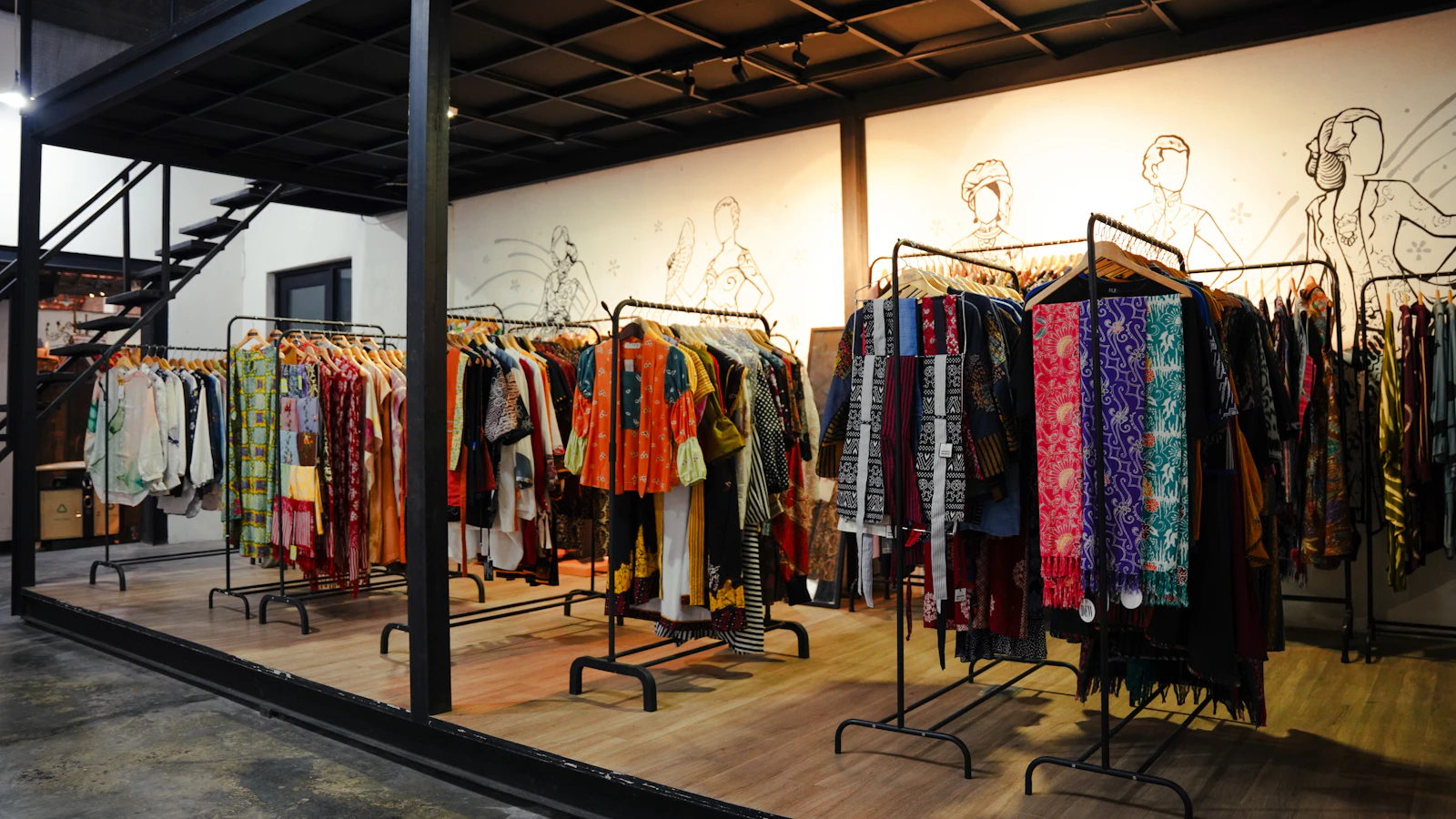
KEY TAKEAWAYS Summary by the editors
- Category managers develop product group strategies, analyse market trends and oversee pricing, promotion and supplier relationships to maximise sales and profitability.
- The industry standard eight step process moves from category definition and role assignment through performance assessment, target setting, strategy design, tactics, implementation and review.
- Assortment planning for fashion involves higher proportions of new articles, shorter life cycles and seasonal planning, unlike regular merchandise managed month to month.
- Core data inputs include sales by SKU and store, inventory turnover, gross margin, sell through rate, markdown rate and basket penetration metrics.
What does a category manager do in fashion retail?
A category manager analyses industry and consumer trends, develops long term strategies for product categories and maximises consumer appeal through pricing, promotion and product range management. Fashion category managers oversee a specific category or group of products within a fashion retail business, analysing market trends, selecting and sourcing products, managing inventory and developing pricing strategies to maximise sales and profitability.
A retail category manager is an in store expert in the visual merchandising, pricing, management and sales of a specified group of products, with expertise key to driving pricing, product display, marketing and promotions to make them highly visible, accessible and appealing to customers. One role owns the how of selling through presentation and promotion, whilst the other owns the what through assortment and category strategy.
From a retailer's point of view, a category manager's daily duties include devoting time to price planning, inventory management and visual merchandising, and spending time meeting with relevant role players on the supplier side to ensure they obtain optimal and competitive pricing. On a daily basis, a retail category manager analyses sell through reports, inventory turn rates and gross margin performance using platforms like SAP, Oracle NetSuite or advanced Excel modelling, leads negotiations with vendors to secure favourable terms, plans seasonal shelf layouts using space planning software and collaborates with regional store leads to execute localised marketing campaigns.
How does the eight step category management process work?
The industry standard model for category management in retail is the eight step process developed by the Partnering Group: define the category, define the role of the category within the retailer, assess the current performance, set objectives and targets for the category, devise an overall strategy, devise specific tactics, implementation, and the eighth step is a review returning the process to step one. The eight step process is cyclical, not linear; after step eight, the insights gathered feed back into step one for the next planning horizon, ensuring the category strategy evolves in response to changing shopper behaviour, competitive moves and new product introductions.
Category managers define the category by identifying what products belong to it from a consumer's point of view, then assign a strategic role such as traffic driver, profit generator or image enhancer based on its importance to the retailer and shopper. Each category is assigned a role to guide product strategy and key performance indicators. Category managers figure out how the category will work within the store and the larger portfolio, with common category roles including destination, core, convenience and seasonal.
With a clear understanding of the category's current performance, the next step is to set specific, measurable objectives that should align with the overall business goals and address any issues identified during the performance assessment. Category managers develop and implement a comprehensive category strategy that aligns with company objectives, driving top line sales, margin expansion and improved turn through targeted assortment, pricing and promotional plans, and own the full profit and loss for assigned categories by creating annual budgets, setting sales and margin targets, tracking performance against plan and implementing corrective actions to achieve financial goals.
What makes fashion category management different from other retail?
Assortment definition and planning for fashion differs from assortment definition and planning for regular merchandise because assortment definition and planning for fashion generally involves a higher proportion of new articles, shorter life cycles than the assortment planning horizon and different reduced possibilities for short term replenishment, and capacity use subject to fluctuations within an assortment planning period. Assortment planning for regular merchandise may be performed at the theme module level and from month to month, whilst assortment planning for fashion may be performed at the consumer theme level and from season to season.
Designers interpret fashion trends to design and develop a certain number of products for each category as specified in the option plan, and the final products are presented to the buyer and merchandiser who curate and select a subset of them as the assortment for the next season; this assortment planning is typically based on estimation of how well the product will sell using historical sales data and interpretation of trends. Assortment planning starts several months before the season, irrespective of the industry, and uses a wealth of data from past sales and transactions online and offline so that when the season for sales arrives, the stores are ready with the right inventory.
Assortment planning is the process of determining the most appropriate merchandise to make up the stores assortment, with the primary goal of specifying an assortment that will maximise the clothing stores sales or gross margin. Given fixed store space and financial resources, assortment planning requires a tradeoff between three elements: how many different categories the retailer carries called a retailer's breadth, how many stock keeping units they carry in each category called depth, and how much inventory they stock of each stock keeping unit which affects their in stock rate.
What data and metrics do category managers need?
Category managers track sales and demand metrics including net sales, units and sales per visit; profitability metrics including gross margin percentage, markdown rate and promo lift; shopper metrics including basket penetration, items per basket and attach or cross sell rates; and inventory health metrics including sell through, weeks of supply and stockout rates. To decipher consumer behavioural patterns and preferences and understand supplier performance, a category manager must leverage both historical and real time data.
Inventory turnover, calculated as cost of goods sold divided by average inventory value, tracks how many times stock sells through annually; for fashion retailers, a turnover of four to six times per year is usually ideal, and assessing turnover by season and category supports smarter open to buy allocation. Fast fashion and apparel averages four to six times per year for inventory turnover rate, with an optimal range of five to eight times.
Category managers identify market trends, customer needs and competitor activities to define category specific growth opportunities, and establish category sales targets, margin goals and other key performance indicators to drive business performance. Consumer companies manage wide product assortments and produce large amounts of transaction data from physical stores and online channels, and retail analytics tools in this segment are commonly applied in areas such as assortment planning, demand forecasting and pricing decisions; using operational and customer data in this way helps retail teams manage merchandising activities and maintain more balanced inventory levels.
| Data category | Key metrics | Typical frequency |
|---|---|---|
| Sales performance | Net sales, units sold, sales per visit | Weekly |
| Profitability | Gross margin, markdown rate, promotional lift | Monthly |
| Inventory | Turnover ratio, sell through rate, weeks of supply | Monthly |
| Customer behaviour | Basket penetration, items per basket, conversion rate | Weekly |
How is category management evolving with technology?
Artificial intelligence is transforming category management from tactical support to a strategic growth engine, with seventy nine per cent of retailers investing in advanced analytics, and by leveraging advanced data analytics and artificial intelligence, retailers and manufacturers are transforming category management into a strategic powerhouse. The use of category management software is becoming increasingly relevant as retailers and consumer facing companies are leveraging data based solutions to manage their product assortments, optimise shelf space, price products, forecast demand and collaborate with suppliers, and the inclusion of artificial intelligence and machine learning is helping decision making and prediction whilst cloud computing is enabling greater scalability and affordability.
The global retail category management software market size was worth around two point zero one billion US dollars in 2025 and is predicted to grow to around five point nine seven billion US dollars by 2035 with a compound annual growth rate of eleven point five per cent from 2026 to 2035, and opportunities for future development in the retail category management software market include the use of artificial intelligence based predictive analytics, cloud based applications and omnichannel retailing.
What skills and experience do fashion category managers need?
Fashion category manager roles typically require a bachelor's degree in fashion merchandising, business or a related field and four to six years of buying or merchandising experience within fashion or lifestyle retail. Entry level retail category managers typically have two to three years of experience in retail, sales or marketing, often through roles such as retail assistant, sales associate or marketing coordinator.
An excellent category manager must have extensive experience in understanding consumer needs and the retail environment, must have a commercial mindset and full comprehension of marketing and sales principles, and exceptional communication skills are also key for category managers. Fashion category managers need strong analytical skills with experience using retail reporting systems and excellent communication and negotiation skills.
- Analytical capability to interpret sales data, market trends and competitor activity
- Negotiation skills to manage vendor relationships and secure favourable terms
- Commercial acumen to balance sales targets, margin goals and inventory constraints
- Cross functional collaboration with merchandising, planning, marketing and supply chain teams
- Technical proficiency in retail systems for planning, analytics and reporting
Frequently asked questions
What is the difference between category management and assortment planning?
Category management takes a big picture strategic view of product groups including pricing architecture and profitability targets, whilst assortment planning handles the granular tactical decisions about which specific stock keeping units to carry in what quantities. Category management typically operates on longer timeframes of seasons or years, whilst assortment planning executes the vision at a tactical level for each buying cycle.
How often should fashion retailers review category performance?
The eight step category management process is cyclical and typically revisited on an annual or semi annual cycle, with formal quarterly reviews to determine whether tactics are working and what adjustments are needed. However, key performance indicators such as sales and conversion are tracked weekly, whilst profitability and inventory metrics are reviewed monthly.
What is a typical inventory turnover target for fashion categories?
For fashion retailers, inventory turnover of four to six times per year is usually ideal, with an optimal range of five to eight times. Fast fashion and apparel averages four to six times per year, calculated as cost of goods sold divided by average inventory value, and assessing turnover by season and category supports smarter open to buy allocation.
Sources
Researched and drafted with AI support, reviewed and released by the editorial team.