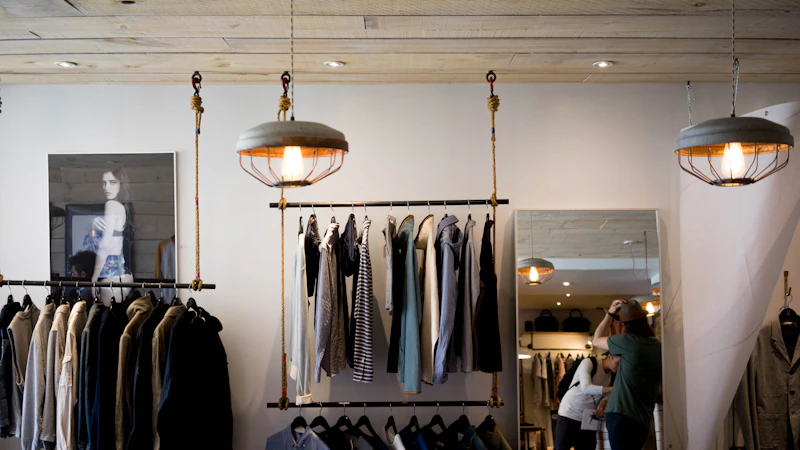
What is a shop-in-shop in fashion retail?
A shop-in-shop is a dedicated, brand-designed area inside a department store or multi-brand retailer that presents one brand's products as a store within the store.
In short
A shop-in-shop is a branded space within a larger retail store, with its own fixtures, visual merchandising and often dedicated staff. It lets a brand present a fuller assortment and consistent brand experience inside a partner's store. Commercial models range from classic wholesale to concession arrangements.
How does it work in practice?
Brand and retailer agree on location, size, fixtures and investment, often with the brand funding the furniture and design. The commercial model defines who owns stock, who staffs the space and how revenue is shared.
- Wholesale: the retailer buys stock and keeps the margin
- Concession: the brand owns stock and pays the retailer a commission
- Hybrid models with brand-provided staff or guaranteed margins
- Agreed standards for visual merchandising and assortment
Why does it matter for fashion businesses?
Shop-in-shops give brands visibility in high-traffic locations without the cost of a standalone store, and they usually perform better than products scattered across a floor. For retailers, they add attractive brand destinations and can shift inventory risk to the brand under concession models. Both sides need good data to judge performance per square metre.
How is AI changing it?
With shared POS data, AI models can plan assortment and replenishment for each shop-in-shop individually, much like an own store. Computer vision and footfall analytics can measure traffic and engagement within the space, helping brand and retailer decide on layout and staffing.
Common pitfalls
Contracts should also define what happens at refit or exit.
Successful shop-in-shops depend on close cooperation between brand and retailer teams. Regular performance reviews, shared data and clear responsibilities for staff, stock and presentation help both sides improve results season by season.
- Unclear split of costs for fixtures and refits
- No access to sales and stock data
- Assortments not adapted to the store's customer
- Staffing gaps when the brand relies on retailer employees
Frequently asked questions
What is the difference between a shop-in-shop and a concession?
A shop-in-shop describes the physical branded space inside a store. A concession describes a commercial model in which the brand owns the stock and pays a commission. Many shop-in-shops are run as concessions, but not all.
Who pays for a shop-in-shop?
Often the brand pays for fixtures and design, while the retailer provides the floor space. The details are negotiated per account and depend on the commercial model.