What is visual merchandising in fashion?
The practice of presenting products in stores and windows, through layout, displays, lighting and styling, to attract shoppers and drive sales.
In short
Visual merchandising is the art and discipline of presenting fashion products in a store, from windows and mannequins to fixtures, lighting and signage, so that they attract attention, communicate the brand and encourage purchase. It turns the assortment into outfits and stories that shoppers can easily understand and buy.
How does it work in practice?
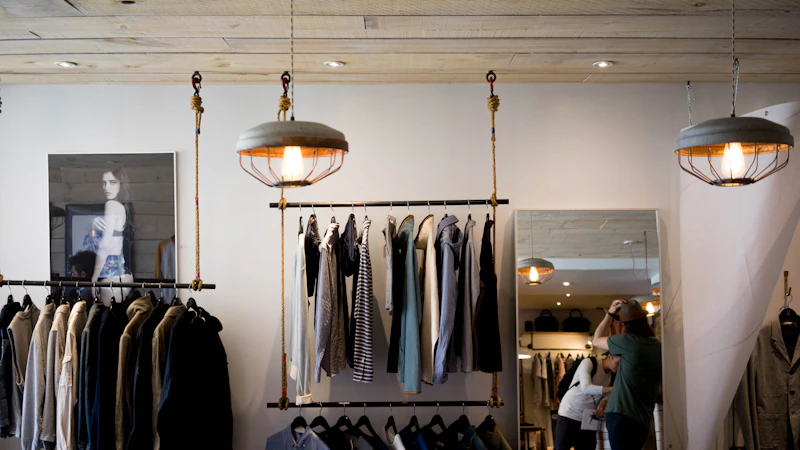
Visual merchandisers plan store layouts, decide which products go on which fixtures, build outfits on mannequins and design window displays for each season, drop or campaign. Common techniques include colour blocking, grouping by theme or occasion, placing key items at eye level and creating focal points at the store entrance. Head office teams usually issue visual merchandising guidelines and planograms that stores follow, with photos sent back for compliance checks.
For wholesale brands, visual merchandising extends into retail partners. Brands may provide fixtures, display guides, training or dedicated staff for shop-in-shops and concessions to protect brand presentation.
Why does it matter for fashion businesses?
Shoppers make many decisions in the store itself. Good presentation can draw people in from the street, guide them through the space and encourage them to buy complete looks rather than single items. Consistent visual merchandising also reinforces brand identity across stores and partners, which matters for brand perception and pricing power.
How is AI changing it?
AI helps generate store-specific layouts based on local sales, space and assortment. Computer vision checks compliance by analysing store photos against guidelines, and heatmaps from cameras show how shoppers move through and engage with displays. Generative AI is also used to visualise window and display concepts before they are built.
Common pitfalls
- Applying a single layout to all stores regardless of size, customers or local sales.
- Leaving displays unchanged for too long, which makes stores feel static.
- Showcasing outfits in displays that are not available in the right sizes on the shop floor.
Frequently asked questions
What does a visual merchandiser do?
A visual merchandiser plans and creates store displays, windows and product layouts. Their goal is to communicate the brand and seasonal story and to make products attractive and easy to shop.
What is the difference between merchandising and visual merchandising?
Merchandising decides what products to sell, in what quantities and at what prices. Visual merchandising decides how those products are presented physically in stores and windows.