What is trend forecasting in fashion?
The practice of predicting which colours, silhouettes, materials and styles customers will want in future seasons, increasingly supported by AI.
In short
Trend forecasting in fashion is the practice of predicting which colours, shapes, materials and styles customers will want in coming seasons. It feeds design, line planning and buying decisions, and today it combines expert judgement with data and AI analysis of images, search and sales signals.
How does it work in practice?
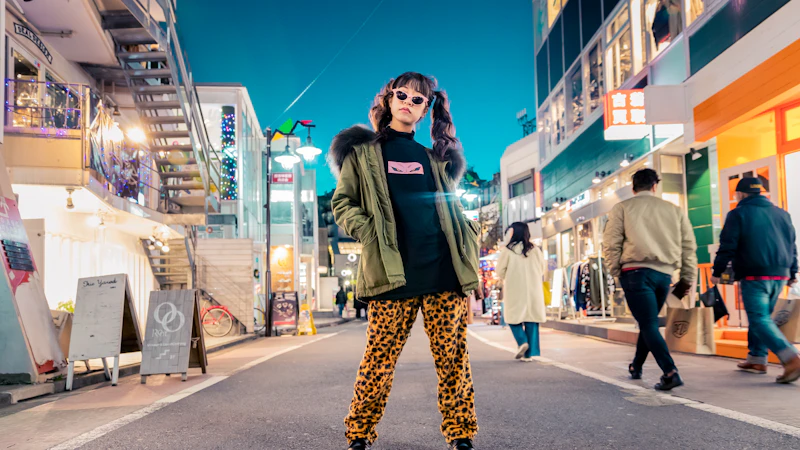
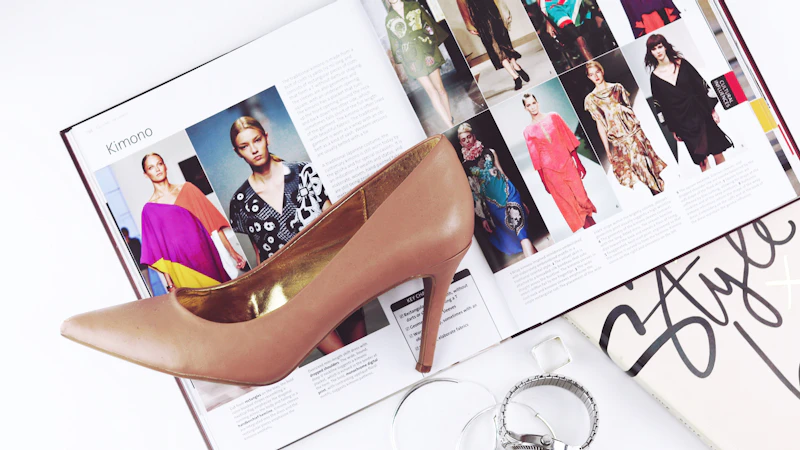
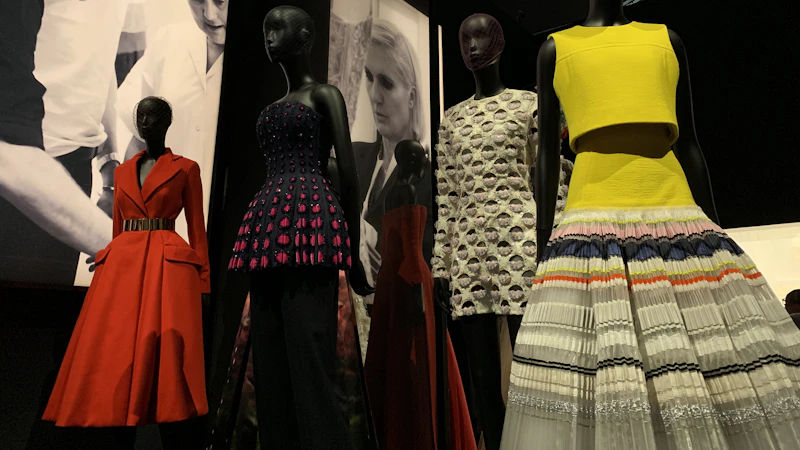
Forecasters gather signals from many sources: runway shows, trade fairs, street style, social media, culture and the brand's own sales history. They group these into themes, such as a colour story or a silhouette shift, and judge which themes fit the brand and its customers. The output usually becomes mood boards, colour palettes and guidance for the line plan. Buyers at wholesale accounts use similar insights to decide which styles to pick from a collection.
Why does it matter for fashion businesses?
Fashion has long lead times, so decisions about fabric and design are made well before demand is visible. A trend spotted too late means missed sales, while a trend backed too heavily ends in markdowns. Good forecasting helps brands decide not only what to make but how much commitment a trend deserves, for example testing it in a small capsule before building it into core ranges.
How is AI changing it?
AI uses computer vision to recognise garments, colours and details in large volumes of social and editorial images, then tracks how often they appear over time. Language models analyse search terms, reviews and product descriptions. Combined with sell-through data, these tools can estimate whether a trend is growing, peaking or fading, and how it differs by market or customer group. The best results come when data highlights candidates and experienced designers and buyers make the final call.
Common pitfalls
- Confusing short-lived social media noise with a lasting trend.
- Following generic trends that do not suit the brand's identity or customer.
- Treating trend signals in isolation from the brand's own sales data.
- Relying on image data that over-represents some markets or age groups.
Frequently asked questions
What is the difference between trend forecasting and demand forecasting?
Trend forecasting predicts which styles, colours and themes will become popular. Demand forecasting estimates how many units of specific products will sell, by size, store or channel, over a given period.
Can AI predict fashion trends?
AI can detect patterns and early signals across far more images and data than a human team could review. It is good at spotting and measuring change, but creative interpretation and brand fit still require human judgement.