AI design output review: 15 quality checks before handing to merchandising
Generative AI tools require systematic validation before files reach product development. Here are the technical, legal and brand checks design teams should perform.

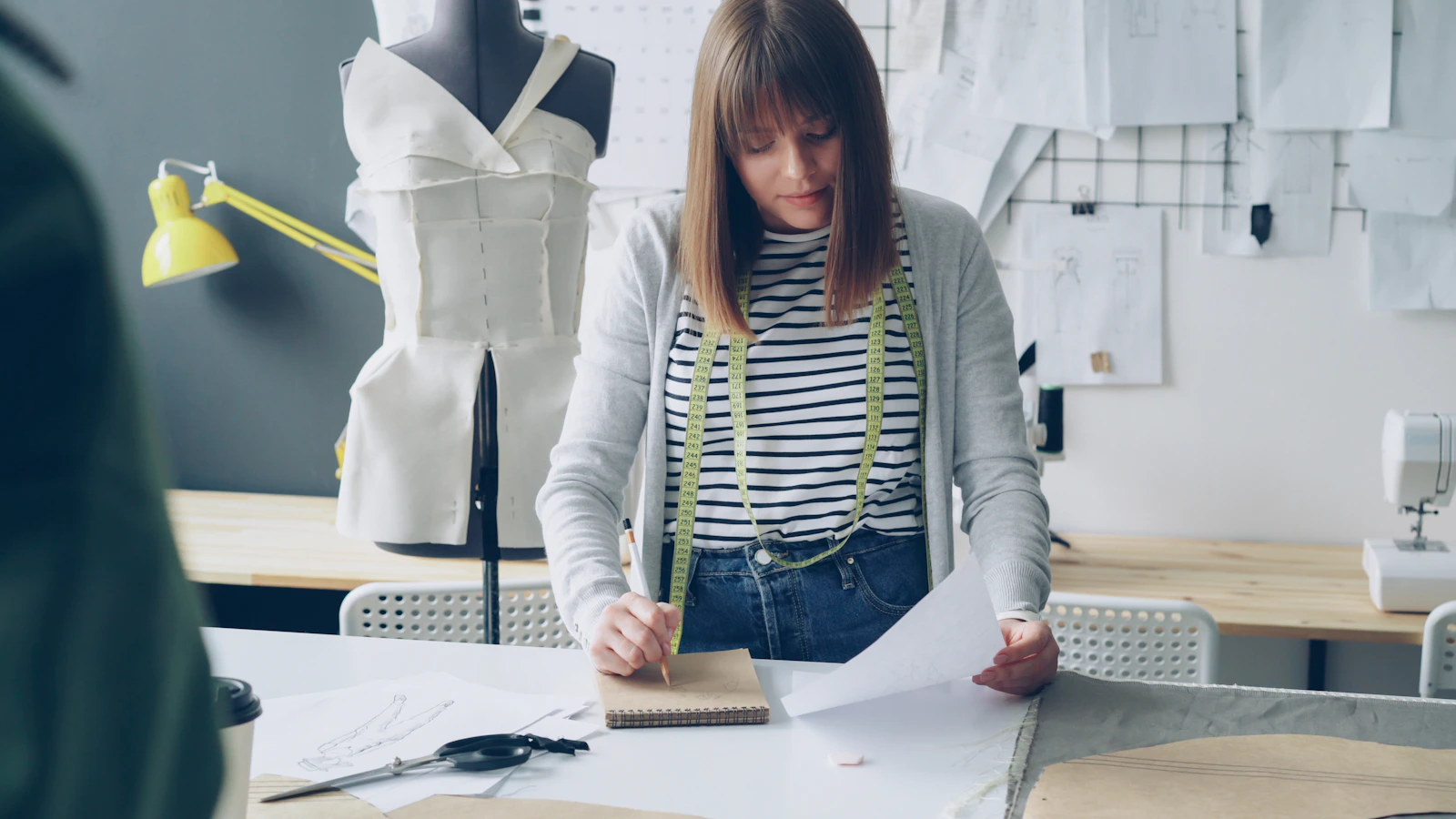
KEY TAKEAWAYS Summary by the editors
- Design teams should validate brand consistency by checking AI outputs against existing style guides, colour palettes and silhouette libraries before approval.
- Technical feasibility checks must confirm that AI-generated designs can be manufactured with available materials, construction methods and costing constraints.
- Intellectual property risk assessment should screen for similarity to existing designs, trademark conflicts and potential copyright infringement.
- Colour accuracy validation requires checking AI outputs against physical samples and ensuring colour codes translate correctly to production systems.
As generative AI tools move from experimentation to daily use in fashion design workflows, the gap between creative output and production-ready specifications has become a critical control point. Design teams adopting these technologies report that AI-generated designs require structured validation before moving to merchandising and product development. The following 15 checks provide a framework for evaluating AI design output across brand alignment, technical viability, legal risk and production readiness.
What brand consistency checks should design teams perform?
Brand integrity remains the first line of defence when reviewing AI-generated designs. Teams should verify that outputs align with established brand codes before any file progresses to the next stage.
- Style guide alignment: Compare AI outputs against documented brand aesthetics, signature details and design language to ensure visual consistency with existing collections.
- Colour palette compliance: Verify that generated colourways match approved seasonal palettes and core brand colours, checking both digital values and physical swatch references.
- Silhouette library check: Confirm that body shapes, proportions and fit profiles align with the brand's established fit standards and target customer expectations.
- Logo and branding placement: Review any brand marks, logos or graphic elements for correct sizing, positioning and application according to brand guidelines.
- Target customer fit: Assess whether the design language and styling details resonate with the brand's demographic and psychographic customer profile.
How do you validate technical feasibility of AI designs?
Many AI-generated designs look compelling on screen but prove impractical or impossible to manufacture at scale. Technical validation must happen before designs consume merchandising and development resources.
- Material availability: Confirm that fabrics, trims and components shown in the design exist in the supply chain or can be sourced within lead time and budget parameters.
- Construction method review: Verify that seam placements, closures and assembly details can be executed with available factory capabilities and equipment.
- Pattern engineering feasibility: Check that the design can be translated into viable patterns with appropriate seam allowances, grading rules and marker efficiency.
- Costing constraints: Validate that the design can be manufactured within target cost brackets when material, labour and overhead expenses are calculated.
- Sustainability requirements: Ensure that materials and processes meet any sustainability commitments or certifications the brand has pledged to customers or stakeholders.
What intellectual property risks need assessment?
Legal exposure represents one of the highest-stakes risks in AI-generated design work. Fashion companies face potential litigation if outputs infringe existing intellectual property rights, making thorough screening essential.
- Design database comparison: Screen AI outputs against internal archives and competitor product databases to identify potential similarity to existing designs that could trigger copying allegations.
- Trademark conflict check: Review any graphic elements, patterns or text features for potential conflicts with registered trademarks in relevant jurisdictions and product categories.
- Training data transparency: Document what datasets the AI tool was trained on to assess whether the output may inadvertently reproduce protected works from the training corpus.
How should teams verify colour accuracy for production?
- Physical swatch matching: Compare AI-generated colours against physical fabric swatches under controlled lighting conditions to verify that digital representations translate accurately.
- Colour code verification: Ensure that colour values generated by AI tools map correctly to production colour systems such as Pantone references or supplier-specific dye lot numbers.
- Print and digital rendering: Test how AI-generated colours appear when printed on paper and displayed on different screen types to identify potential reproduction issues across media.
What governance and documentation checks complete the review?
| Check category | Key validation | Owner |
|---|---|---|
| Version control | Confirm all files use correct naming conventions and version numbers | Design operations |
| Human authorship record | Document which elements were AI-generated versus human-created | Design lead |
| Approval sign-off | Secure formal approval from creative director before release to merchandising | Creative director |
The final governance layer ensures that design teams maintain clear records of how AI tools contributed to each design, who reviewed outputs at each stage, and who authorised progression to product development. This documentation proves essential both for internal quality control and for potential legal defence if intellectual property questions arise after products reach market.
Design teams integrating generative AI into their workflows report that systematic validation reduces downstream revisions and costly late-stage changes. By catching brand misalignment, technical impossibilities and legal risks before files reach merchandising, companies can harness AI's speed advantages without sacrificing the quality control that protects brand equity and profitability.
Frequently asked questions
Should design teams validate every AI-generated design or only selected outputs?
Teams should perform all 15 checks on any AI output that will progress to merchandising and product development. For early-stage ideation or mood boards that will not become products, a lighter review focusing on brand consistency and intellectual property screening may suffice.
Who should own the validation process when design teams use generative AI?
Responsibility typically sits with the design lead or creative director, but specific checks require input from pattern engineers for technical feasibility, legal counsel for intellectual property risk, and colour specialists for production accuracy. Cross-functional review produces the most thorough validation.
How long does a complete 15-point validation typically take?
Validation time varies by design complexity and team structure, but companies report that experienced teams can complete all checks in 30 to 90 minutes per design once processes and checklists are standardised. Initial reviews take longer as teams establish reference libraries and approval workflows.