Subscription models in fashion: design, pricing and retention tactics
Fashion subscriptions rely on flexible tiers, personalisation engines and churn management to balance acquisition costs with lifetime value.

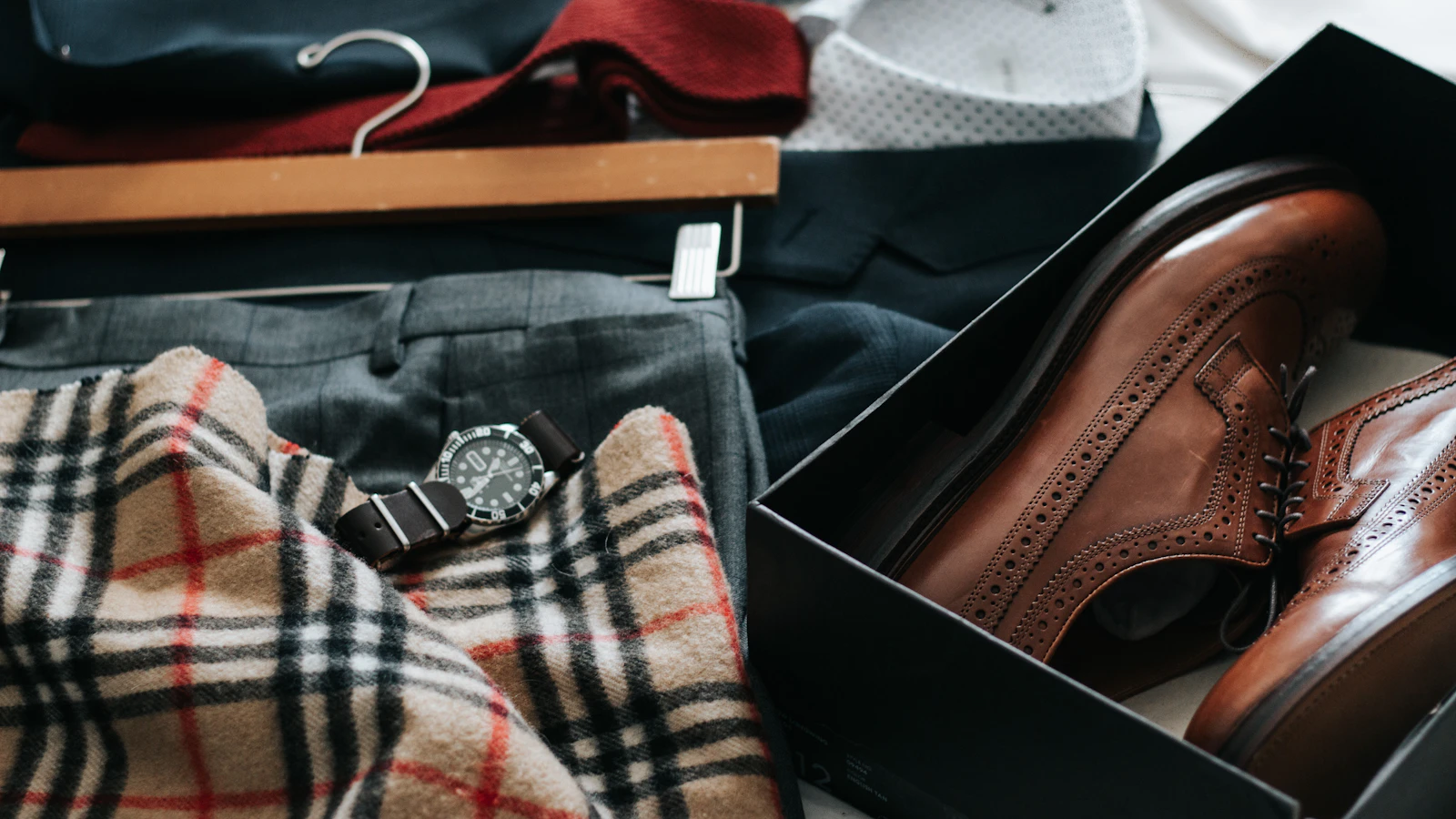
KEY TAKEAWAYS Summary by the editors
- Stitch Fix reported 2.5 million active clients in its fiscal 2025 third quarter, down from 2.6 million a year earlier.
- Nuuly grew to more than 125,000 active subscribers in fiscal 2025, representing 7 per cent growth.
- Subscription platforms typically use tiered pricing to segment customers by frequency and product access.
- Retention tactics include flexible pause options, loyalty credits and algorithm-driven personalisation to reduce churn.
Fashion subscription models combine recurring revenue with personalisation, but their success depends on carefully calibrated pricing tiers, product selection algorithms and churn reduction tactics. Recent data from established players and guidance from subscription platforms published in 2025 and 2026 show that profitable subscriptions require balancing customer acquisition costs against lifetime value, while managing inventory risk and maintaining flexibility that keeps subscribers engaged.
How are fashion subscription models structured?
Fashion subscriptions fall into three core frameworks: styling services that curate personalised boxes, rental models offering rotating wardrobes, and replenishment programmes for basics. Stitch Fix operates a styling service where customers receive personalised selections of clothing and accessories, keeping what they want and returning the rest. Nuuly, Urban Outfitters' rental subscription service, allows subscribers to rent six items per month from brands including Free People, Anthropologie and third-party labels. Each framework addresses different customer needs,styling services solve choice paralysis, rental tackles occasion wear and wardrobe variety, whilst replenishment automates routine purchases.
The structural choice determines inventory management, logistics complexity and margin profiles. Rental models require durable goods, reverse logistics and cleaning infrastructure, whilst styling services must balance personalisation accuracy with stock efficiency to minimise returns.
What pricing strategies do fashion subscriptions use?
Tiered pricing segments customers by frequency, product access and service level. Subscriptions typically charge monthly fees that function as credits toward purchases or unlock rental allowances. Stitch Fix charges a styling fee per Fix, which is credited toward any items the customer purchases from that shipment. Nuuly charges a monthly subscription fee of 98 dollars, with subscribers able to rent six items per month. This model converts the subscription fee into a purchase incentive or access right rather than a pure service charge.
Pricing must cover acquisition costs, fulfilment and product costs whilst remaining competitive with traditional retail. The key metric is customer lifetime value relative to acquisition cost,subscriptions require multiple billing cycles to reach profitability per customer, making retention economics critical.
How do personalisation and selection algorithms work?
Styling and rental services rely on algorithms that ingest customer preferences, purchase history, return patterns and implicit signals like browsing behaviour to predict product fit and taste. Stitch Fix uses data science and machine learning to match clients with clothing based on size, style preferences, price and lifestyle. The system learns from each interaction,what customers keep, return and rate,to refine future selections.
Effective personalisation reduces return rates and increases attachment, both critical for unit economics. However, algorithms require scale to perform well; early-stage services face a cold-start problem where limited data yields generic recommendations. Human stylists often augment algorithms, particularly for higher-tier customers, adding a service layer that justifies premium pricing and builds loyalty.
What are current performance and subscriber trends?
Stitch Fix reported 2.5 million active clients in its fiscal 2025 third quarter ended May 3, 2025, compared to 2.6 million in the prior-year period. The decline reflects broader headwinds in discretionary apparel spending and intensifying competition. Nuuly grew to more than 125,000 active subscribers in fiscal 2025, representing approximately 7 per cent growth. Rental subscriptions show resilience among younger consumers seeking wardrobe variety without ownership, though scale remains modest relative to traditional retail.
Subscriber counts fluctuate with marketing spend, seasonal demand and competitive pressure. The challenge is not merely acquiring subscribers but retaining them beyond the first few billing cycles, where churn rates typically peak.
What retention tactics reduce churn?
Churn management begins with flexible pause and skip options that accommodate customers' financial or lifestyle changes without forcing cancellation. Services that allow subscribers to pause for a month or delay shipments reduce involuntary churn and preserve the relationship for reactivation. Loyalty credits, referral bonuses and tiered benefits reward tenure, creating switching costs.
Key retention tactics include:
- Flexible scheduling and pause options to reduce cancellations during low-demand periods
- Loyalty rewards and credits that accumulate with tenure, increasing switching costs
- Algorithm refinement and feedback loops that improve product-customer fit over time
- Proactive outreach when engagement drops, such as offering styling consultations or discounts
- Transparent communication about stock availability, shipping and returns to manage expectations
Operational excellence in fulfilment and customer service also drives retention. Late shipments, poor product quality and cumbersome return processes trigger cancellations. Subscriptions require supply chain precision and responsive support to maintain trust.
What challenges do fashion subscriptions face?
Fashion subscriptions face structural challenges around inventory risk, returns logistics and customer acquisition costs. Styling services must carry broad assortments to serve diverse tastes, increasing working capital requirements. Rental models incur depreciation, cleaning and refurbishment costs that compress margins. Both models require sophisticated demand forecasting to match inventory to subscriber preferences without overstocking slow movers.
Acquisition costs have risen as digital advertising prices increase and consumer attention fragments. Subscriptions compete not only with each other but with traditional e-commerce, resale platforms and direct-to-consumer brands, all vying for the same discretionary spend. Profitability depends on extending customer lifetime value through retention and increasing average order value through upsells and cross-sells.
Regulatory and sustainability pressures also loom. Rental models face scrutiny over garment lifecycle impacts, cleaning chemistries and transport emissions. Transparency around data use for personalisation algorithms may face privacy regulations, particularly in jurisdictions with strict data protection rules.
Frequently asked questions
How many active subscribers do major fashion subscription services have?
Stitch Fix reported 2.5 million active clients in its fiscal 2025 third quarter, whilst Nuuly grew to more than 125,000 active subscribers in fiscal 2025, representing approximately 7 per cent growth.
What pricing models do fashion subscriptions typically use?
Fashion subscriptions charge monthly fees that serve as credits toward purchases or unlock rental allowances. Stitch Fix charges a styling fee per Fix credited toward purchases, whilst Nuuly charges 98 dollars per month for six rental items.
What are the main challenges for fashion subscription businesses?
Fashion subscriptions face inventory risk, high returns logistics costs, rising customer acquisition costs and the need to balance personalisation with stock efficiency. Profitability depends on extending customer lifetime value through retention and increasing average order value.