Hidden Champion: Archroma, the textile dye maker behind fashion's colours
The Swiss specialty chemicals firm supplies the dyes and chemicals that colour and treat textiles for brands from Patagonia to H&M, yet few outside the industry know its name.

KEY TAKEAWAYS Summary by the editors
- Archroma traces its heritage to 1886 when Kern and Sandoz began making textile dyes in Basel, evolving through Clariant before becoming independent in 2013.
- The company completed a 593 million dollar acquisition of Huntsman Textile Effects in February 2023, creating one of the largest textile chemicals portfolios globally.
- Post-acquisition, Archroma operates over 30 production sites across 42 countries with more than 4,000 employees serving 90 markets worldwide.
- The firm has integrated digital colour libraries into 3D design platforms and selected an AI-native procurement platform in July 2026 to transform sourcing operations.
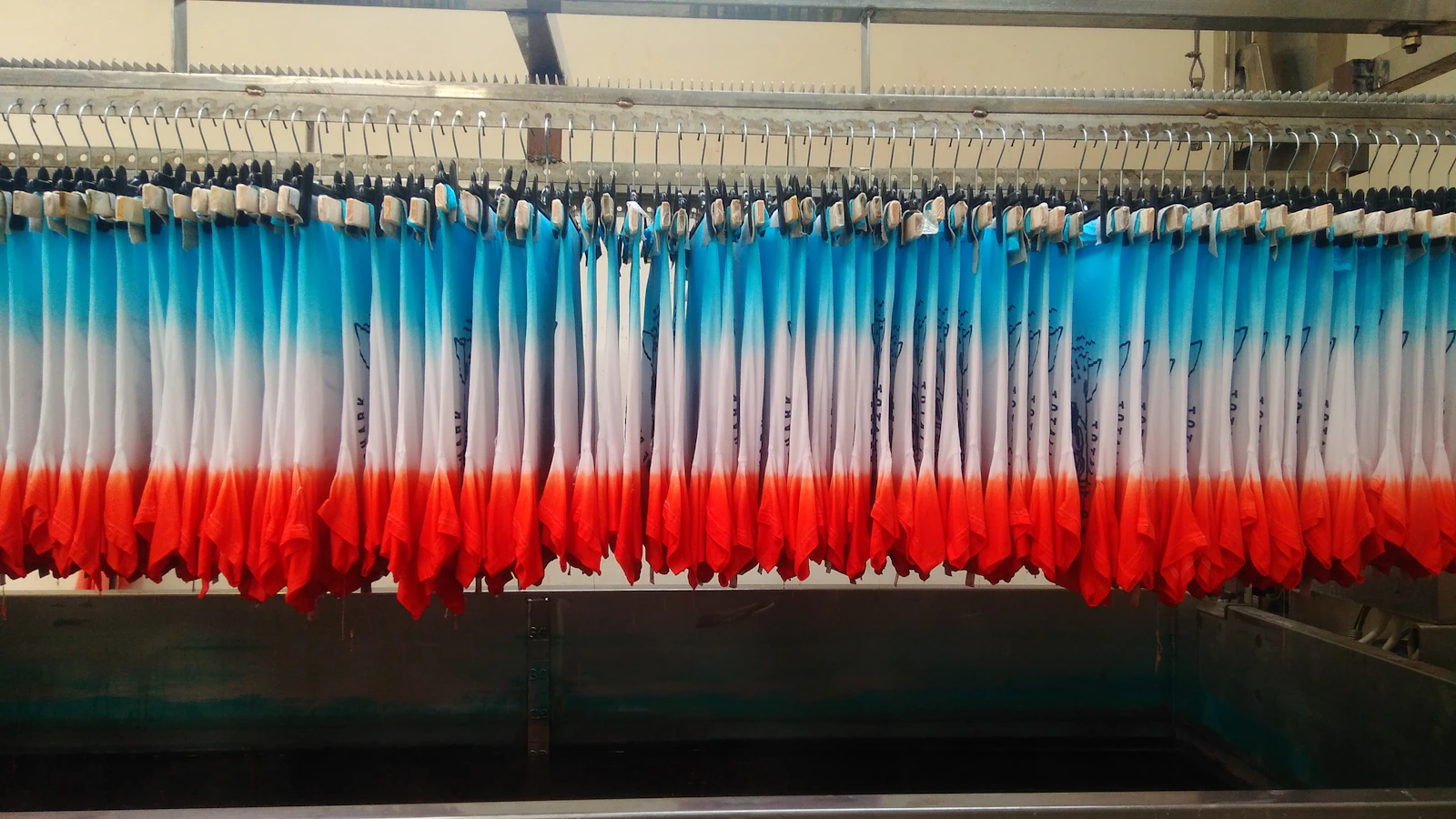
Every garment from Patagonia's outdoor wear to G-Star denim owes its colour and performance to chemicals most consumers never think about. Behind the fashion industry's vast palette stands Archroma, a Swiss specialty chemicals company that develops the dyes, auxiliaries and finishing agents that give textiles their colour, water repellency and durability.
The most striking fact about Archroma is its lineage: the company's heritage dates back to 1886, when textile dye-maker Kern and Sandoz was founded in Basel. Through more than 130 years of corporate transformations involving Sandoz, Clariant, and multiple acquisitions of BASF and Huntsman businesses, Archroma has assembled what industry analysts now describe as one of the most comprehensive textile chemicals portfolios in the world.
What does Archroma make and who uses it?
Archroma produces textile dyes and chemicals, serving the entire textile supply chain from fibre to finished garment. The company develops and offers textile dyes and special chemicals for the pretreatment, dyeing, printing and finishing of textiles, supporting brands and textile manufacturers throughout the entire textile supply chain, from fibre to finish.
The company's product range includes reactive dyes, disperse dyes, sulphur dyes, optical brightening agents, water repellents, softeners and performance finishes. Archroma developed Earthcolors, renewable raw material dyes synthesized from leaves and non-edible nut shells that would otherwise end up in landfills.
Verified customer brands using Archroma solutions include Primark, G-Star, Patagonia and Esprit. The company offers Advanced Denim, a sulfur dyes-based concept allowing water and resource savings, used by brands such as Patagonia. Fashion brands Vogue, NU-IN, Tom Tailor, Esprit and Armed Angels have created sustainable capsule collections dyed with Earthcolors technology. Notable customers include Patagonia, H&M and Artistic Milliners.
How large is the company and who owns it?
Archroma was created in 2013 from the former textile, paper and emulsions business of Clariant and is owned by investment firm SK Capital Partners. In September 2013, SK Capital acquired the Textile Chemicals, Paper Specialties, and Emulsions businesses from Clariant. The three divisions were combined into an integrated, market-focused, and collaborative company and was renamed Archroma upon becoming an independent entity.
The company's most significant move came in February 2023. Archroma completed the sale of Huntsman's Textile Effects Business for a purchase price of 593 million dollars. The transaction had an enterprise value of 718 million dollars. The integrated company now has more than 5,000 employees across 42 countries and 35 production sites, including Huntsman Textile Effects' 2,300 staff.
Current operational scale is substantial. Archroma works with over 4,000 employees in 42 countries and with over 30 production sites. The company operates a highly integrated, customer-focused platform that delivers specialized performance and color solutions in over 90 countries.
Financial performance data is limited as the privately held company does not publish consolidated results. Archroma's total revenue for FY2020 was 1.115 billion dollars. 2024 textile-chemical revenue reached 1.95 billion dollars with an EBITDA margin of 15.6 per cent.
Source: Archroma, LinkedIn 2026
Why does Archroma lead its niche?
Scale through acquisition has been central to Archroma's strategy. Archroma acquired BASF's global textile chemicals business, further solidifying its position as an industry leader in supplying chemicals and dyes to the textile industry. The BASF acquisition, completed in 2015, added manufacturing capacity and market positions in Asia.
Archroma's 2023 acquisition of Huntsman Textile Effects created a clear leader. Archroma holds approximately 9 to 12 per cent revenue share and is positioned as global leader after Huntsman Textile Effects integration. Market research firms consistently list Archroma alongside BASF, DyStar Group, Dow and Huntsman as major players, with Archroma, Dow, DyStar Group, Huntsman International and BASF as the major companies operating in the textile chemicals market.
The company's competitive advantage rests on breadth. The combination with Huntsman Textile Effects and its rich historical roots will create a technology company that includes Archroma's legacy heritages of Sandoz, Hoechst, Clariant, BASF and Dohmen who have been at the cutting edge of the textile industry for decades. Few competitors can match this combination of dye chemistry, auxiliaries, finishes and global manufacturing footprint.
Sustainability credentials provide differentiation. Archroma has become the go-to partner for many brands in fashion, outerwear, packaging or home decoration, looking to integrate sustainable innovations and solutions in their products, helping customers address growing expectations of the public in terms of keeping consumers and the environment safe. Along with Stella McCartney, Marzotto Wool Manufacturing, Fashion for Good, and 13 other entities, Archroma represents one of the 2 dyes and chemical suppliers part of the BioCircular Materials Alliance.
How does Archroma use technology and digital tools?
Archroma has invested significantly in digital colour management systems to integrate with fashion's increasingly digital workflows. The Color Atlas by Archroma, the industry's largest library of colors for cotton and polyester, empowers fashion designers and stylists with off-the-shelf color inspiration. The company won a Just Style 2023 Excellence Award for this digital platform.
Partnerships with 3D design software providers extend Archroma's reach into digital product development. Archroma and Browzwear, a pioneer of 3D digital solutions for the fashion industry, have expanded their partnership to bring the complete Color Atlas by Archroma library of colours to Browzwear's VSticher, Lotta and Stylezone platforms. Pointcarre systems are trusted by some of the world's most iconic brands, from Ralph Lauren, Nautica and Centric Brands to Decathlon, Tommy Hilfiger, Sage Mills and Eddie Bauer, and Archroma has integrated its colour portfolio into Pointcarre's textile design software.
On the procurement side, Archroma made a significant technology selection in 2026. In July 2026, Archroma selected GEP Quantum Intelligence to transform its sourcing operations. Built on a unified, AI-native architecture, GEP Quantum Intelligence enables organizations to automate sourcing and procurement processes. The platform combines intelligent automation, advanced analytics and agentic AI to help procurement teams work faster.
Archroma Germany has invested in cloud applications and AI-driven platforms to optimize efficiency and growth, though specific AI applications in dye formulation or process optimization are not publicly documented. The company's digital strategy appears focused on colour management, design workflow integration and enterprise systems rather than production automation.
What risks and competition does it face?
The textile chemicals market is moderately fragmented with several established competitors. Major companies operating in the textile chemicals market are Archroma, BASF, Huntsman International, DyStar Group, Clariant, Covestro, EVONIK, Solvay, Lubrizol, LANXESS, Dow, Kemira, Kiri Industries, Tanatex Chemicals and RUDOLF Holding. DyStar Group, owned by Kiri Dyes and Longsheng Group of China, remains a formidable competitor with strong positions in reactive and disperse dyes.
Chinese producers represent an ongoing competitive threat. Major companies operating in the textile dyes market include Zhejiang Longsheng Group, Zhejiang Jihua Group and Zhejiang Runtu, which can compete on price though often not on technical service or sustainability credentials.
Regulatory pressure is intensifying. European restrictions on hazardous chemicals, ZDHC (Zero Discharge of Hazardous Chemicals) standards adopted by major brands, and consumer demand for transparency all require continuous reformulation and documentation. This benefits established players like Archroma with deep technical resources but increases compliance costs.
Integration risk from the Huntsman acquisition remains material. Combining two large organizations with different cultures, systems and product portfolios takes years. The acquisition created a much larger organization, with the industry's most extensive portfolio of textile dyes and specialty chemicals, as well as a global network of more than 30 production sites, but realizing synergies requires flawless execution.
Market cyclicality poses challenges. Business performance is affected by fluctuations in the textile and chemical markets. When fashion brands and textile mills reduce production, dye and chemical demand drops proportionally. The concentration of textile manufacturing in Asia exposes Archroma to regional economic volatility.
- 1886Kern and Sandoz founded in Basel to produce textile dyes
- 1995Clariant formed as spin-off from Sandoz
- 2013SK Capital acquires textile, paper and emulsions businesses from Clariant to create Archroma
- 2015Archroma acquires BASF's global textile chemicals business
- 2018Company acquires M. Dohmen textile dyes business
- 2023Completes 593 million dollar acquisition of Huntsman Textile Effects
- 2026Selects AI-native procurement platform to transform sourcing operations
Source: Archroma sustainability reports, SEC filings
What can fashion companies learn from Archroma?
First, heritage matters but only when combined with continuous renewal. Archroma leverages 138 years of dye chemistry knowledge yet invests heavily in bio-based alternatives like Earthcolors and digital colour management. Fashion executives should ask: are we preserving core capabilities whilst investing in next-generation solutions?
Second, consolidation creates competitive advantage in specialized B2B markets. By acquiring BASF's textile business and then Huntsman Textile Effects, Archroma assembled the scale to serve global brands across all textile categories. Few fashion suppliers have pursued similar buy-and-build strategies systematically.
Third, digital integration with customer workflows builds stickiness. Archroma's Color Atlas integrated into Browzwear, Pointcarre and swatchbook makes it easier for designers to specify Archroma dyes from the earliest design stages. Fashion companies should consider how their products or services could embed into customers' digital workflows rather than remaining standalone offerings.
Fourth, sustainability credentials are table stakes for B2B suppliers to leading brands. Both Archroma and Textile Effects are founding members of Sustainable Chemistry for the Textile Sector. Brands increasingly audit chemical suppliers' environmental performance. Suppliers without credible sustainability programmes will lose access to premium customers.
Finally, private equity ownership can enable long-term transformation that public markets might not support. SK Capital has owned Archroma since 2013, providing patient capital for acquisitions, R&D investment and manufacturing upgrades. The model demonstrates that B2B specialty companies can thrive outside public markets when backed by sector-focused investors.
Frequently asked questions
What is the difference between textile dyes and textile chemicals?
Dyes provide colour to fibres and fabrics, whilst textile chemicals include the full range of auxiliaries, finishes and processing agents used throughout manufacturing. These include pretreatment chemicals that prepare fabrics for dyeing, auxiliaries that help dyes penetrate fibres, and finishing chemicals that add properties like water repellency or softness. Archroma supplies both dyes and the supporting chemicals needed for textile production.
Why do fashion brands not make their own dyes and chemicals?
Textile chemistry requires specialized knowledge, manufacturing facilities with strict environmental controls, and economies of scale to produce thousands of formulations cost-effectively. Even the largest fashion brands source dyes and chemicals from specialists like Archroma rather than developing these capabilities in-house. The complexity of formulation, regulatory compliance and global logistics makes vertical integration impractical for most brands.
How does Archroma's acquisition of Huntsman Textile Effects change the competitive landscape?
The acquisition consolidated two of the industry's largest textile chemicals portfolios, creating what market analysts describe as one of the clearest leaders in the sector. The combined entity has more than 5,000 employees, over 30 production sites and serves 90 markets. This scale provides advantages in serving global brands that need consistent supply across multiple regions and textile categories.
Sources
- Archroma: Sustainability Report FY2020
- Huntsman Corporation: Form 10-K FY2023
- Sourcing Journal: Archroma Launches Fully Traceable Dyes Made from Natural Waste
- Market Research Future: Textile Chemicals Market Size, Share & Forecast Report 2035
- Archroma: EarthColors sustainable dyes
- GEP: Global Specialty Chemicals Leader Archroma Selects GEP's AI-Native Procurement Platform
- Sourcing Journal: What's Changing Now that Archroma Owns Huntsman's Textile Effects Business
- Archroma: Sustainability Report 2024