
Inès Moreau
Covers EU regulation, circularity and the product data behind sustainable fashion.
Articles by Inès Moreau

How does PUMA use generative AI for campaign imagery and product content?
PUMA uses Google's Imagen models to generate localised backgrounds and handle routine image editing for its online shop. The case shows where generative imagery works for a global brand and what it depends on.

How Decathlon uses AI for demand forecasting and supply planning
Decathlon forecasts weekly demand for up to 25,000 products per supply zone and has moved to a fine-tuned time series foundation model. What it published about accuracy, cost and the limits.
How does The RealReal use AI for authentication, pricing and intake?
The RealReal pairs human authenticators with image tools, prices most items algorithmically and is moving intake onto an AI system called Athena. What it has disclosed, and what the model means for resale.

GEO content checklist: 15 things that make fashion product pages citable by AI
AI assistants cite pages that state facts clearly, can be crawled and agree with other sources. This checklist covers access, product facts, structured data and content for fashion product pages.

Generative design tools for fashion compared: image, pattern and 3D in 2026
Image generators, print tools, pattern software and 3D simulation do very different jobs. A sober comparison of what each category delivers in a fashion design studio, and where human expertise still decides.

Can brands safely use generative AI on their own design archives?
Using an archive with generative AI raises two questions: what the base model was trained on, and what rights the brand holds in its own material. Where law and contracts stand in 2026.

How to fine-tune an image model on your brand archive
Fine-tuning teaches an image model a brand's prints, silhouettes and visual codes. A step-by-step guide to data preparation, method choice, licensing checks and evaluation, with realistic expectations.

Can AI generate tech packs? What works from sketch to specification
AI can now draft parts of a tech pack from drawings and product data, but construction, fit and factory detail still need technical designers. A practical guide to what to automate and what to keep human.

AI for prints and repeats: a workflow from prompt to production file
Generative AI can produce motifs and seamless patterns in seconds, but a print is only usable once scale, repeat, colours and rights are under control. A step-by-step workflow for textile print teams.

Sketch to 3D: how does AI turn drawings into 3D garments?
AI is starting to read fashion sketches and produce sewing patterns and draped 3D garments. How the technology works, what research shows, what commercial 3D tools already do and where the limits are.

Virtual try-on in 2026: generative, 3D and AR approaches compared
Generative image try-on, measurement-based 3D avatars and camera-based AR answer different shopper questions. A sober comparison of what each needs, what it delivers and where it falls short.

Body scanning and AI made-to-measure: is on-demand fit ready to scale?
Phone-based body scanning now reaches millions of shoppers, but made-to-measure production remains a niche. What the technology can do, what on-demand manufacturing requires, and where the bottlenecks are.

QR code, NFC or RFID: which data carrier for the digital product passport?
The EU's digital product passport needs a physical link between garment and data. A practical comparison of QR codes, Data Matrix, NFC and RFID, and what the ESPR actually requires.

How is AI used in fashion logistics and warehouses?
From picking robots to slotting and delivery date promises, AI is moving into fashion fulfilment. What is deployed, what it depends on, and why soft, varied products remain hard to automate.

How is AI used in fashion sourcing for cost modelling and supplier negotiations?
AI can break down garment costs, compare quotes and prepare negotiations. What works, what consultancies claim, and why trust and supplier relationships still decide outcomes.

How can fashion brands use AI scenario planning for tariffs and sourcing in 2026?
US tariff rules changed again in 2026, and trade flows in apparel are shifting. How AI-supported scenario planning helps brands compare sourcing options, and why it cannot predict policy.

What is computer vision in fashion? From defect detection to shelf monitoring
Computer vision lets machines read images and video: spotting fabric faults, tagging product photos, powering visual search and checking shelves. What it does, what it needs and where its limits lie.
AI in fashion design: how design teams actually use it
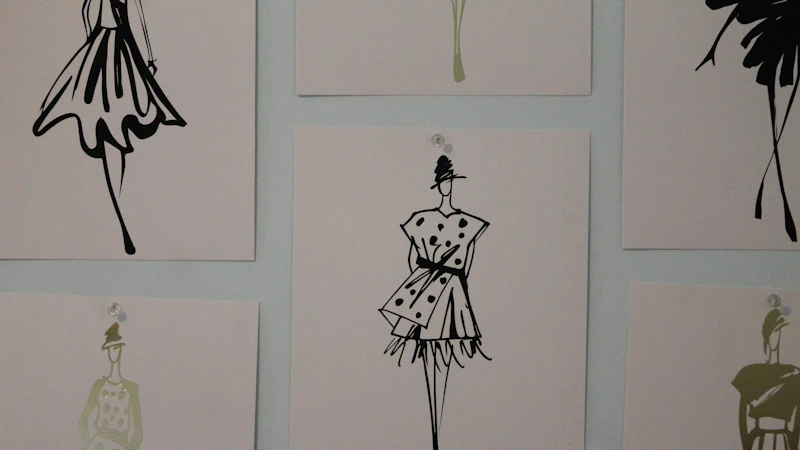
Generative AI has moved into the design studio, but mostly as a fast sketchpad and visualisation tool. Here is where it helps designers, where it falls short and what teams need before they rely on it.
Who owns an AI-generated fashion design? Copyright and IP explained
Courts and copyright offices agree on one point: protection needs a human author. What that means for prints, sketches and garments made with AI tools, and how fashion brands can protect their work.

AI for fashion product data: attributes, tech packs and enrichment at scale
Webshops, marketplaces, wholesale partners and AI shopping assistants all depend on complete product data. How AI extracts attributes, writes descriptions and checks records, and where humans stay in the loop.
How is AI used in the fashion supply chain?
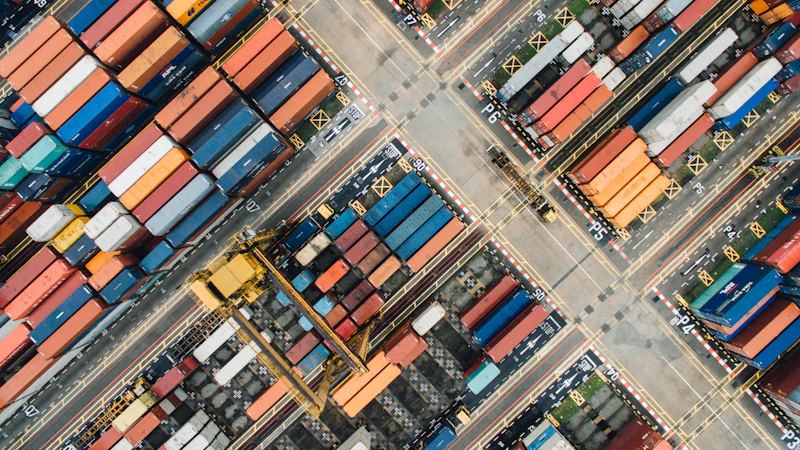
From demand planning to warehouse robots and supplier monitoring: where AI already works in fashion supply chains, what data it needs and where its limits are.
Can AI make fashion more sustainable?
AI can help fashion make fewer unwanted products and manage new EU rules, but it also uses energy and cannot fix a business model on its own. A sober look at both sides.
How does AI detect defects in fabrics and garments?
Computer vision is moving textile inspection from the human eye to cameras and models. How it works, where it is used, and why data and defect definitions matter most.
How can AI monitor supplier risk and compliance in fashion?
Forced labour rules and due diligence laws push fashion companies to know their suppliers better. AI can scan documents and signals at scale, but it cannot replace audits and engagement.
How Uniqlo and Fast Retailing use AI and data in the Ariake Project
Fast Retailing's Ariake Project aims to make and sell exactly what customers want, when they want it. How AI, shared data and automated warehouses fit in, and what the group has disclosed.

AI for fashion designers: tools, workflows and limits
How fashion designers use generative AI for research, moodboards, colour, prints and early concepts, where it falls short on construction and fit, and what copyright and labelling rules mean.

Retailer compliance manuals and chargebacks: what EDI and labelling failures cost
Retailers publish vendor compliance rules and deduct from invoices when deliveries, labels or EDI documents break them. How the system works, where brands lose money and how to push back.
How do fashion brands syndicate product data to retailers and marketplaces?
One PIM, many channels: how to structure, map and validate fashion product data so wholesale partners and marketplaces accept it the first time, and where AI helps.
How do you extend a PIM data model for the Digital Product Passport?
The textile DPP delegated act is planned for 2027. Here is how fashion brands can prepare their PIM data model now: identifiers, materials, supply chain, care and end of life data.
Trend forecasting platforms compared: what do WGSN, Heuritech and others measure?
Trend platforms differ less in their AI than in the data they watch. What WGSN, Heuritech, Trendalytics and EDITED measure, and how to choose.
Take-back programmes: what data do fashion brands need to collect and report?
Textile EPR and the EU ban on destroying unsold clothes turn garment take-back into a data discipline. This checklist covers collection, sorting, reuse and reporting data from store counter to recycler.

Where does DPP data live? PLM, PIM, ERP and the passport platform explained
A Digital Product Passport draws on data spread across design, product, transaction and supplier systems. Which system should own which attribute, and how should they connect to a passport platform?

DNA tracers, isotopes, RFID or blockchain: which traceability technology works?
Fashion traceability tools answer different questions. DNA markers and isotope tests check the material, RFID tracks the item, and blockchain secures the record. A sober comparison of what each can prove.
PLM explained: how collections move from sketch to sample
Product lifecycle management is where a collection is designed, specified, costed and sampled. Here is what PLM does, who uses it and what to expect from it.

PIM explained: why product data is a fashion brand's hidden asset
A product information management system holds the content that sells: descriptions, attributes, images and translations. Here is why it matters for every channel, wholesale included.
Product master data: the unglamorous key to digital fashion
Style numbers, colour codes, size scales and identifiers decide whether showrooms, portals, feeds and invoices work. A practical guide to getting product master data right.
Lead times in fashion: why a season starts a year early
From trend research to delivery in store, a traditional fashion season takes many months to build. Where the time goes, what drives it and how brands compress it.
Nearshoring in fashion: the trade-offs
Moving production closer to end markets promises speed, flexibility and resilience. It also raises unit costs and narrows capability. How to decide what to bring closer and what to leave.
The Digital Product Passport explained for fashion brands
The EU is building a digital identity for products sold in its market. Here is what the passport will mean for apparel, what is still open and how brands can prepare their data now.

ESPR explained: what the EU ecodesign regulation means for textiles
The Ecodesign for Sustainable Products Regulation extends EU product design rules to clothing and footwear. What it requires, what is already in force and what is still being drafted.
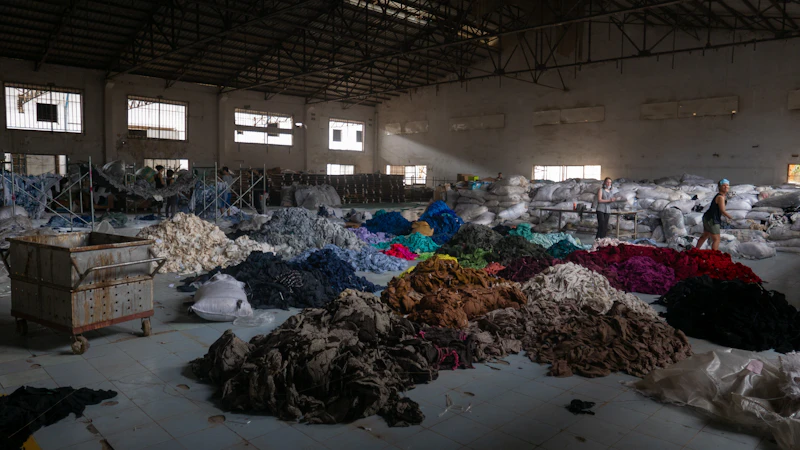
Extended producer responsibility for textiles, explained
The revised EU Waste Framework Directive makes producers pay for the collection, sorting and recycling of used clothing and footwear. Who counts as a producer, what it costs and when it starts.
Overproduction in fashion: causes and levers
Making more than can be sold at full price is built into how fashion plans, buys and produces. Why it happens, why regulation now raises the stakes and which levers actually work.

Supply chain traceability in fashion: where to start
Regulators, retailers and consumers increasingly ask where clothes come from. A practical guide to mapping suppliers, collecting data and building traceability step by step.

Green claims in fashion: how to communicate without greenwashing
From 27 September 2026, new EU consumer rules ban vague environmental claims and unreliable labels. What changes for fashion marketing, product pages and wholesale copy.
Resale and recommerce: how second-hand reached the brands
Second-hand fashion has moved from charity shops and peer-to-peer platforms into brand-run programmes. The main models, what they require and where they fit in a brand's strategy.
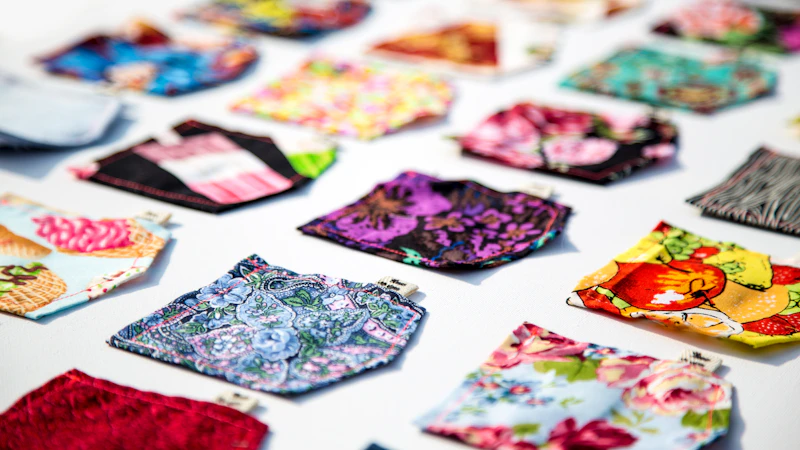
Circular design principles for fashion collections
A garment's end of life is largely decided at the design desk. The principles of circular design, how they translate into collection work and the trade-offs designers face.

3D design and digital samples: fewer physical samples, faster decisions
3D garment simulation lets teams review fit, colour and assortment on screen before a single sample is sewn. How it works, where it saves time and material, and where physical samples still win.
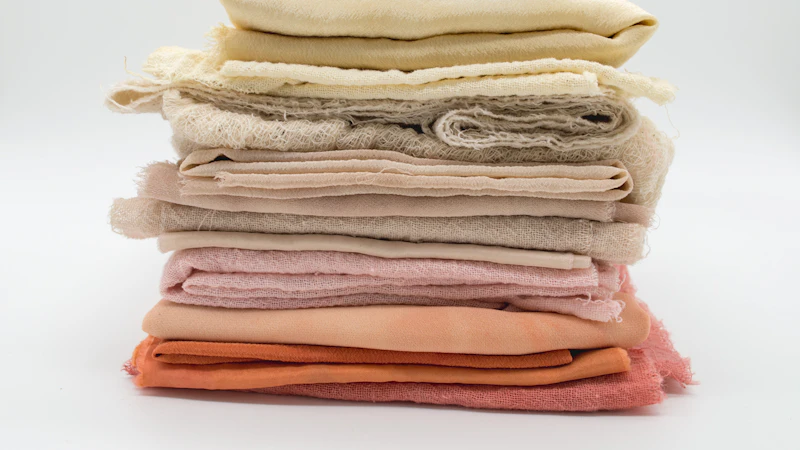
Textile certifications decoded: what the main labels actually cover
Organic, recycled, tested for harmful substances, responsibly sourced: textile certifications cover very different things. A guide to the main standards and how to use them in claims.
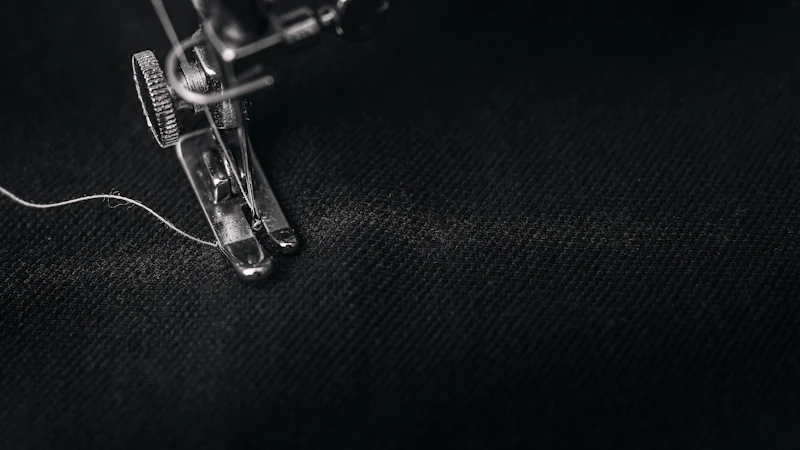
Made-to-order and pre-order as sustainability tools
Producing against confirmed demand rather than forecasts can reduce surplus stock. Where made-to-order and pre-order work, what they demand from operations and where their limits lie.

Sharing sustainability data with retail partners: a practical guide
Retailers increasingly ask brands for material, origin and certification data per product. What they need, how to structure it and how to keep claims consistent across channels.