Why digital colour fails: colour management from screen to fabric
Screens emit light, fabrics reflect it, and dyes behave differently on each material. How measurement and digital approval narrow the gap.

KEY TAKEAWAYS Summary by the editors
- Screen colour and fabric colour differ because screens emit light while fabrics reflect it, and because the same dye can look different on different fibres.
- Spectral measurement with a spectrophotometer, together with agreed tolerances and illuminants, gives a more reliable colour specification than a screen image.
- Digital lab dip approval replaces shipping physical samples with measured data, but the speed and accuracy figures published so far come from vendors.
- Metamerism, where two colours match under one light and differ under another, is why approvals should specify the lighting conditions.
- ICC colour management keeps colour consistent across devices and documents, but it does not turn a screen image into a dye recipe.
Digital colour fails because a screen emits light in a limited range, a fabric reflects light according to its fibre, dye and finish, and each viewer sees the result under different lighting. Colour management reduces the gap by using measured values instead of visual judgement and by agreeing on tolerances and lighting. It narrows the gap but does not remove it.
Why does a colour look different on a screen and on fabric?
- A screen emits light; fabric reflects it, so appearance depends on the light source.
- Displays vary in calibration, brightness and colour range unless managed.
- The same dye recipe can look different on cotton, nylon or polyester, as well as on different weaves and finishes.
- Texture and sheen change perceived colour, which a flat image cannot represent.
- Metamerism: colours can match under one light and differ under another.
The International Color Consortium (ICC) promotes open, vendor-neutral colour management based on ICC profiles, which aims to keep colour consistent between devices and documents. This helps images look alike across screens and printers. It does not define how a dye will behave on a particular yarn.
How is colour specified more reliably?
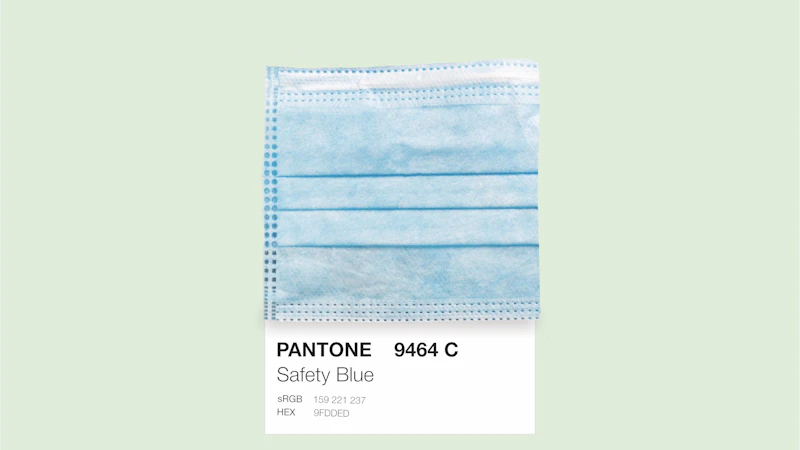
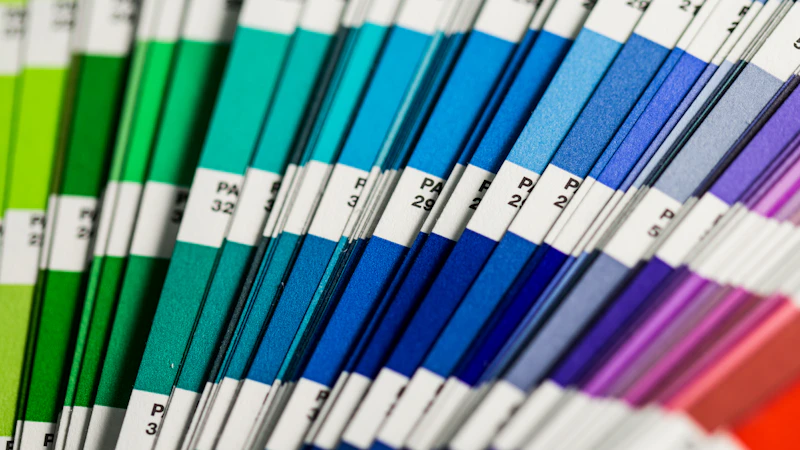
Textile colour workflows rely on measurement. X-Rite describes brands sending a colour specification document with spectral data, tolerances and illuminants, so suppliers formulate and measure against numbers rather than a screen preview. Pantone colour libraries can be imported or a physical sample measured into a private library. A tolerance (commonly expressed as a colour difference value) states how far a supplier's result may deviate and still be accepted. The specification should also state the light under which the colour is judged, which is where metamerism checks come in.
| Aspect | Physical lab dip approval | Digital approval with measured data |
|---|---|---|
| What travels | Dyed swatches by courier | Spectral data and tolerances, with samples measured on site |
| Judgement | Visual, under the viewer's light | Measured against tolerance, with visual check |
| Cost and time | Shipping and rework per colour and supplier | Fewer shipments, according to vendors |
| Requirements | Courier, light booth | Calibrated spectrophotometers at supplier and brand |
| Risk | Slow, subjective | Depends on instrument calibration and agreed tolerances |
Does digital approval actually save time?
X-Rite and Pantone claim that about 95% of lab dips are correct at the first attempt and that approval cycles fall from 40 to 50 days to about 10 in their Textile Color Hub workflow, with time to market cut by 75%. These are the vendors' own figures, published without methodology, so treat them as claims to test in a pilot rather than as benchmarks. The mechanism is plausible: fewer physical shipments and clearer correction instructions reduce rounds of rework. Results will depend on supplier adoption and instrument consistency.
What does AI add to colour work?
AI and software can help with colour matching, recipe suggestions and visual rendering, but they inherit the physical limits above. A generated or rendered image is still shown on a screen. For production decisions, measured values and a physical check on the actual fabric remain the reference. Any AI colour tool should be evaluated against measured samples, on the fibres you use.
What should a team do in practice?
- Define a colour standard: library, measurement method, illuminants and tolerance.
- Calibrate or standardise the displays used for design and approval.
- Share measured data with suppliers, not only screenshots.
- Require suppliers to report metamerism checks for critical colours.
- Keep a physical reference for each approved colour, and pilot digital approval on a limited set before scaling.
What are the limits and open questions?
Several limits remain. Digital approval depends on suppliers owning calibrated instruments and following the same procedure, and smaller mills may not. Published results come from the vendors' own materials and give no independent methodology, no tolerance values and no cost data. Colour on a given fibre can still differ from the measured lab dip once bulk production, finishing and washing are applied, so bulk approval remains necessary.
There is also a human factor. Designers choose colours on screens, buyers judge them in showrooms and consumers see them on phones. Each stage has its own lighting and device. Teams that agree a common viewing condition, and say so in the specification, remove one source of dispute. Anyone buying colour software should ask for a pilot with their own suppliers, and for evidence on first-time lab dip success under their conditions.

What data should a colour specification contain?
Based on the workflow X-Rite describes, a colour specification for a supplier should contain the target colour as spectral data or a measured library entry, the tolerance, the illuminants under which the colour will be judged, the substrate (fibre, construction and finish) and the approval route if the result falls outside tolerance. Without the substrate, a supplier cannot know whether the target is achievable on the chosen material.
| Element | Why it matters |
|---|---|
| Target (spectral data or library reference) | A number, not a screen impression |
| Tolerance | Defines what counts as a pass |
| Illuminants | Controls for metamerism |
| Substrate | Same dye looks different on different fibres and finishes |
| Correction route | Tells the supplier how to adjust, for example by L*a*b* values |
Brands that give suppliers this information, rather than a swatch photograph, reduce ambiguity. It also makes it possible to audit the process: if the data and the result are recorded, disputes can be settled by reference to measurements instead of opinion.
A practical first step is a small pilot: choose a handful of colours and two or three cooperative suppliers, run both the physical and digital routes in parallel, and compare rounds of rework and elapsed time. The comparison gives your own evidence, which is more persuasive internally than any vendor statistic.
Frequently asked questions
Why does colour look different on screen and on fabric?
Screens emit light while fabrics reflect it, displays vary, and the same dye behaves differently on different fibres and finishes.
What is metamerism?
Metamerism is when two colours appear to match under one light source but differ under another, which is why approvals should state the lighting conditions.
What is a lab dip?
A lab dip is a small dyed sample made by a supplier to show whether a requested colour can be matched on the actual material, traditionally shipped to the brand for approval.
Can digital colour approval replace physical samples?
It can reduce shipments by working from measured data, but vendors' claims are unverified and many teams keep a physical reference for critical colours.
One edition every weekday morning. Read in five minutes. Free for industry professionals.