Materials
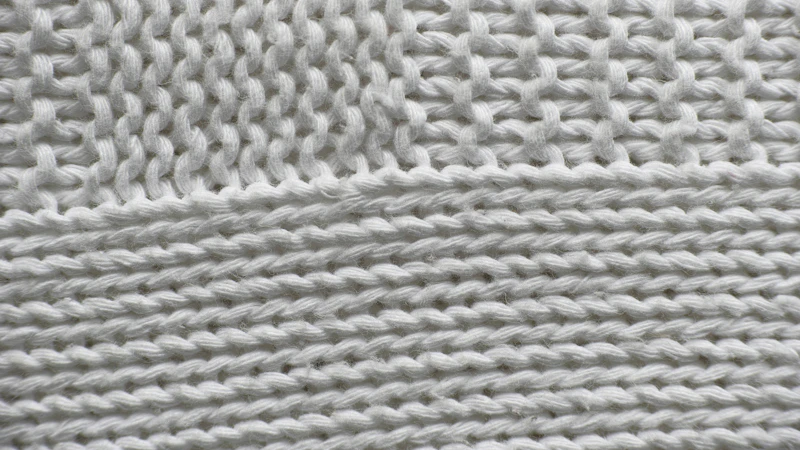
Fabric simulation and AI in textile development
How machine learning estimates how a fabric will drape from images and measurements, what that enables in virtual sampling, and where simulation still cannot replace the real cloth.
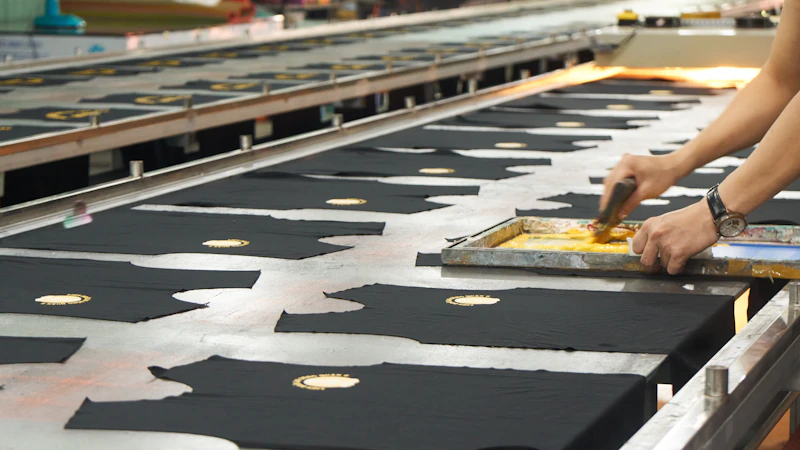
How does AI reduce fabric waste in marker making and cutting?
AI-assisted nesting can lift marker efficiency, but fabric constraints, patterns and order mix set the ceiling, and the savings need measuring.
How can you verify recycled-content claims in fashion products?
Verification rests mainly on certification and chain-of-custody records, with testing and AI as checks, not proof.
Design for recycling: a checklist for fashion product teams
A practical checklist covering fibre choice, trims, finishes, labels and data, based on published guidelines and EU ecodesign direction.
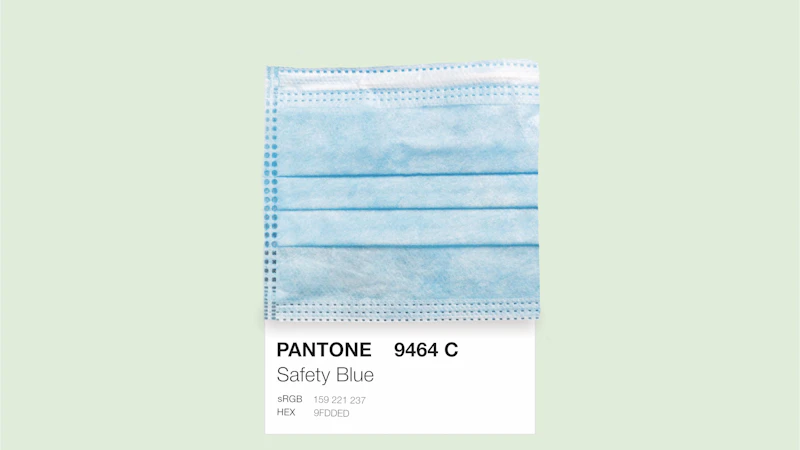
Why digital colour fails: colour management from screen to fabric
Screens emit light, fabrics reflect it, and dyes behave differently on each material. How measurement and digital approval narrow the gap.
How to read a mill's sustainability data pack: what to verify
Certificates, chemical management and facility data each prove something different. What to check, and what each document does not show.

AI for prints and repeats: a workflow from prompt to production file
Generative AI can produce motifs and seamless patterns in seconds, but a print is only usable once scale, repeat, colours and rights are under control. A step-by-step workflow for textile print teams.
What is AI-assisted lifecycle assessment for fashion products?
Brands need footprints for thousands of products, not a handful of studies. How AI helps scale lifecycle assessment, what the EU's apparel PEFCR changes, and where the data still falls short.
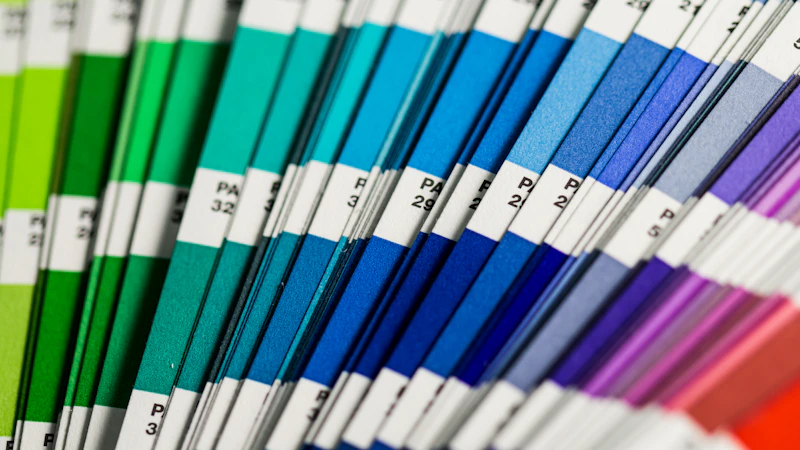
How is AI used for colour, prints and materials in fashion?
From AI palette tools to generated prints and AI-assisted fibre research, colour and materials work is changing. A sober look at what is in use, what is still experimental and what data it depends on.
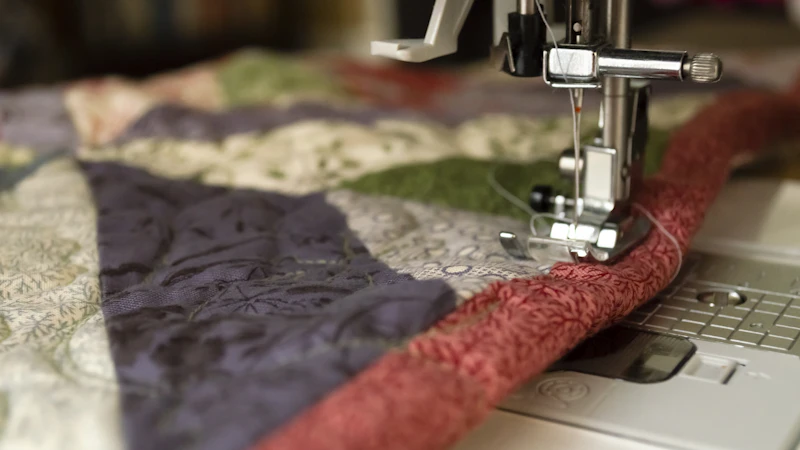
How does AI detect defects in fabrics and garments?
Computer vision is moving textile inspection from the human eye to cameras and models. How it works, where it is used, and why data and defect definitions matter most.
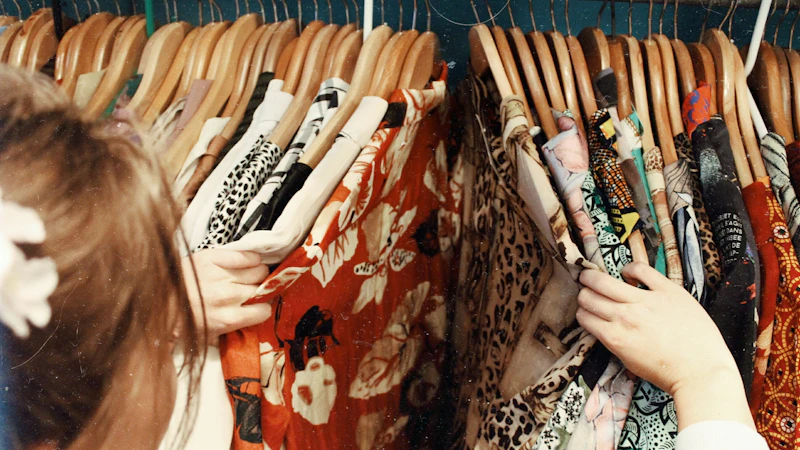
How does AI help sort and recycle textiles?
Recycling clothes into new fibres needs precise sorting by material and colour. Sensors and machine learning make that possible at scale, but capacity and economics are still limiting.

AI for fashion designers: tools, workflows and limits
How fashion designers use generative AI for research, moodboards, colour, prints and early concepts, where it falls short on construction and fit, and what copyright and labelling rules mean.
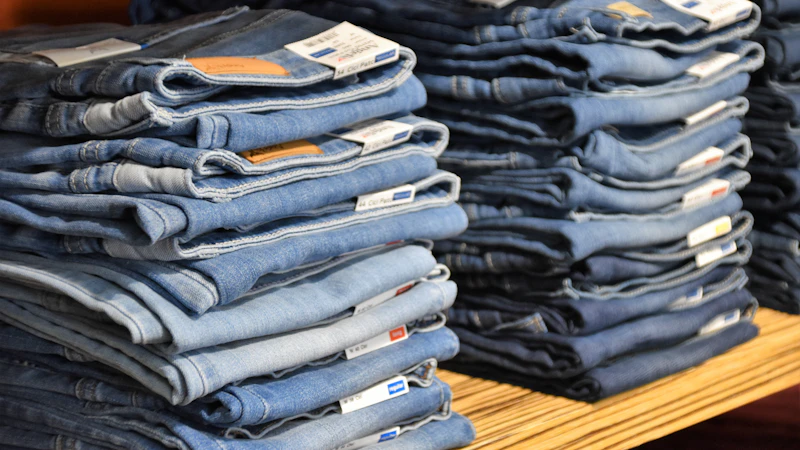
AI in denim: how finishing, laser technology and water use are changing
Denim's look is made in finishing, traditionally with water, chemicals and manual abrasion. Digital design and laser finishing, increasingly guided by AI, change that, but the evidence base is still thin.
How do you extend a PIM data model for the Digital Product Passport?
The textile DPP delegated act is planned for 2027. Here is how fashion brands can prepare their PIM data model now: identifiers, materials, supply chain, care and end of life data.
Textile Digital Product Passport timeline: what is decided and what is open in 2026
The EU's passport registry and core standards went live in July 2026, but the textile rules that define apparel data are still pending. Here is what is fixed, what is indicative and what remains open.

DNA tracers, isotopes, RFID or blockchain: which traceability technology works?
Fashion traceability tools answer different questions. DNA markers and isotope tests check the material, RFID tracks the item, and blockchain secures the record. A sober comparison of what each can prove.
Lead times in fashion: why a season starts a year early
From trend research to delivery in store, a traditional fashion season takes many months to build. Where the time goes, what drives it and how brands compress it.

Green claims in fashion: how to communicate without greenwashing
From 27 September 2026, new EU consumer rules ban vague environmental claims and unreliable labels. What changes for fashion marketing, product pages and wholesale copy.
Circular design principles for fashion collections
A garment's end of life is largely decided at the design desk. The principles of circular design, how they translate into collection work and the trade-offs designers face.
Textile certifications decoded: what the main labels actually cover
Organic, recycled, tested for harmful substances, responsibly sourced: textile certifications cover very different things. A guide to the main standards and how to use them in claims.

Sharing sustainability data with retail partners: a practical guide
Retailers increasingly ask brands for material, origin and certification data per product. What they need, how to structure it and how to keep claims consistent across channels.