PIM
Product Information Management: software that centralises and enriches product content such as descriptions, attributes and images. Glossary
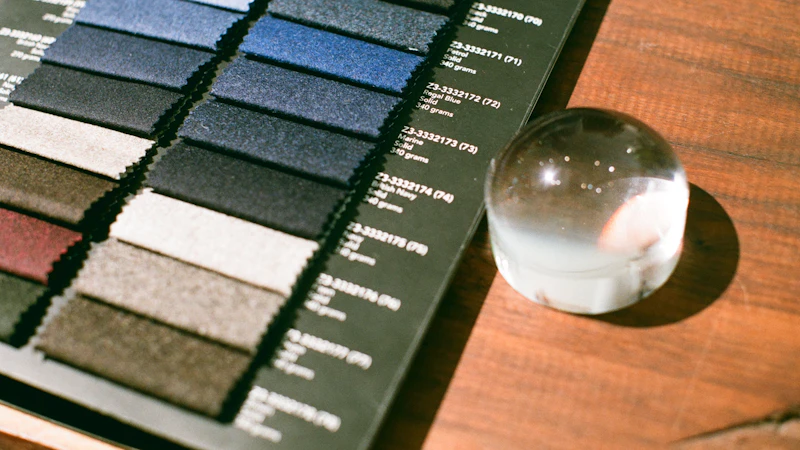
Schema markup for fashion products: which structured data does AI search read?
Product, Offer and ProductGroup markup describe price, availability, sizes and colours in a form machines can parse. Here is what to mark up for apparel, and what markup cannot do.

GEO content checklist: 15 things that make fashion product pages citable by AI
AI assistants cite pages that state facts clearly, can be crawled and agree with other sources. This checklist covers access, product facts, structured data and content for fashion product pages.

AI for fashion product data: attributes, tech packs and enrichment at scale
Webshops, marketplaces, wholesale partners and AI shopping assistants all depend on complete product data. How AI extracts attributes, writes descriptions and checks records, and where humans stay in the loop.
Choosing a sales app for fashion wholesale: a 25-point checklist
Offline orders, size grids, pre-order and re-order, PIM and ERP links, AI features and adoption: 25 questions to ask before you choose a sales app for your reps and agents.
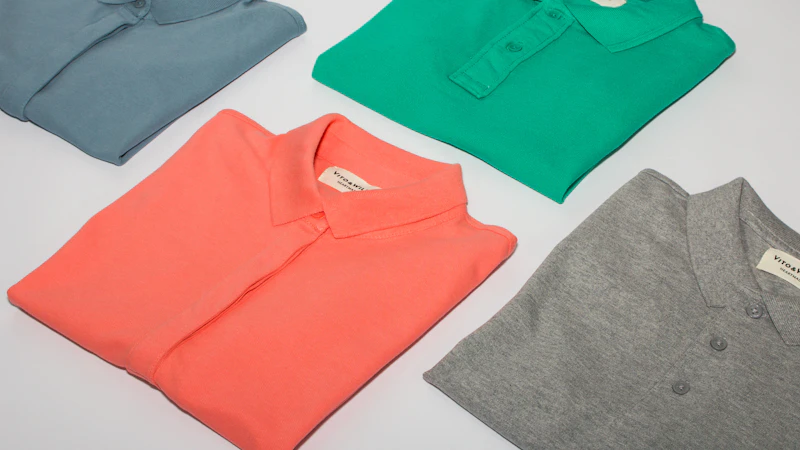
How do fashion brands syndicate product data to retailers and marketplaces?
One PIM, many channels: how to structure, map and validate fashion product data so wholesale partners and marketplaces accept it the first time, and where AI helps.
How do you extend a PIM data model for the Digital Product Passport?
The textile DPP delegated act is planned for 2027. Here is how fashion brands can prepare their PIM data model now: identifiers, materials, supply chain, care and end of life data.

PLM to PIM handover: which product attributes move when, and who owns them?
A practical guide to the PLM to PIM handover in fashion: the attributes that move at each milestone, who owns them, and how to keep sell-in and e-commerce data consistent.

AI quality checks for PIM data: catching missing, wrong and inconsistent attributes
A practical checklist for using rules and AI to find gaps, errors and contradictions in fashion product data before they reach webshops, marketplaces and customers.

What do AI shopping agents mean for fashion brands' websites and product feeds?
ChatGPT, Google and others now let shoppers discover and buy products inside AI assistants. For fashion brands, product data quality becomes the new storefront.
How can AI find the root cause of fashion returns?
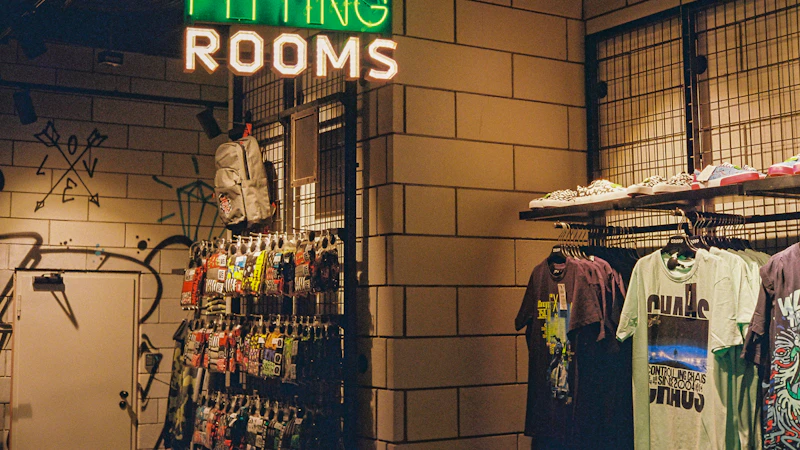
Reason codes alone rarely explain why a style comes back. Combining them with review text and product data, AI can point to fixable causes such as wrong size charts, misleading imagery or fabric surprises.

PIM explained: why product data is a fashion brand's hidden asset
A product information management system holds the content that sells: descriptions, attributes, images and translations. Here is why it matters for every channel, wholesale included.

PLM, PIM and ERP: who owns what in a fashion tech stack
Three acronyms, three different jobs. A clear split of data ownership between PLM, PIM and ERP prevents duplicate work, conflicting records and late collections.

What a modern tech stack looks like for a mid-sized fashion brand
From product development to wholesale ordering and finance, a mid-sized fashion brand needs a connected set of systems. A layer-by-layer guide to what belongs where.
Product master data: the unglamorous key to digital fashion
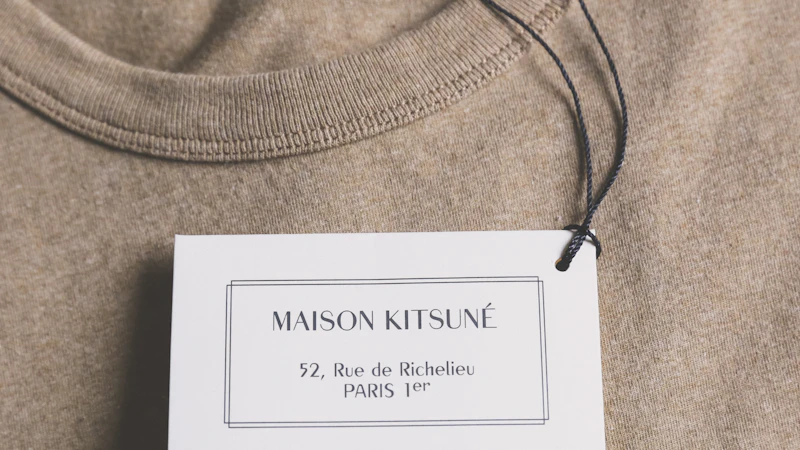
Style numbers, colour codes, size scales and identifiers decide whether showrooms, portals, feeds and invoices work. A practical guide to getting product master data right.