PLM
Product Lifecycle Management: software that manages a product's development from concept and design to sampling and production. Glossary
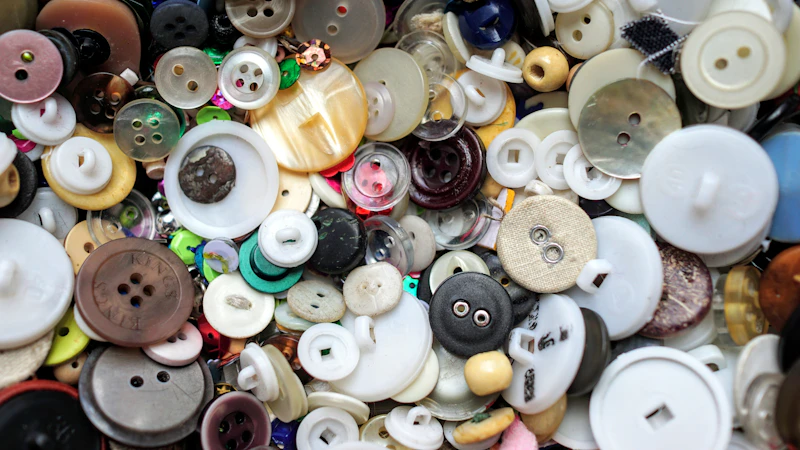
AI-assisted bill of materials and costing from a design brief
How AI can pre-populate a bill of materials and estimate labour and cost from images and history, where it needs human verification, and how to set it up sensibly.
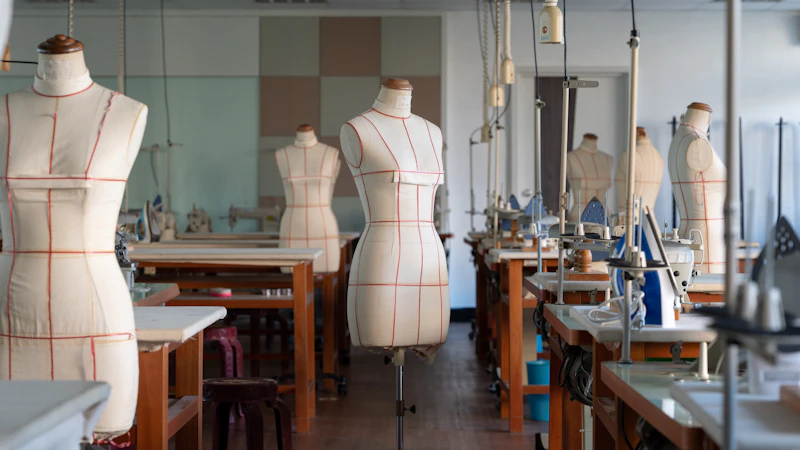
Can AI generate tech packs? What works from sketch to specification
AI can now draft parts of a tech pack from drawings and product data, but construction, fit and factory detail still need technical designers. A practical guide to what to automate and what to keep human.

AI in fashion product development: from brief to sample
AI is reshaping the steps between a collection brief and the first approved sample: research, concepts, digital prototypes and range decisions. What works, what data it needs and where people stay in charge.

How to build a 3D asset pipeline from design to the digital showroom
A digital showroom is only as good as the 3D assets behind it. How to move garments from 3D design and PLM to sell-in ready renders, on time and at scale.

PLM to PIM handover: which product attributes move when, and who owns them?
A practical guide to the PLM to PIM handover in fashion: the attributes that move at each milestone, who owns them, and how to keep sell-in and e-commerce data consistent.

AI inside PLM: what did the major fashion PLM vendors add in 2025 and 2026?
Tech pack extraction, generative design studios and agentic product development: what PTC, Centric Software, Lectra and others announced, and what buyers should test before believing it.

How do you make 3D the default in PLM? Workflow, approvals and file standards
Moving 3D from a specialist side tool to the standard path in product development: where 3D sits in the PLM workflow, how approvals change, and which file and material standards matter.
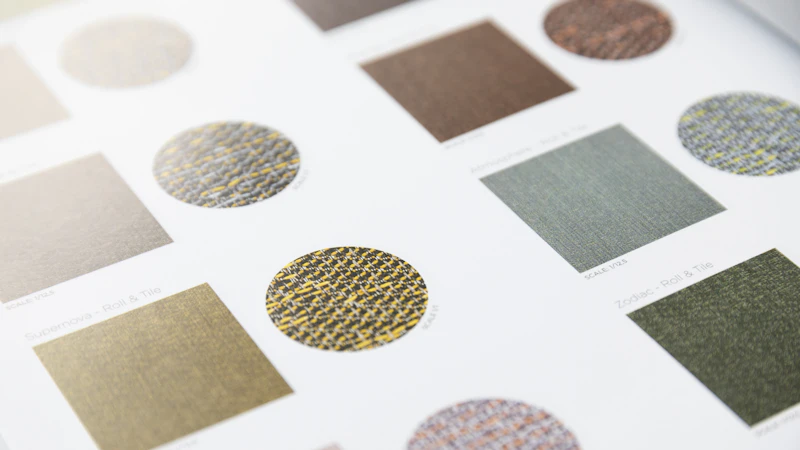
What does 3D sampling really save? Sample costs, lead times and carbon
3D sampling promises fewer physical samples, shorter calendars and lower emissions. What the published evidence supports, what remains vendor claims, and how to build your own business case.

How do you get from moodboard to 3D concept with trend data and generative AI?
Image generators produce ideas fast but not garments. A workflow that links trend data, generative tools, 3D simulation and PLM without losing control of fit or IP.

Where does DPP data live? PLM, PIM, ERP and the passport platform explained
A Digital Product Passport draws on data spread across design, product, transaction and supplier systems. Which system should own which attribute, and how should they connect to a passport platform?
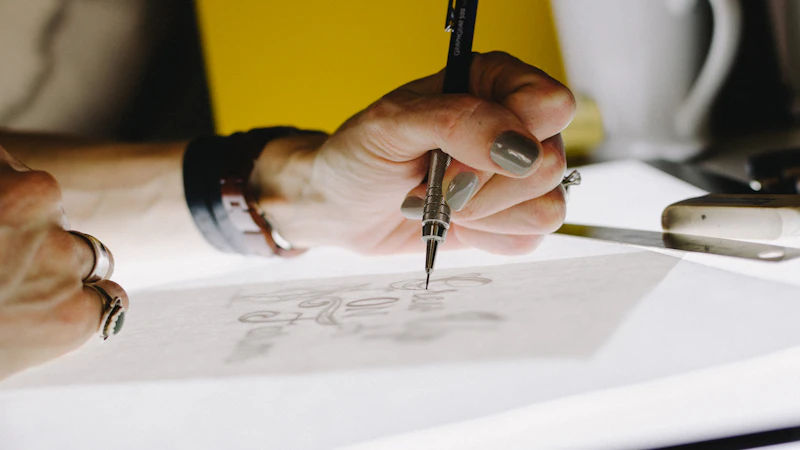
PLM explained: how collections move from sketch to sample
Product lifecycle management is where a collection is designed, specified, costed and sampled. Here is what PLM does, who uses it and what to expect from it.
PLM, PIM and ERP: who owns what in a fashion tech stack
Three acronyms, three different jobs. A clear split of data ownership between PLM, PIM and ERP prevents duplicate work, conflicting records and late collections.
What a modern tech stack looks like for a mid-sized fashion brand
From product development to wholesale ordering and finance, a mid-sized fashion brand needs a connected set of systems. A layer-by-layer guide to what belongs where.

3D design and digital samples: fewer physical samples, faster decisions
3D garment simulation lets teams review fit, colour and assortment on screen before a single sample is sewn. How it works, where it saves time and material, and where physical samples still win.