Digital Showrooms
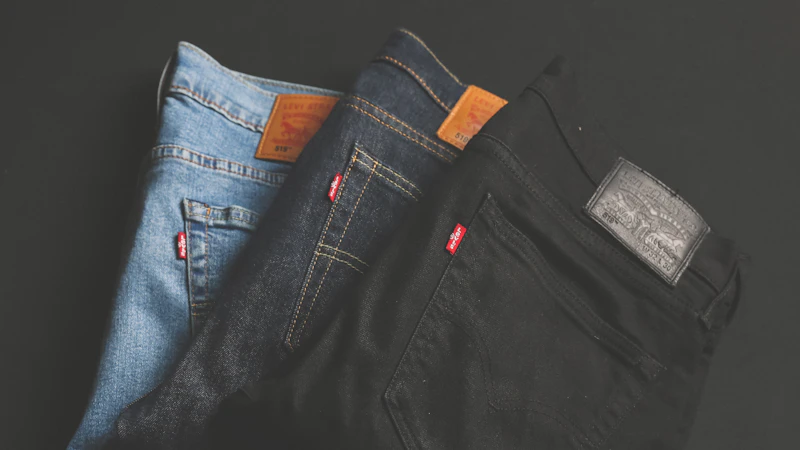
How Kontoor Brands (Wrangler, Lee) runs wholesale and planning: what it discloses
Wholesale is Kontoor's largest channel, planned through regional control functions and ERP. Its filings mention AI only as a risk and name no digital showroom.

How to schedule buyer appointments with AI during market weeks
Market-week diaries are a constrained scheduling problem. Here is how AI can help plan them, what data it needs and where humans must stay in charge.
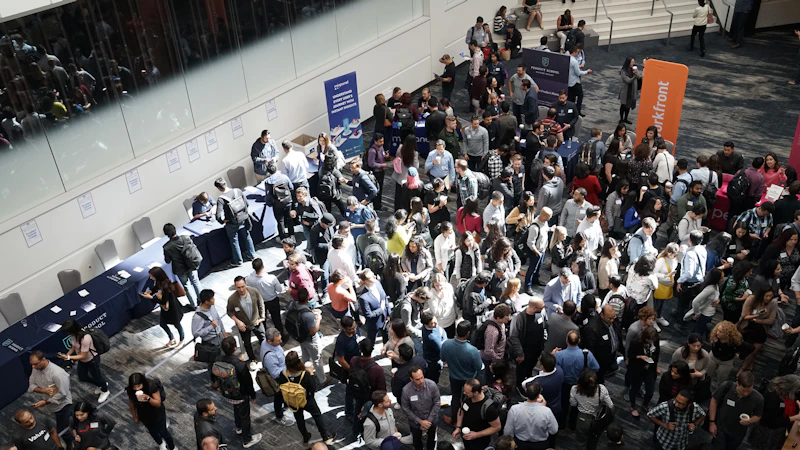
Market week preparation: a checklist for data, samples and digital tools
What to have ready before buyers arrive: commercial terms, product data, samples, appointments and the digital layer.
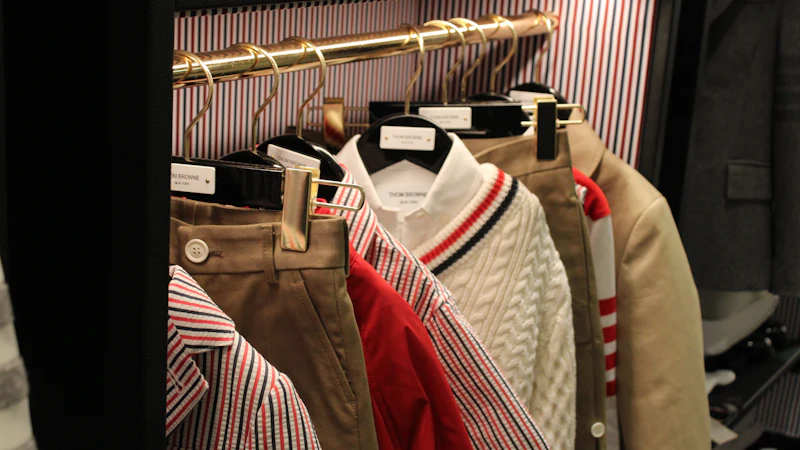
How did PVH and Tommy Hilfiger digitise wholesale with showrooms, 3D and data?
Tommy Hilfiger opened a digital showroom for wholesale buyers in 2015 and moved apparel design into 3D. The case shows what a digital sell-in process needs before AI can add value.
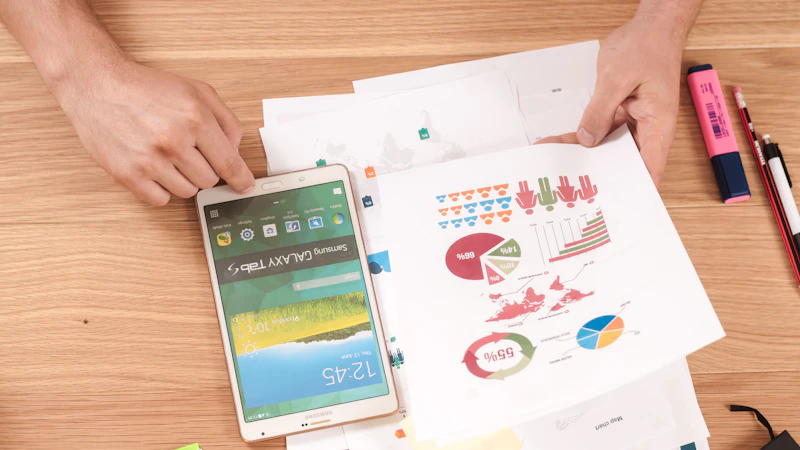
What can AI learn from buyer behaviour in a digital showroom?
Every click, wishlist and draft order in a digital showroom is a demand signal. How AI turns that behaviour into early pre-order insight, and where the data misleads.

AI, 3D and virtual sampling: fewer samples, faster decisions
3D garment simulation has been replacing some physical samples for years. AI now speeds up the steps around it. Here is what virtual sampling can really replace, what data it needs and where physical samples still win.

How does AI change the digital showroom in fashion wholesale?
Digital showrooms moved collections onto screens. AI adds personalised pre-selections, natural-language search, generated imagery and behavioural insight, with new limits to manage.
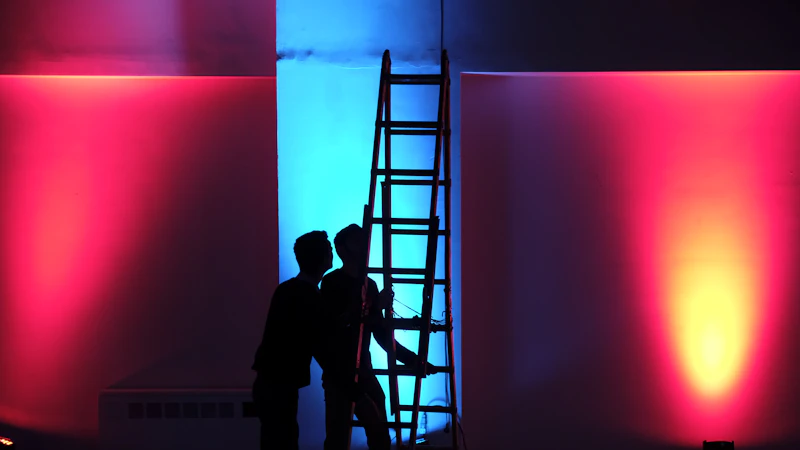
Digital showroom ROI: how to build the business case for costs and sell-in
What a digital showroom really costs, where the savings come from, why sell-in uplift is the hardest number to prove, and how to build a business case a CFO will accept.

How to build a 3D asset pipeline from design to the digital showroom
A digital showroom is only as good as the 3D assets behind it. How to move garments from 3D design and PLM to sell-in ready renders, on time and at scale.
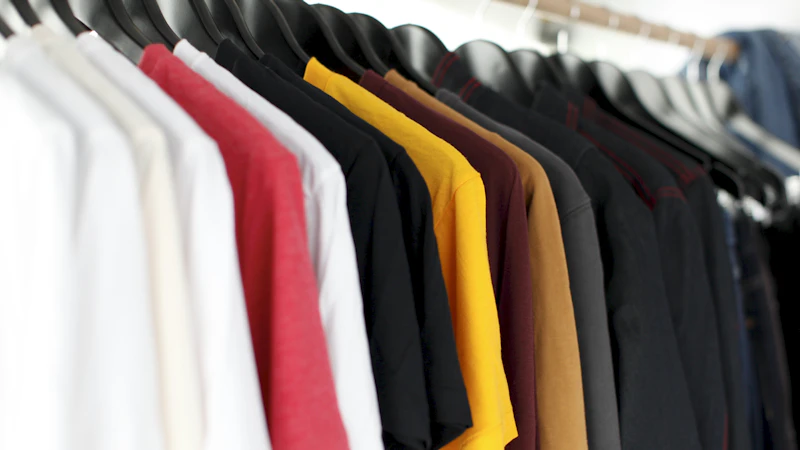
How to run remote buying sessions with key accounts in a digital showroom
Remote buying appointments can save travel and time for brands and key account buyers, but only with careful preparation, the right data and a clear role for physical samples.
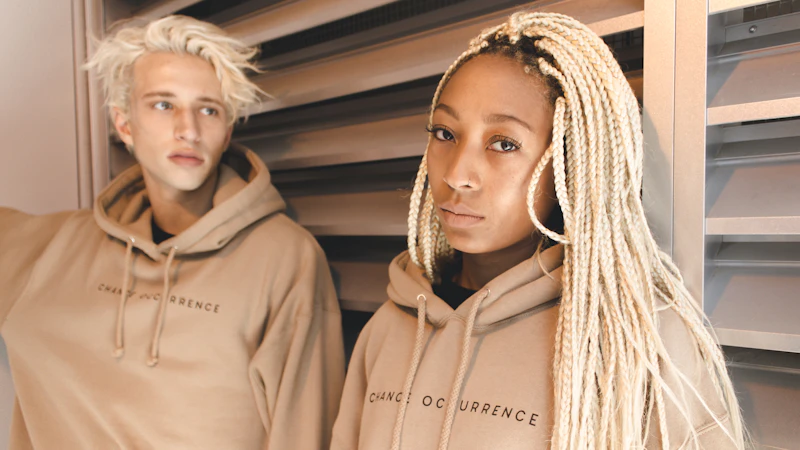
Hybrid selling in fashion: how trade fairs, showrooms and digital showrooms fit
Trade fairs still draw thousands of buyers, physical showrooms still matter for key accounts, and digital showrooms extend both. How to split the selling season across all three.
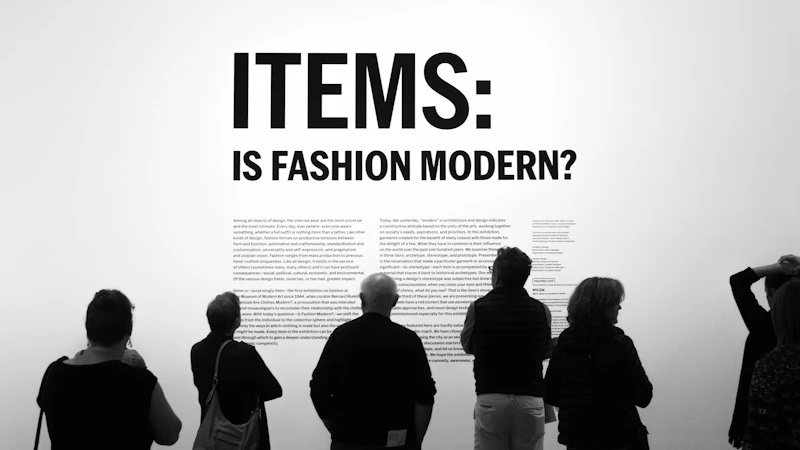
How to measure sales app and digital showroom adoption: the metrics that matter
Logins and licence counts do not show whether sales teams really switched. The metrics that reveal true adoption of sales apps and digital showrooms, and how to act on them.

How can wholesale teams generate line sheets and sell-in decks with AI?
Line sheets and sell-in decks are built from product data. A workflow for using generative AI to speed them up without errors in prices, colours or delivery dates.
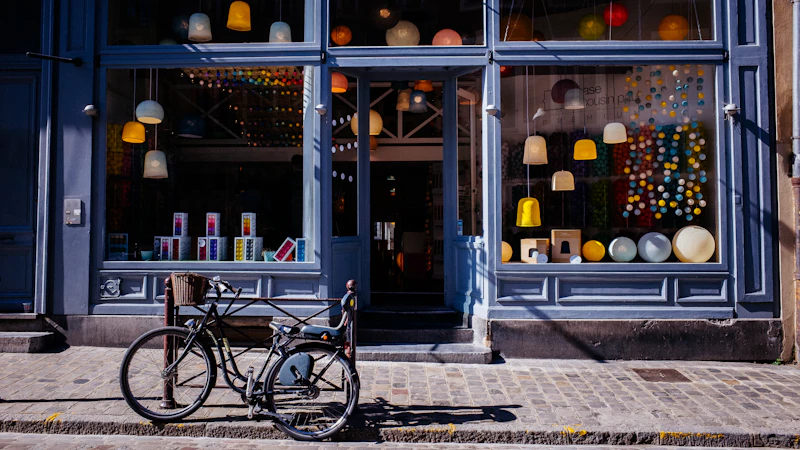
How can brands support clienteling by store staff at multibrand wholesale partners?
In multibrand stores, the associate who knows the client works for the retailer, not the brand. Brands can still equip that associate with product knowledge, stock visibility and content, if data roles are clear.

Digital showrooms explained: what they are and when they work
A digital showroom presents a collection to buyers on screen instead of on a rail. It can widen reach and speed up decisions, but it does not replace every physical appointment.
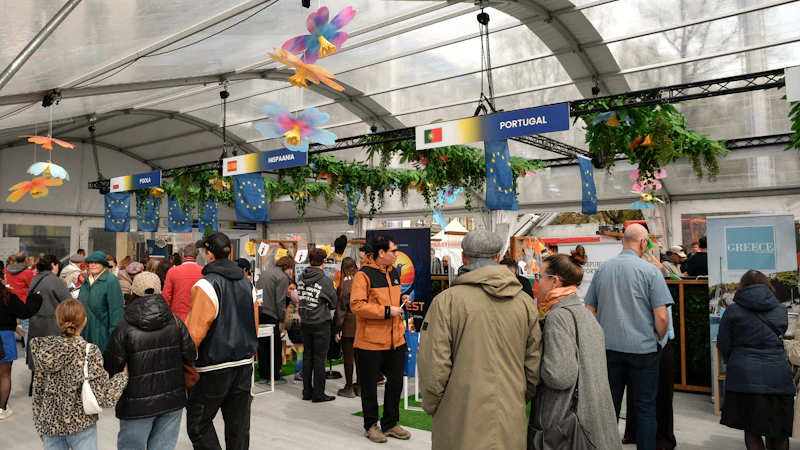
Why trade fairs still matter in a digital wholesale world
Digital tools now handle much of what fairs once did, from presenting collections to writing orders. Yet the fair floor still does jobs that a screen struggles to replicate.

3D design and digital samples: fewer physical samples, faster decisions
3D garment simulation lets teams review fit, colour and assortment on screen before a single sample is sewn. How it works, where it saves time and material, and where physical samples still win.