Product Development
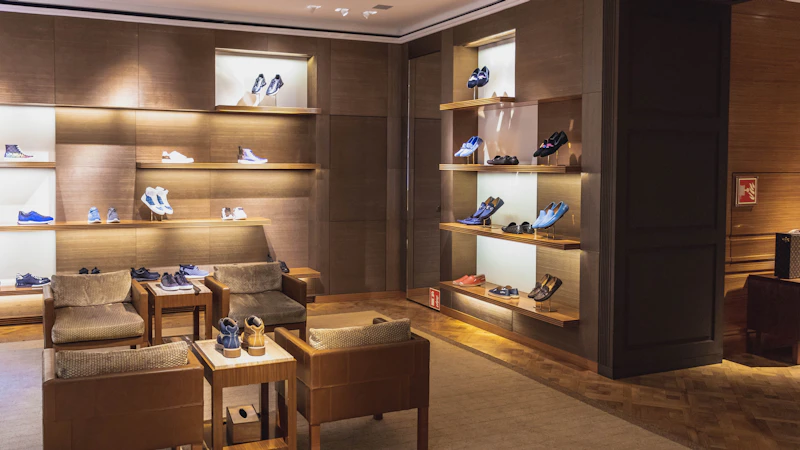
How Prada Group applies digital tools and AI to product development and clienteling
Prada Group's public AI footprint is mostly in planning and customer data platforms, not design. A sober look at what the group and its vendors have actually said.
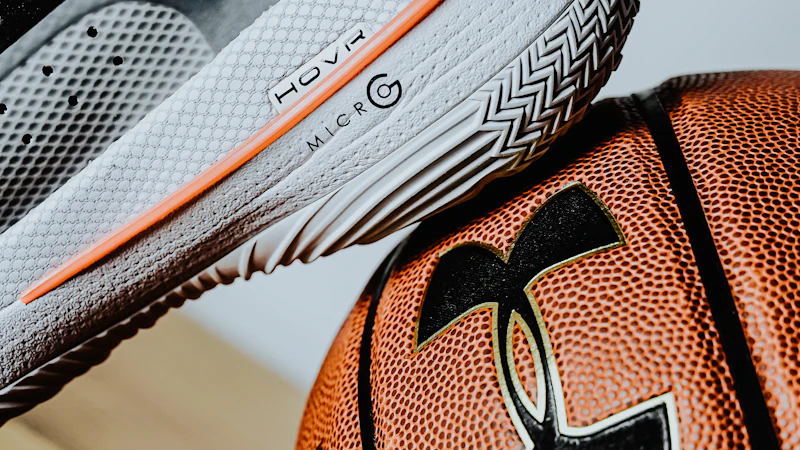
How Under Armour uses data, AI and 3D in product creation and consumer insight
Under Armour has described social listening, connected-shoe data and 3D printing in the past, and now cites AI mainly as a risk. What is documented, and what is not.
AI in pattern making and grading: what is automated today
Research shows AI can generate usable patterns for simple garments, while complex construction, varied body shapes and production tolerances still need pattern makers.
AI-assisted bill of materials and costing from a design brief
How AI can pre-populate a bill of materials and estimate labour and cost from images and history, where it needs human verification, and how to set it up sensibly.
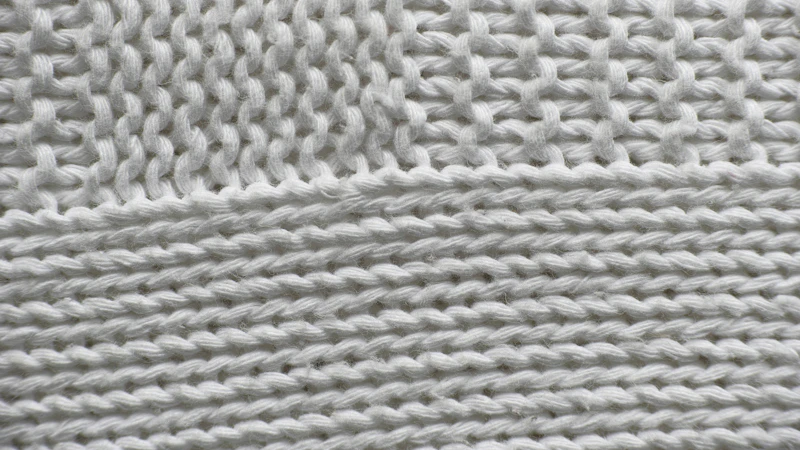
Fabric simulation and AI in textile development
How machine learning estimates how a fabric will drape from images and measurements, what that enables in virtual sampling, and where simulation still cannot replace the real cloth.
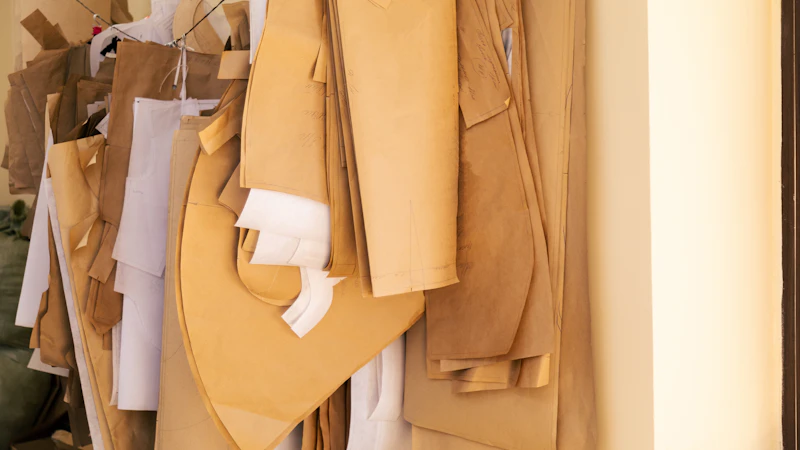
How does Moncler use data and AI in design, clienteling and supply chain?
Moncler's public record shows AI first in planning, quality control and replenishment, then in clienteling tools and a redesigned website. What it discloses, and what it does not, is instructive.
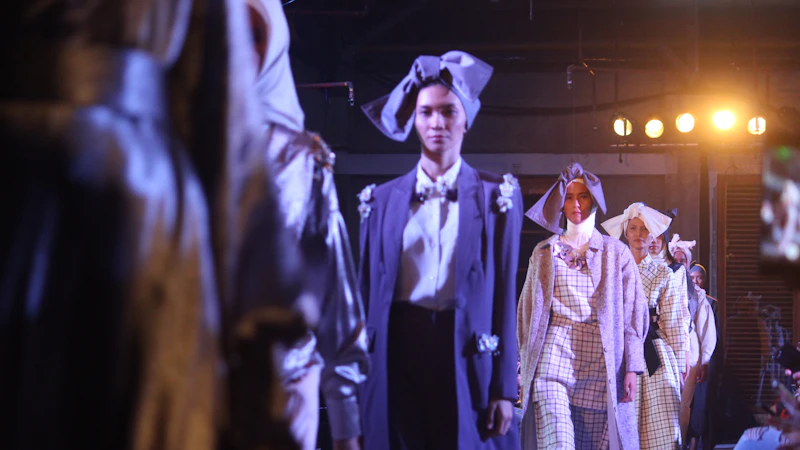
Walmart's Trend-to-Product: how AI cut fashion development timelines
Walmart says its in-house Trend-to-Product tool can shorten apparel development by up to 18 weeks. Here is what the tool does, what is company-reported and what other retailers can learn.
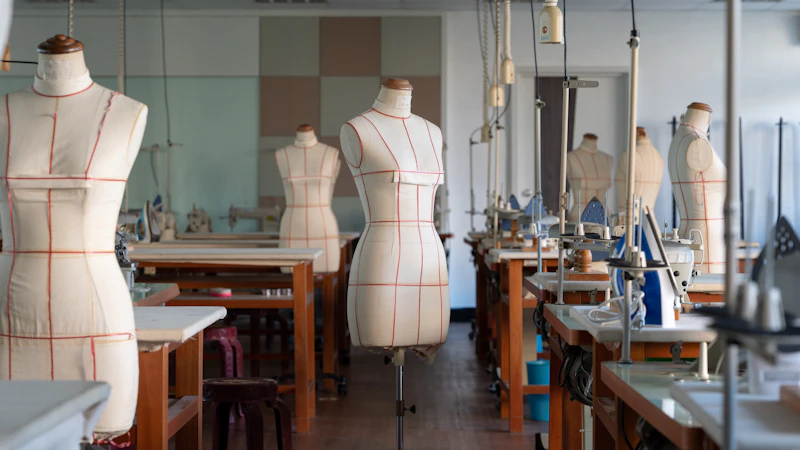
Can AI generate tech packs? What works from sketch to specification
AI can now draft parts of a tech pack from drawings and product data, but construction, fit and factory detail still need technical designers. A practical guide to what to automate and what to keep human.

Sketch to 3D: how does AI turn drawings into 3D garments?
AI is starting to read fashion sketches and produce sewing patterns and draped 3D garments. How the technology works, what research shows, what commercial 3D tools already do and where the limits are.
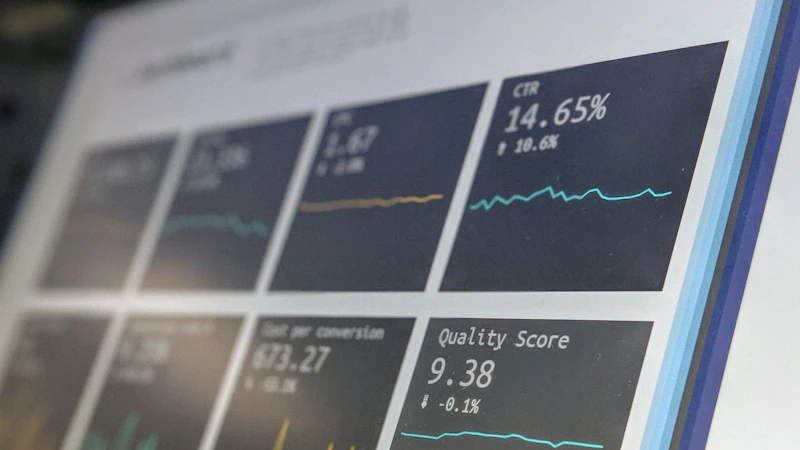
How do you forecast demand for a fashion product with no sales history?
Most of a fashion range is new each season, so classic time-series forecasting has nothing to work with. How AI borrows history from similar products, images, attributes and early sales, and where it still falls short.
How to feed fit feedback and return reasons back into pattern-making
Return reasons and fit comments contain precise clues about patterns and grading, but rarely reach the technical design team. A step-by-step guide to closing the loop with AI and better data.
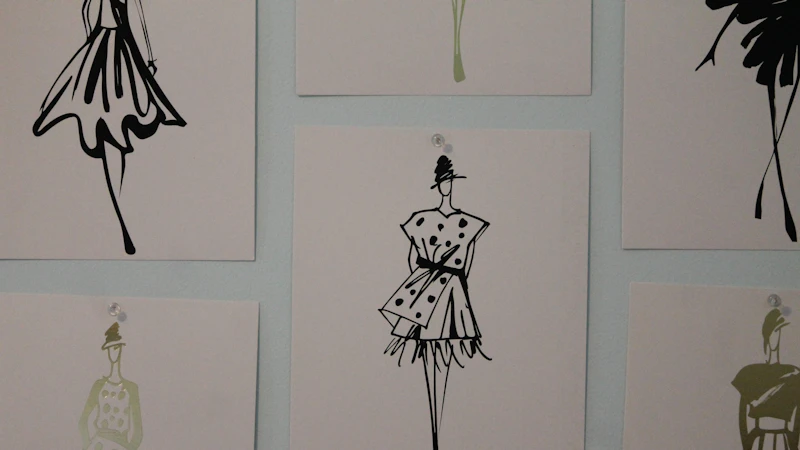
AI in fashion design: how design teams actually use it
Generative AI has moved into the design studio, but mostly as a fast sketchpad and visualisation tool. Here is where it helps designers, where it falls short and what teams need before they rely on it.
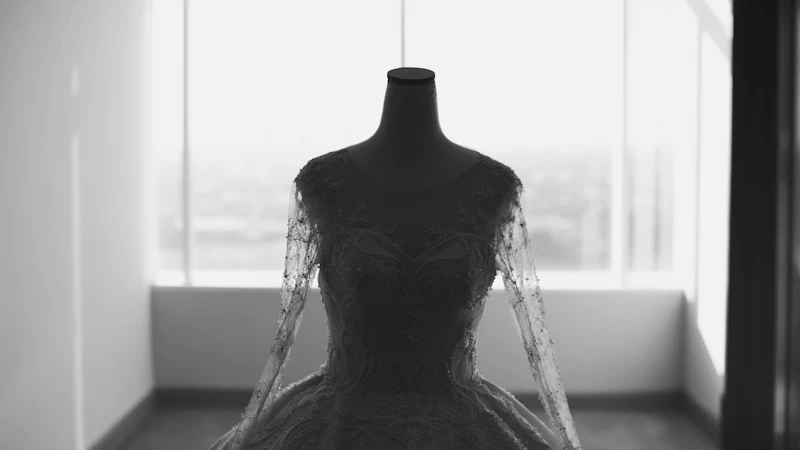
AI in fashion product development: from brief to sample
AI is reshaping the steps between a collection brief and the first approved sample: research, concepts, digital prototypes and range decisions. What works, what data it needs and where people stay in charge.

AI, 3D and virtual sampling: fewer samples, faster decisions
3D garment simulation has been replacing some physical samples for years. AI now speeds up the steps around it. Here is what virtual sampling can really replace, what data it needs and where physical samples still win.
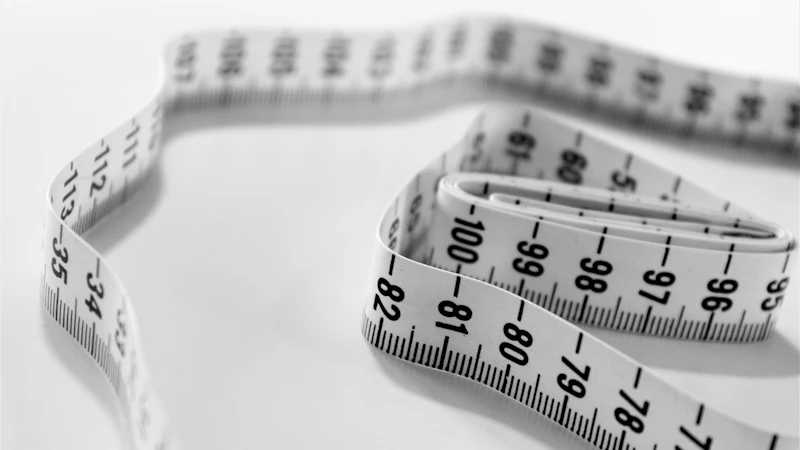
How does AI improve fit and sizing? From size advice to better patterns
Size and fit problems drive a large share of fashion returns. AI now powers size recommendations, body measurement and virtual fitting rooms, and its data can flow back into patterns and size charts.
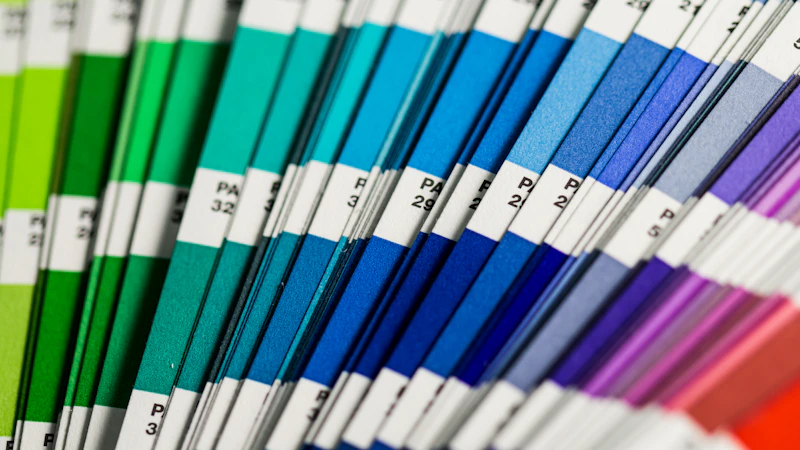
How is AI used for colour, prints and materials in fashion?
From AI palette tools to generated prints and AI-assisted fibre research, colour and materials work is changing. A sober look at what is in use, what is still experimental and what data it depends on.
How Nike uses AI: direct-to-consumer data and generative product creation
From demand sensing for its own channels to AI-generated footwear concepts and an AI shopping beta, what Nike has built, what it has disclosed and what changed under new leadership.

AI in sportswear: how it shapes performance product, community and demand
Sportswear brands combine technical product, athlete storytelling and huge launch volumes. AI helps in design, content and demand, but performance claims and athlete data raise the bar.
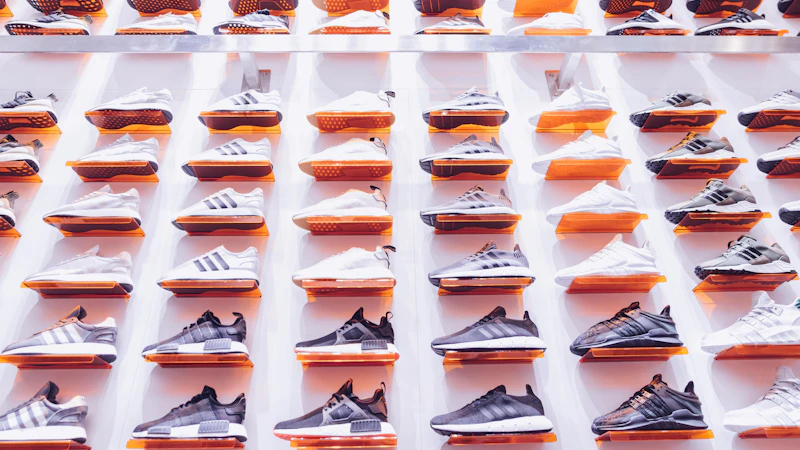
AI in footwear: fit, size data and faster product creation
In footwear, a few millimetres decide whether a sale sticks. AI helps with foot scanning, size advice and design iteration, but only on top of accurate last and product data.
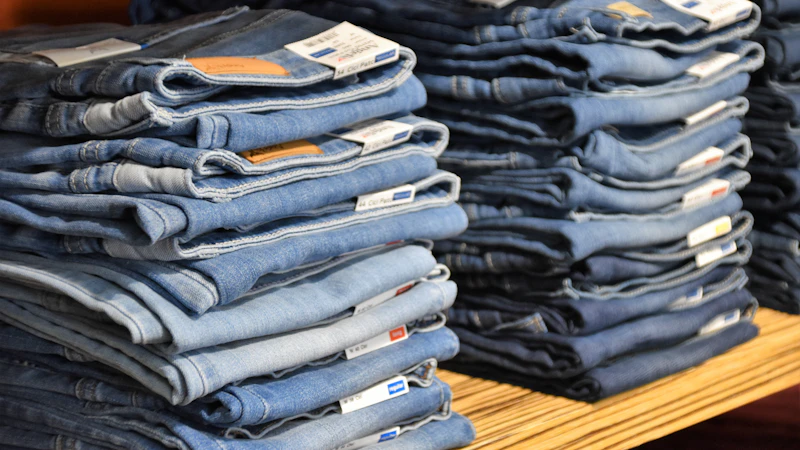
AI in denim: how finishing, laser technology and water use are changing
Denim's look is made in finishing, traditionally with water, chemicals and manual abrasion. Digital design and laser finishing, increasingly guided by AI, change that, but the evidence base is still thin.
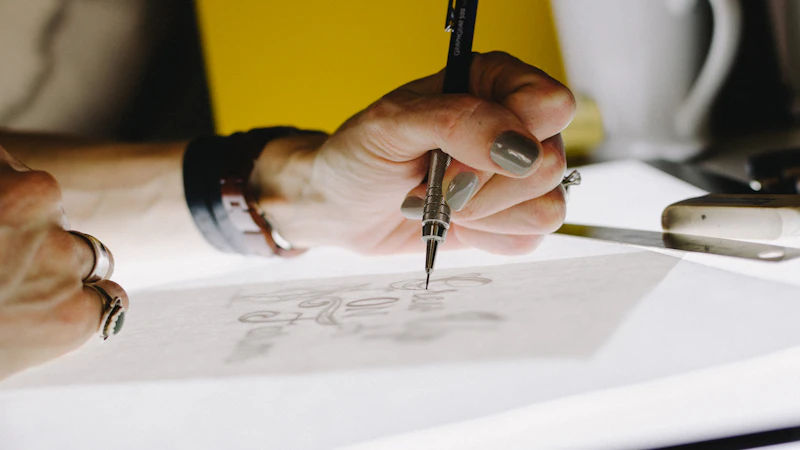
PLM explained: how collections move from sketch to sample
Product lifecycle management is where a collection is designed, specified, costed and sampled. Here is what PLM does, who uses it and what to expect from it.

Generative AI in fashion design: useful tool or distraction?
Image generators can produce mood boards and print ideas in seconds. Whether they improve design depends on where they sit in the process, and on how brands handle originality and rights.
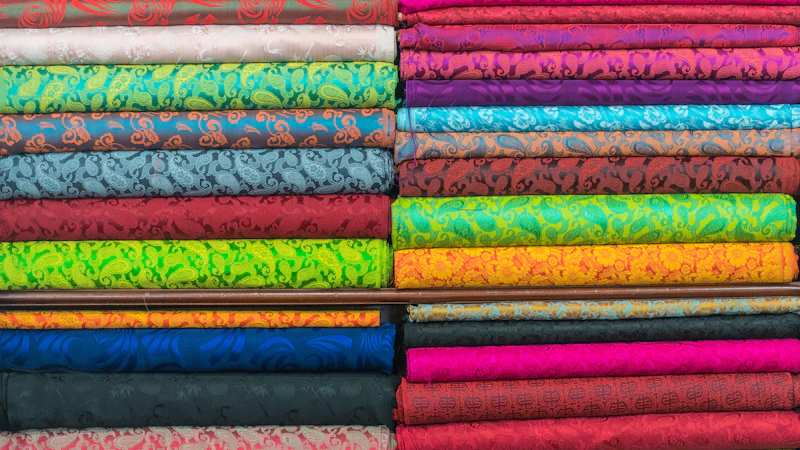
Lead times in fashion: why a season starts a year early
From trend research to delivery in store, a traditional fashion season takes many months to build. Where the time goes, what drives it and how brands compress it.
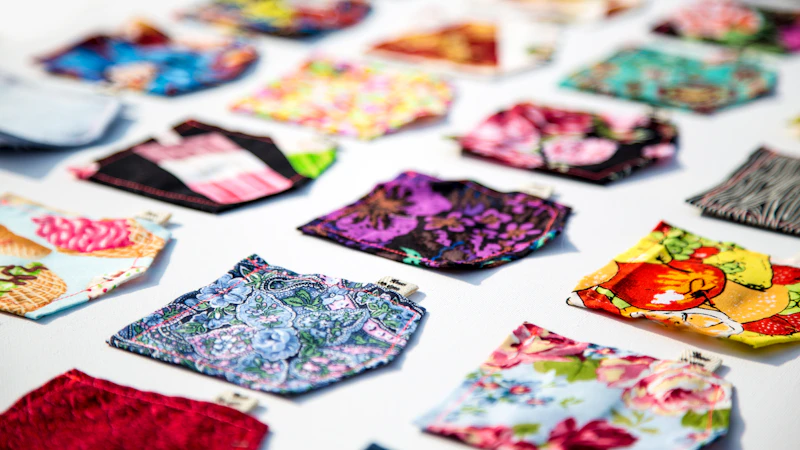
Circular design principles for fashion collections
A garment's end of life is largely decided at the design desk. The principles of circular design, how they translate into collection work and the trade-offs designers face.

3D design and digital samples: fewer physical samples, faster decisions
3D garment simulation lets teams review fit, colour and assortment on screen before a single sample is sewn. How it works, where it saves time and material, and where physical samples still win.