Sourcing
Worker-monitoring AI in supplier factories: AI Act and labour-law risks
Productivity tracking, camera analytics and emotion detection on factory floors raise legal and ethical questions for brands that source in Europe and beyond.

How can AI speed up supplier onboarding for fashion brands?
AI can read supplier documents and pre-fill master data, but speed comes from a clean data model and human sign-off, not from the model alone.
How is AI used for capacity booking and production planning in fashion?
AI can improve capacity forecasts and scenario planning, but booking quality still depends on order stability, honest lead times and supplier relationships.
Supplier AI readiness: what to ask factories and mills
Before any AI tool can use supplier data, the data has to exist, be structured and be shareable. A checklist of questions for factories and mills.
Total landed cost explained for fashion sourcing
The factory price is the start, not the end. Freight, insurance, duties, fees and overhead decide what a garment really costs on arrival.
What is Alibaba's Accio, and what does an AI sourcing agent mean for fashion?
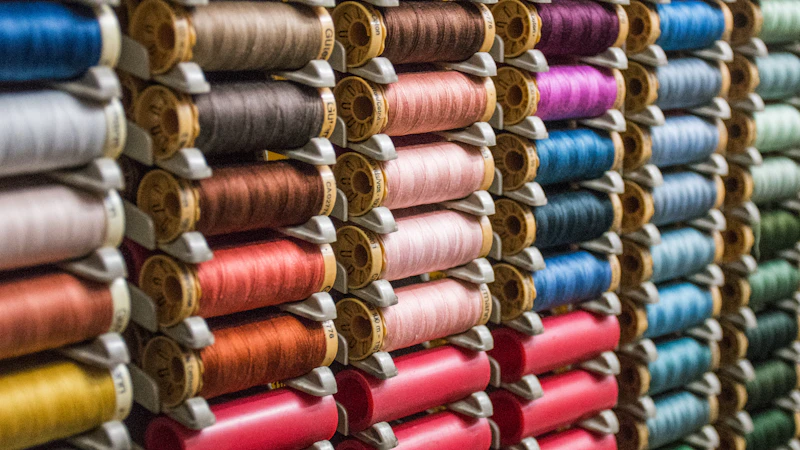
Accio, Alibaba.com's AI sourcing tool, passed 10 million monthly users in 2026 and now has an agent platform. How it works, what it cannot do yet, and what it changes for fashion buyers and suppliers.
How can AI help decide buy depth and production quantities in fashion?
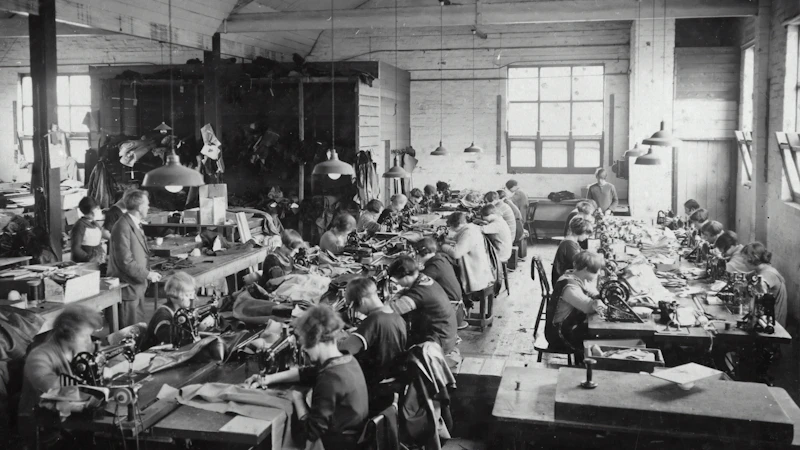
Buying too deep creates markdowns and waste; buying too shallow loses sales. How AI combines demand forecasts, uncertainty and lead times to set production quantities, and why flexibility matters as much as accuracy.
How to use AI to read supplier audit reports and certificates
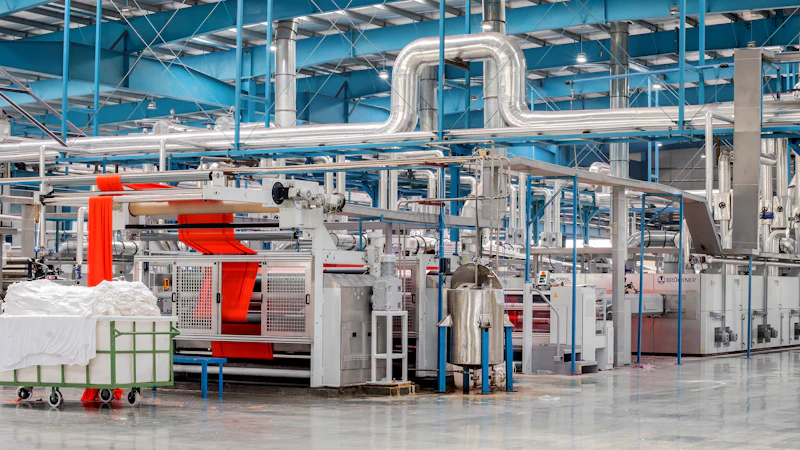
Compliance teams drown in audit PDFs, certificates and questionnaires. A step-by-step guide to automating supplier document checks with AI, without outsourcing judgement to a model.
How is AI used in fashion sourcing for cost modelling and supplier negotiations?
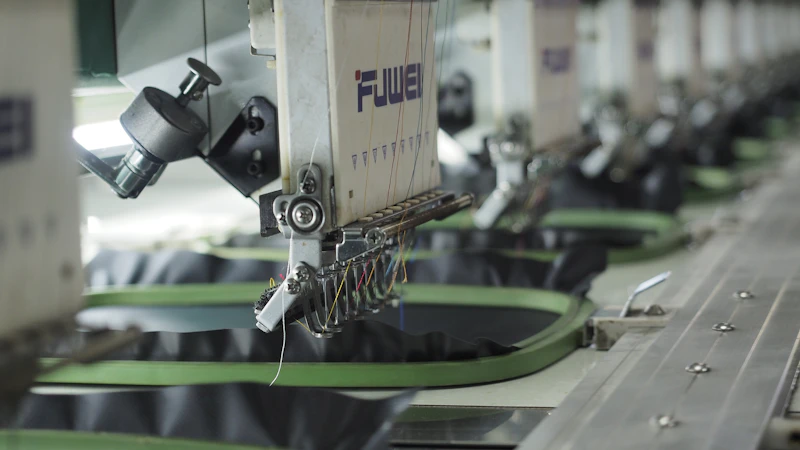
AI can break down garment costs, compare quotes and prepare negotiations. What works, what consultancies claim, and why trust and supplier relationships still decide outcomes.

How can fashion brands use AI scenario planning for tariffs and sourcing in 2026?
US tariff rules changed again in 2026, and trade flows in apparel are shifting. How AI-supported scenario planning helps brands compare sourcing options, and why it cannot predict policy.
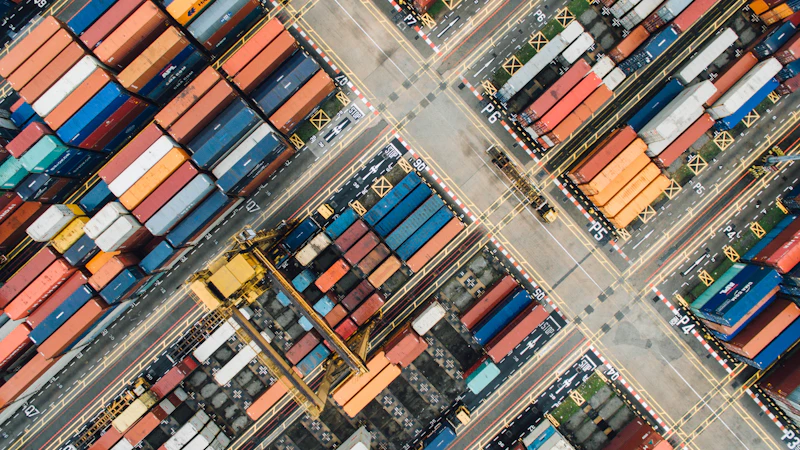
How is AI used in the fashion supply chain?
From demand planning to warehouse robots and supplier monitoring: where AI already works in fashion supply chains, what data it needs and where its limits are.
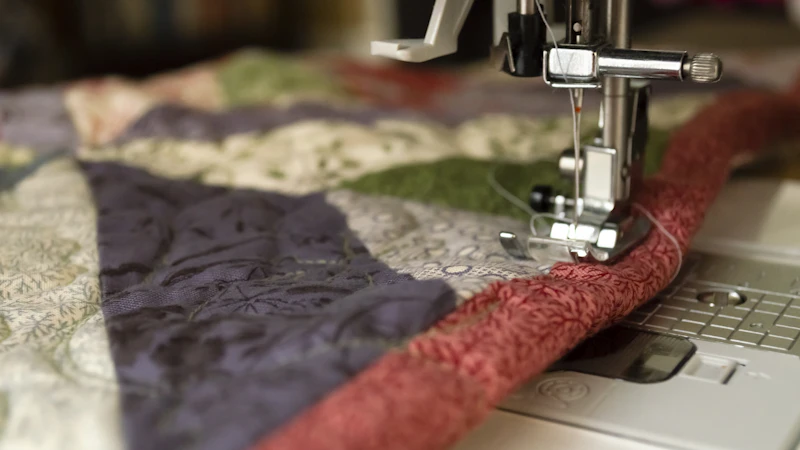
How does AI detect defects in fabrics and garments?
Computer vision is moving textile inspection from the human eye to cameras and models. How it works, where it is used, and why data and defect definitions matter most.
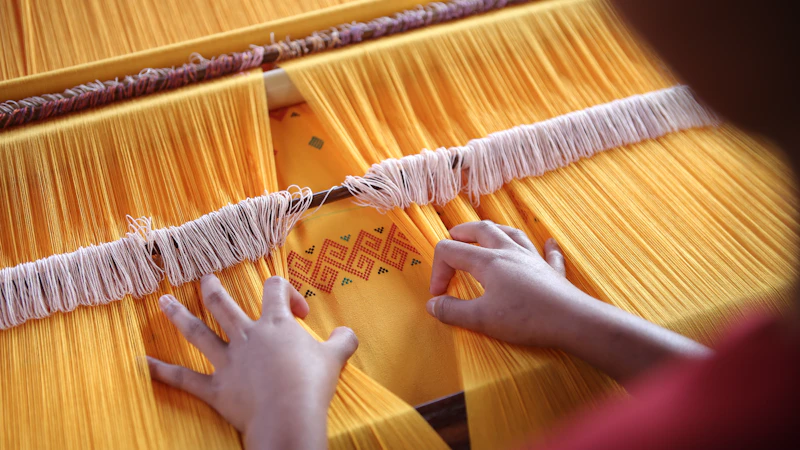
How can AI monitor supplier risk and compliance in fashion?
Forced labour rules and due diligence laws push fashion companies to know their suppliers better. AI can scan documents and signals at scale, but it cannot replace audits and engagement.
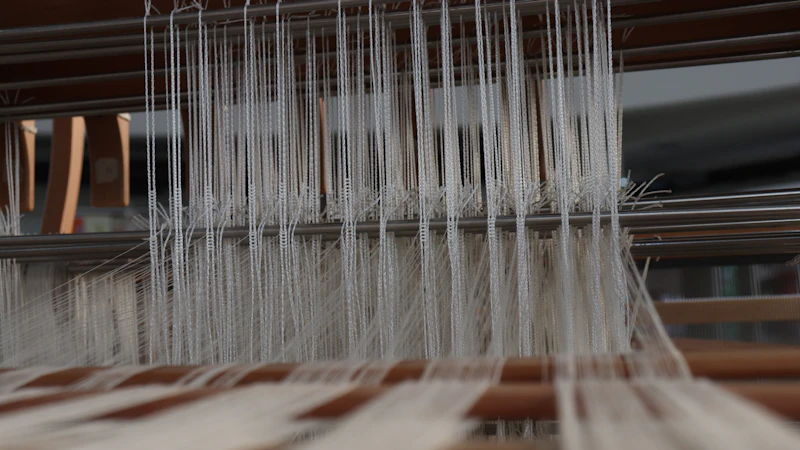
AI for sourcing and supply chain managers in fashion
How fashion sourcing and supply chain managers use AI for demand and production planning, cost and tariff scenarios, supplier risk, compliance and quality, with data needs, limits and a 30-day plan.

How do you turn a pre-order book into production orders without losing time?
The handover from sales to sourcing is where wholesale brands lose weeks and margin. A step-by-step guide to closing the gap, and where AI genuinely helps.

How do you make 3D the default in PLM? Workflow, approvals and file standards
Moving 3D from a specialist side tool to the standard path in product development: where 3D sits in the PLM workflow, how approvals change, and which file and material standards matter.
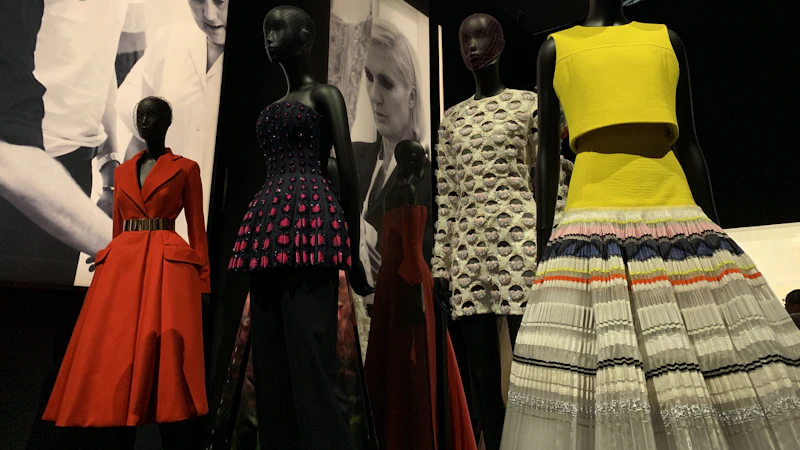
Trend forecasting platforms compared: what do WGSN, Heuritech and others measure?
Trend platforms differ less in their AI than in the data they watch. What WGSN, Heuritech, Trendalytics and EDITED measure, and how to choose.
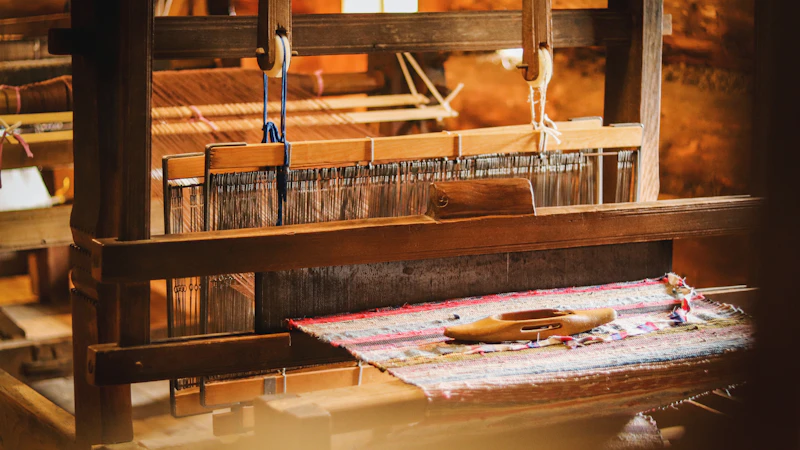
How do you collect DPP data from tier 2 and tier 3 suppliers?
Passport data starts in spinning mills, dye houses and fabric mills that most brands never contract directly. A practical method for mapping, requesting, verifying and maintaining upstream supplier data.

DNA tracers, isotopes, RFID or blockchain: which traceability technology works?
Fashion traceability tools answer different questions. DNA markers and isotope tests check the material, RFID tracks the item, and blockchain secures the record. A sober comparison of what each can prove.
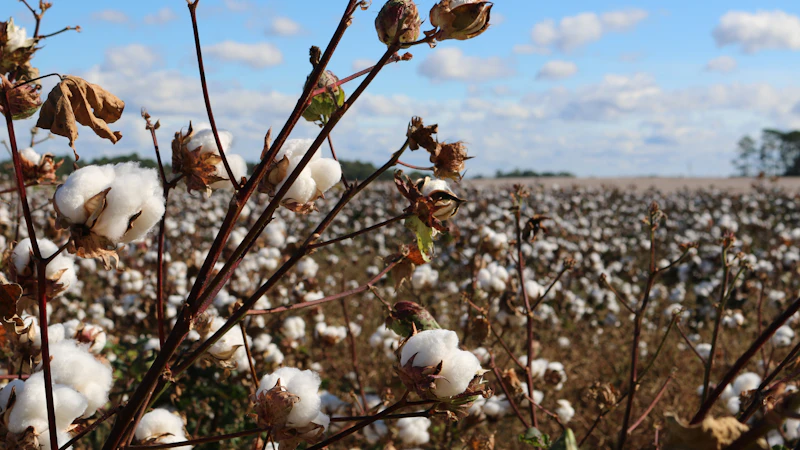
Forced-labour rules: what must fashion brands prove under UFLPA and the EU ban?
The US presumes goods linked to Xinjiang are made with forced labour; the EU ban applies to all products from December 2027. What each rule requires, and what evidence fashion brands need to hold.
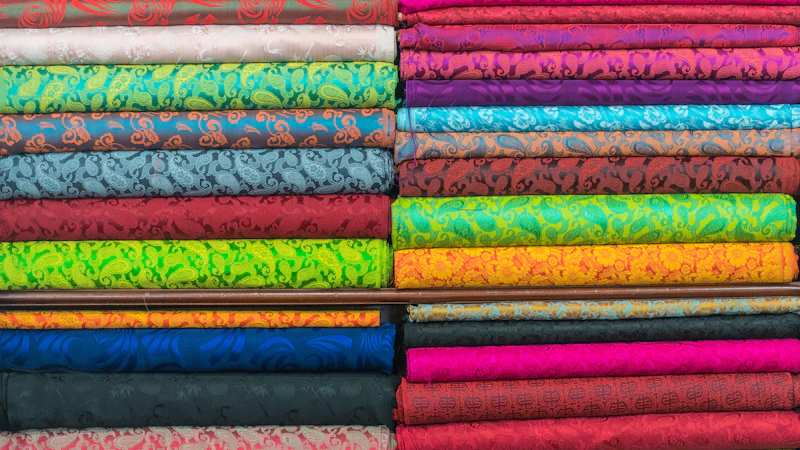
Lead times in fashion: why a season starts a year early
From trend research to delivery in store, a traditional fashion season takes many months to build. Where the time goes, what drives it and how brands compress it.
Nearshoring in fashion: the trade-offs
Moving production closer to end markets promises speed, flexibility and resilience. It also raises unit costs and narrows capability. How to decide what to bring closer and what to leave.

Supply chain traceability in fashion: where to start
Regulators, retailers and consumers increasingly ask where clothes come from. A practical guide to mapping suppliers, collecting data and building traceability step by step.