Hidden Champion: Prym, the fastener maker keeping fashion together
The 496-year-old German company produces 15 million press fasteners a day and leads the world market for rivetable snap systems, yet few consumers know its name.

KEY TAKEAWAYS Summary by the editors
- Prym manufactures around 15 million press fasteners daily from 10 production sites spanning Europe, Asia and America.
- The company developed the S-spring mechanism in 1903, perfecting the modern press fastener still used across the apparel industry today.
- In 2019, Prym launched L.I.F.E. certified fasteners that reduce water use by 65 per cent and chemicals by 98 per cent compared to conventional processes.
- With roots dating to 1530, Prym remains majority family-owned and employs around 3,300 people globally across four independent divisions.
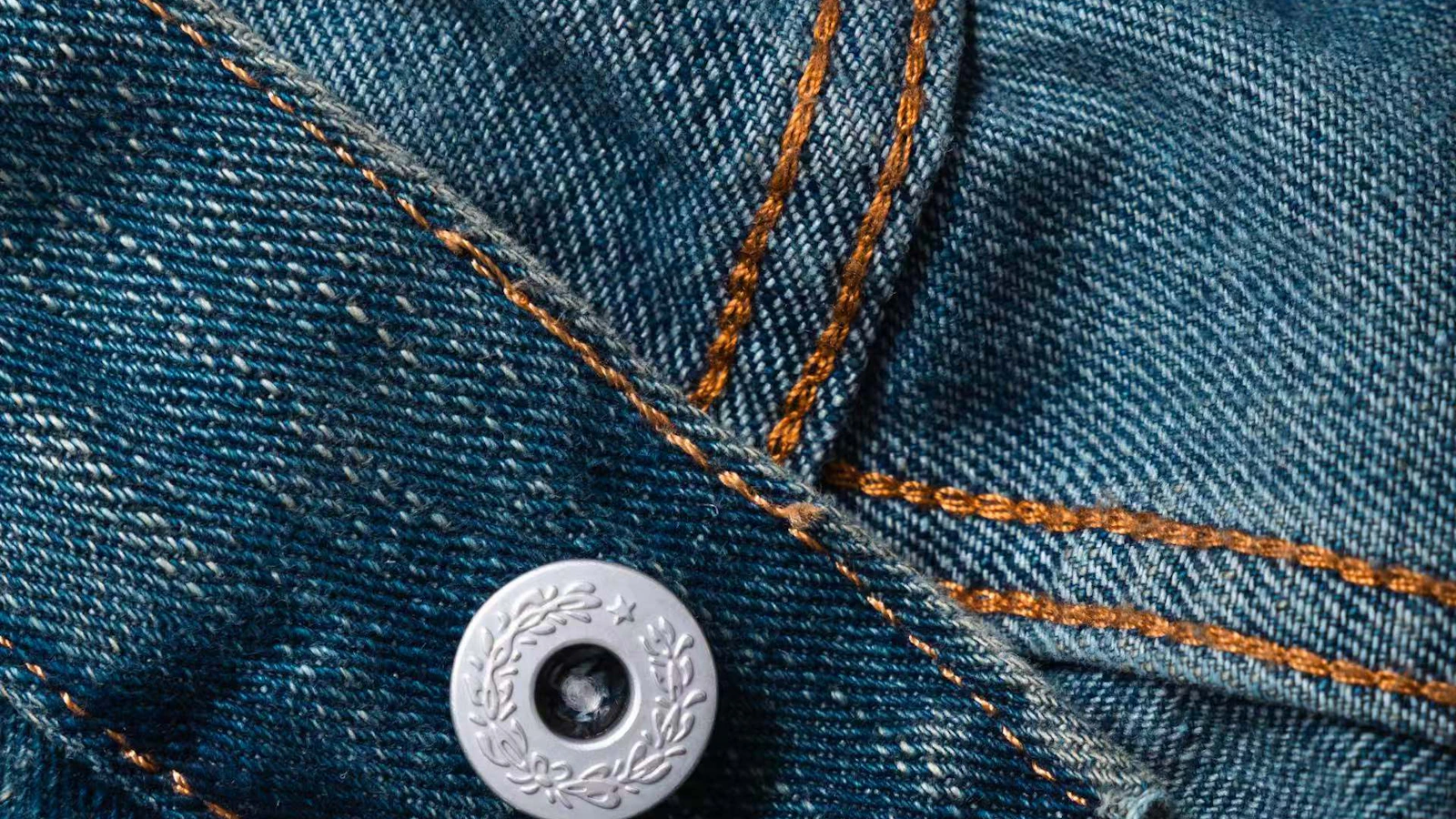
Every jacket, every pair of jeans, every baby romper needs a fastener. The press stud that closes a Levi's jacket or a sportswear anorak is likely to have been made by Prym, a company in Stolberg, Germany, that most shoppers have never heard of. Prym Fashion holds a leading position as the world's primary supplier of rivetable press fastening systems, including snap fasteners, rivets and eyelets, to the apparel and textile industries.
The company manufactures around 15 million press fasteners every day. In 1903, Hans F. Prym developed the s-spring which ensures the press fastener can be closed and opened easily while at the same time the press fastener is securely closed, an innovation that became the industry standard and remains at the heart of billions of fasteners worldwide more than a century later.
What does Prym make and who buys it?
The Prym Group is a worldwide successful family of companies with around 3,500 employees (2022) and sites in Europe, Asia, and America. Today, the company is structured into four independent divisions: Prym Consumer, Prym Fashion, Prym Intimates and Inovan. Prym Consumer supplies sewing and craft accessories to retailers and hobbyists. Prym Fashion is the leading solution provider for fashionable fastening systems and accessories for active wear, jeans, baby and kids wear as well as work wear and luxury leather items for customers in the apparel and textile industries. Prym Intimates manufactures hooks, wires and components for lingerie and swimwear. Inovan produces electromechanical components for automotive and electronics industries.
Thanks to market expertise built up over generations, Prym produces a wide range of completely reliable fastening systems: press fasteners, zip fasteners, jeans buttons and rivets, eyelets and washers for every application. The company does not publicly disclose the names of specific apparel brand customers, but its fasteners are used throughout the global clothing industry, from high-fashion leather goods to mass-market children's wear.
How big is the company and who owns it?
The company's roots go back to 1530, when Wilhelm Prym worked as a goldsmith in Aachen. This makes Prym one of the oldest industrial companies in Germany and one of the most traditional in the world. In 1642, the company moved from Aachen, Germany, to Stolberg (Rhineland), Germany, where the headquarters remain today. The company is still majority-owned by the Prym family.
Prym Fashion, the fastener division, generated 111 million euros in sales and employs 630 employees across 16 locations. The wider Prym Group employs around 3,300 people around the globe. The group operates 24 locations worldwide and 10 production sites worldwide. Prym Fashion is an international group of companies, represented in more than 40 countries, with sites in Europe, America, Asia and Africa.
Source: Prym Group, LinkedIn, 2023
Why does Prym lead its niche?
The foundation of Prym's market position is a technical breakthrough from 1903. Hans Friedrich Prym improved the press fastener, already invented in 1885, by inventing a double S-spring. He developed the s-spring which ensures the press fastener can be closed and opened easily while at the same time the press fastener is securely closed. This seemingly simple innovation solved a fundamental problem: how to make a fastener that is both easy to use and secure. The patent became the basis for mass production.
In 1909, the first machine to insert the spring automatically was put into operation. Preceding World War II, Prym implemented the first automatic spring-insertion machines, streamlining fastener assembly and boosting efficiency amid growing demand for haberdashery items like hooks, eyes, and snaps. The company's ability to manufacture at industrial scale, combined with control over the patented S-spring design, allowed it to dominate the market through the 20th century.
By the 1970s, Prym employed 4,000 people in Stolberg. The company weathered post-war reconstruction and globalisation by expanding internationally and diversifying its product range. In 1988, Prym acquired Schaeffer-Scovill, a German manufacturer of snap fasteners, closures and other garment accessories, and the American company Dritz, a manufacturer of sewing accessories. In 1992, Prym acquired the Italian button manufacturer Fiocchi.
- 1530Wilhelm Prym works as goldsmith in Aachen
- 1642Company relocates to Stolberg
- 1903Hans F. Prym develops S-spring press fastener
- 1909First automatic spring-insertion machine operational
- 1988Acquisition of Schaeffer-Scovill and Dritz
- 2019Launch of L.I.F.E. sustainable fastener programme
- 2024Prym Intimates opens Vietnam facility
Source: Prym Group, various sources
How does Prym use automation and technology?
Prym has been an automation pioneer since the early 1900s. The company developed its first automatic machines to insert the patented S-spring into fasteners over a century ago, and this focus on automated production has remained central to its manufacturing strategy. Today, Prym offers fully automatic attaching machines for the mass production of any Prym article, from Grip Fix through S-spring and ring spring press fasteners to 40 mm eyelets, adapted to the specific needs of customers.
The company offers the appropriate processing solution for every fastening system, with a choice of hand presses, pneumatic presses and fully automatic attaching machines to suit customer needs and ensure that products are securely attached to garments. Fast rivet attachment is possible at up to 3 to 4 rivets per second, with the product design permitting processing on a fully automated machine with up to 4 feeds.
Beyond manufacturing equipment, Prym does not publicly discuss investments in artificial intelligence, machine learning or digital platforms for design or supply chain management. The company's innovation focus remains on mechanical engineering, materials science and production efficiency rather than software-driven transformation. However, Prym Intimates ensures consistent product quality and service standards worldwide through standardised manufacturing platforms, processes and technology across all facilities, suggesting centralised production systems.
What sustainability initiatives has Prym launched?
In 2019, Prym Fashion announced the introduction of L.I.F.E. Certified fasteners, which are manufactured to significantly lower the process and environmental footprint compared to conventional manufacturing processes. L.I.F.E. stands for Low Impact Fastener Ensemble. The environmental impact of nine metal L.I.F.E. Certified fasteners compared to conventional processes includes water reduction of 65 per cent, electricity reduction of 16 per cent, chemicals reduced by 98 per cent, and hazardous waste reduced by 85 per cent.
The programme includes both metal and plastic fasteners. Prym Fashion's ecoWhite snaps are made from recycled plastic bottles, eliminating the use of crude oil and associated processing, with one recycled plastic bottle producing 13 snaps. Prym Fashion's ecoGreen snaps are made from plant-based renewable resources, such as potato starch, reducing fossil resources and greenhouse emissions, and are biodegradable and recyclable.
The Prym Group has committed to achieving carbon neutrality by 2040 across Scope 1, 2, and 3 emissions, aligning its ESG management with the European Sustainability Reporting Standards (ESRS) and United Nations Sustainable Development Goals (SDGs). The company has stated that a dedicated sustainability report is planned but has not yet published comprehensive sustainability data.
What risks and competition does Prym face?
Prym's history is not without blemish. In September 2007, the European Commission fined Prym €40.5 million as part of a €328 million penalty on participants in international cartels for metal fasteners, including zip fasteners and press-fasteners, active from the 1990s to 2003. The fine was later reduced on appeal, but the case highlighted antitrust issues in the fastener industry.
In terms of market competition, Prym faces pressure from other global fastener manufacturers. Companies like YKK Group, Scovill Fasteners, and Camco command substantial portions of the snap fastener market, estimated at over 150 million units annually collectively. YKK, best known for zippers, also manufactures snap fasteners and has a strong global presence. Other competitors include Japanese manufacturer Morito and various Chinese producers who compete primarily on price.
The fastener market is relatively mature, with limited opportunities for dramatic growth. Fashion brands are increasingly scrutinising suppliers on sustainability, labour practices and supply chain transparency, pushing companies like Prym to invest in certifications and environmental programmes. The shift of garment production to Asia has required Prym to establish manufacturing closer to customers. Prym Intimates operates manufacturing facilities in Sri Lanka, China, Indonesia and Vietnam, opened in 2024.
What can fashion companies learn from Prym?
Prym's story offers several lessons for fashion businesses. First, technical excellence in a narrow niche can create lasting value. The S-spring mechanism, developed in 1903, still defines the standard for press fasteners worldwide. Rather than diversifying away from fasteners, Prym deepened its expertise, invested in automation and built a global production network around a core competence.
Second, long-term family ownership can enable patient capital allocation. Prym is one of the oldest industrial companies in Germany and one of the most traditional in the world, surviving wars, economic crises and industrial transformation. Family control has allowed the company to maintain focus through cycles that might have prompted short-term shareholders to demand radical restructuring or sale.
Third, components matter. Fashion executives focus on design, fabric and brand, but the humble fastener determines whether a garment functions. A snap that fails after a few washes damages brand reputation. Prym's market position rests on reliability at scale, producing millions of fasteners daily with consistent quality. For fashion companies, this underscores the importance of supplier partnerships and quality control in parts that seem invisible to consumers.
Finally, sustainability is becoming table stakes even for B2B components. The L.I.F.E. programme demonstrates that environmental impact can be reduced significantly through process innovation, even in mature industries like metal fastener production. As brands face pressure to decarbonise their entire supply chains, component suppliers must adapt or risk losing contracts to more sustainable competitors.
Frequently asked questions
What is the S-spring and why does it matter?
The S-spring is a double-spring mechanism developed by Hans Friedrich Prym in 1903 that makes press fasteners easy to open and close while remaining securely fastened. This patented innovation became the industry standard and enabled mass production of reliable snap fasteners, forming the foundation of Prym's market leadership for over 120 years.
How many press fasteners does Prym produce?
Prym manufactures around 15 million press fasteners every day from its global production network of 10 sites. This high-volume output, sustained through automated manufacturing systems developed over more than a century, allows the company to serve the global apparel industry at scale.
What is Prym's L.I.F.E. programme?
L.I.F.E. (Low Impact Fastener Ensemble) is Prym's sustainability certification launched in 2019. L.I.F.E. certified metal fasteners reduce water use by 65 per cent, electricity by 16 per cent, chemicals by 98 per cent and hazardous waste by 85 per cent compared to conventional processes. The programme also includes plastic fasteners made from recycled bottles and plant-based materials.
Sources
- Prym Group: Company overview and history
- Prym Fashion: Company overview
- Wikipedia: Prym
- LinkedIn: Prym Group profile
- Factrail: Prym company overview
- Apparel Resources: Prym launches sustainable fasteners, 2019
- Just Style: Prym Fashion launches low impact metal fasteners, 2019
- FT Lanka: Prym Intimates expands to Vietnam, 2024