AI-generated fashion photography market hits $2.01B in 2025
Business Research Company data shows AI imagery segment grew to $2.01 billion in 2025 with 32.1% CAGR projected to 2029 as brands cut studio costs.

KEY TAKEAWAYS Summary by the editors
- The AI-generated fashion photography market reached $2.01 billion in 2025 and is projected to grow at 32.1% CAGR through 2029.
- Major retailers are replacing traditional studio shoots with AI-generated imagery to reduce production costs and speed time to market.
- Early adopters report cost savings of 50% to 90% compared to traditional photography whilst maintaining quality standards.
- Brands are using AI photography primarily for e-commerce product images, lookbooks and seasonal campaign variants.
The market for AI-generated fashion photography reached $2.01 billion in 2025 and is forecast to grow at a compound annual growth rate of 32.1% through 2029, according to data from The Business Research Company. The rapid expansion reflects fashion retailers' shift from traditional studio photography to synthetic imagery as brands seek to reduce production costs whilst accelerating digital content creation for e-commerce and marketing channels.
What is driving AI photography adoption in fashion retail?
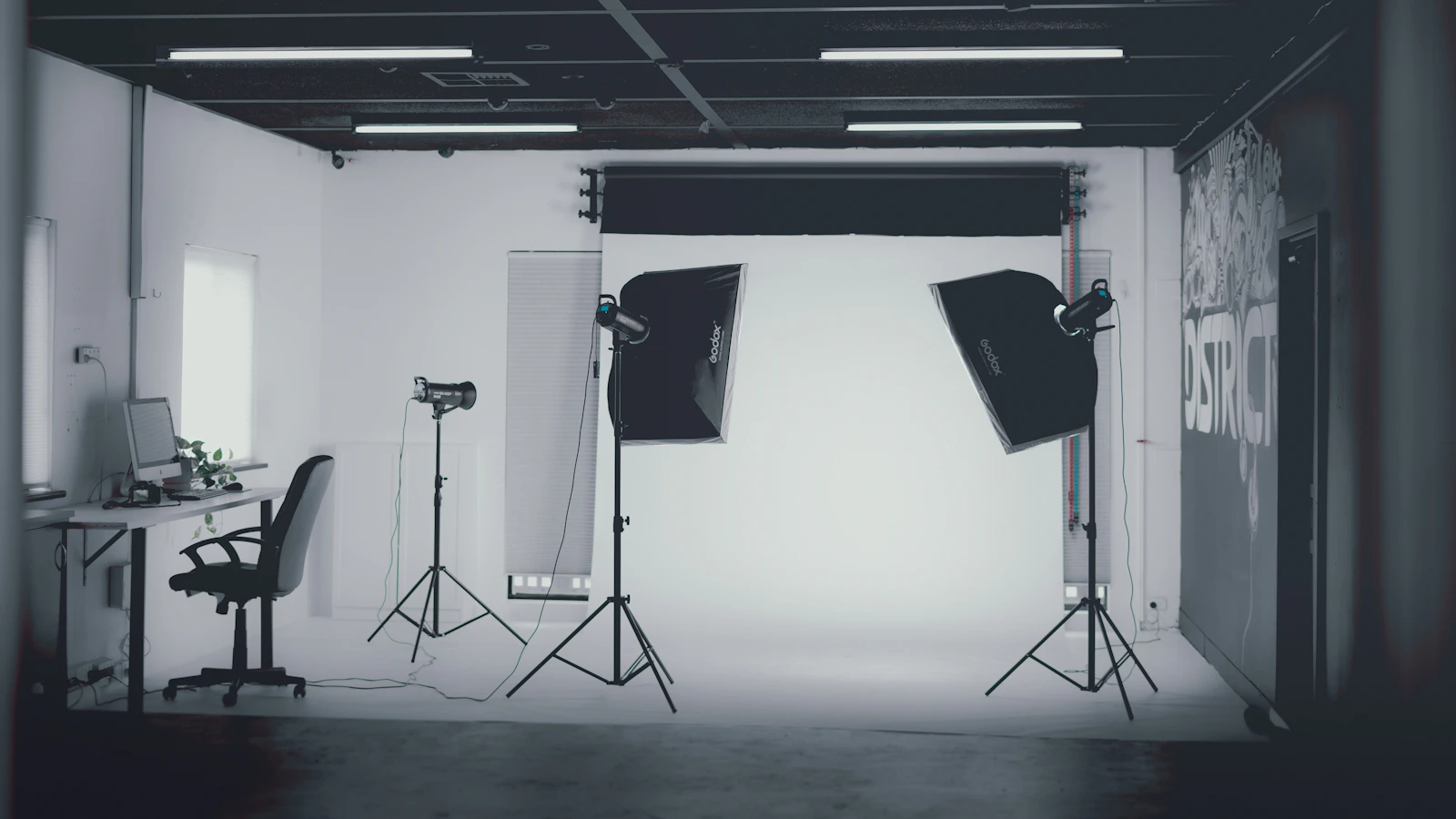
Fashion brands are adopting AI-generated imagery to address two persistent challenges: the high cost of traditional photo shoots and the lag between product development and online merchandising. Traditional fashion photography requires models, photographers, studios, stylists and post-production teams, with costs ranging from several thousand to tens of thousands of pounds per shoot depending on scale and market positioning.
AI photography tools allow merchandisers to generate product images by uploading garment photographs or 3D files and selecting virtual models, backgrounds and lighting scenarios. The technology produces finished images in hours rather than weeks, enabling brands to test multiple creative variations and respond quickly to trend shifts without committing to expensive studio bookings.
The appeal extends beyond cost. Brands can create diverse model portfolios without geographic constraints, generate seasonal campaign variants for different markets, and maintain visual consistency across thousands of SKUs. For vertically integrated fast-fashion retailers, the speed advantage is particularly valuable as it compresses the time between design approval and online availability.
Which brands have replaced studio shoots with AI imagery?
Several major fashion retailers have publicly acknowledged deploying AI-generated photography, though detailed financial disclosures remain limited. The technology has seen uptake across market segments, from fast fashion to premium brands, with applications ranging from e-commerce product pages to seasonal lookbooks.
Adoption patterns suggest brands are using AI photography selectively rather than replacing all traditional shoots. Common applications include basic product images for online catalogues, regional campaign variants, and testing creative concepts before committing to full production shoots. Heritage brands and luxury houses have been more cautious, maintaining traditional photography for flagship campaigns whilst experimenting with AI for secondary applications.
What cost savings are retailers reporting?
Early adopters have reported cost reductions ranging from 50% to 90% compared to traditional photography, though savings vary significantly based on implementation scope, existing photography costs, and quality requirements. The economic case is strongest for high-volume e-commerce operations that require thousands of product images annually.
Beyond direct photography costs, brands cite savings in model fees, studio rentals, travel, styling, and post-production editing. The technology also reduces opportunity costs associated with production delays and allows merchandising teams to launch products faster, potentially capturing sales that would be lost during traditional production timelines.
However, implementation costs include software licensing, staff training, and quality control processes. Some retailers have reported challenges with image consistency, representation accuracy, and customer acceptance, requiring investment in oversight and refinement. The technology performs best for standardised product photography and struggles with complex styling, movement, and fabric textures that traditional photography captures naturally.
How does AI photography affect creative and merchandising teams?
The shift to AI-generated imagery is reshaping roles within fashion creative departments. Photographers and stylists express concern about displacement, whilst digital merchandisers and art directors are assuming new responsibilities for prompt engineering, image curation, and quality assurance.
Some brands have reassigned traditional photography budgets to flagship campaigns and brand-building content whilst using AI for operational imagery. This bifurcation allows creative teams to focus resources on high-impact storytelling whilst merchandising teams manage routine product photography through automated systems.
The technology also raises questions about model diversity and representation. AI systems can generate images featuring diverse body types, ages, and ethnicities without casting constraints, but critics warn that synthetic models may lack authenticity and reduce opportunities for professional models. Several brands have faced customer backlash after deploying AI-generated imagery without disclosure, highlighting ongoing tensions around transparency and creative labour.
What are the quality and regulatory considerations?
Image quality remains variable across AI photography platforms. The technology excels at generating clean, well-lit product shots with neutral backgrounds but struggles with complex fabric textures, draping, and movement. Discerning customers can often identify AI-generated images through telltale signs such as unnatural hand positions, inconsistent lighting, and fabric rendering errors.
Regulatory scrutiny is increasing. Consumer protection authorities in several jurisdictions are examining whether AI-generated fashion imagery requires disclosure and whether synthetic models mislead consumers about product appearance or fit. Some brands have adopted voluntary disclosure policies, labelling AI-generated images in e-commerce catalogues, whilst others use the technology without explicit notification.
Intellectual property questions also complicate adoption. Fashion brands must ensure AI photography tools do not infringe on copyrighted designs, trademarked elements, or personality rights. Several technology providers have faced legal challenges over training data sources, prompting larger retailers to conduct IP audits before large-scale deployment.
What does the growth forecast suggest for the industry?
The projected 32.1% CAGR through 2029 indicates AI-generated photography will transition from experimental technology to standard infrastructure for many fashion retailers. At this growth rate, the market would exceed $6 billion by 2029, suggesting widespread adoption across retail segments and geographies.
The forecast assumes continued improvements in image quality, broader platform availability, and resolution of regulatory uncertainties. It also reflects fashion retail's broader digital transformation as brands invest in technologies that reduce costs, increase speed, and enable mass customisation.
However, growth depends on consumer acceptance and creative industry adaptation. If customers reject AI-generated imagery or regulators impose strict disclosure requirements, adoption may slow. Traditional photography will likely persist for premium brands, flagship campaigns, and applications where authenticity and craftsmanship remain core brand values. The market is evolving towards a hybrid model where AI handles operational imagery whilst traditional photography serves strategic brand-building purposes.
Frequently asked questions
What is the projected CAGR for AI-generated fashion photography through 2029?
The Business Research Company forecasts a compound annual growth rate of 32.1% for the AI-generated fashion photography market from 2025 through 2029, with the market reaching $2.01 billion in 2025.
How much can fashion brands save using AI photography versus traditional shoots?
Early adopters report cost savings ranging from 50% to 90% compared to traditional photography, depending on implementation scope, existing photography costs, and quality requirements. Savings include reduced model fees, studio rentals, travel, styling, and post-production editing costs.
Do fashion brands need to disclose AI-generated product images to customers?
Disclosure requirements vary by jurisdiction and remain under regulatory review. Some brands have adopted voluntary disclosure policies and label AI-generated images in e-commerce catalogues, whilst others use the technology without explicit notification to customers.