Hidden Champion: Vibram, the Italian sole maker behind Nike and Prada
The family-owned firm produces over 40 million rubber soles a year for more than 1,000 brands, from outdoor giants to luxury houses.

KEY TAKEAWAYS Summary by the editors
- Vibram produces more than 40 million soles annually for over 1,000 footwear brands across 120 countries.
- The company reported revenues of approximately 232 million dollars in 2024, with worldwide sales surpassing 340 million dollars in 2022.
- Luxury brands including Moncler, Prada, Balenciaga and Jimmy Choo use Vibram soles alongside outdoor specialists like Nike and Arc'teryx.
- The company remains family-owned by the Bramani family, now in its fourth generation, and invests between 5 and 10 per cent of turnover in research.
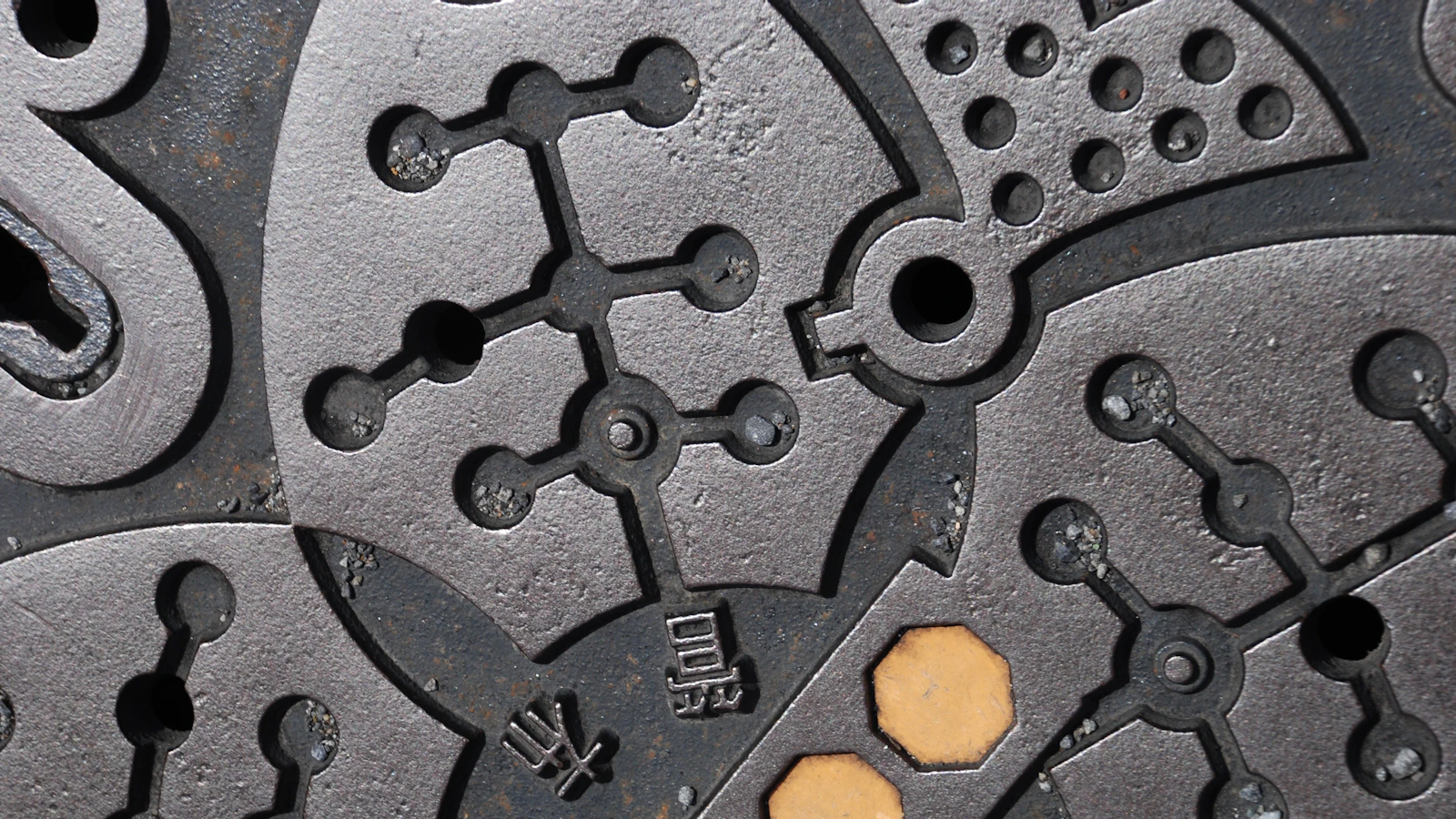
When a mountaineer wears Moncler boots on the slopes, a runner laces up Nike trail shoes, or a luxury customer steps into Prada footwear, the same yellow octagon often appears underfoot. That logo belongs to Vibram, the Italian company that has spent nearly 90 years perfecting the rubber soles that keep millions of feet gripping the ground.
The group sells in 120 countries and produces more than forty million pairs of soles a year, yet most consumers have never heard its name. The first successful ascent to the summit of K2 was made by an Italian expedition wearing Vibram rubber on their soles in July 1954, cementing a reputation that now spans from extreme alpinism to Paris Fashion Week.
What does Vibram make and who buys it?
Vibram is an Italian company based in Albizzate, Italy, that manufactures and licenses the production of Vibram-branded rubber outsoles for footwear. The company does not make shoes. Instead, it designs and produces the rubber soles that other brands attach to boots, trainers, hiking shoes and even high-fashion footwear.
By Vibram's own count, more than a thousand manufacturers now use its soles, among them Red Wing and Timberland at the workwear end of the market, but also Moncler, Jimmy Choo and Veja. Its client list ranges from sports giants to outdoor footwear makers and includes Nike, Canada's Arc'teryx and Japanese sandal specialist Suicoke. Several brands use Vibram soles in their footwear, including Nike, Merrell, L.L. Bean, Keen, Reebok, and New Balance. High fashion houses like Maison Margiela, Mark McNairy, Giorgio Armani, and Prada also use Vibram in their footwear.
Several unexpected collaborations have been spawned, ranging from those with high-fashion houses Bally and Balenciaga to a link-up with trainers specialist Hoka. Vibram's new credentials resulted in a first pop-up space at Paris Fashion Week in January, presenting specialist soles, as well as new footwear styles.
How large is the company?
The company went into business in 1937 and was named after Italian mountaineer and brand founder Vitale Bramani. Vibram Soles continues to operate out of its headquarters in Albizzate, Italy, and, though public, is still managed by members of the Bramani family. The company remains under the control of the Bramani family, with leadership now in the hands of the fourth generation.
Worldwide sales passed $340 million in 2022, while the Albizzate company reported revenues of about $232 million in 2024 after a weaker 2023. Vibram produces more than 40 million soles every year, dedicates over one million kilometres to testing, is present in 120 countries and has manufacturing, research and representation bases in the USA, China, Japan, Brazil and Italy.
Vibram total number of employees in 2025 was 711, a 10.9% increase from 2024. Vibram total number of employees in 2024 was 638, a 3.4% decline from 2023. The company operates production facilities in Italy, the United States and China, with research and development centres in Europe, North America and Asia.
Source: L'Italo-Americano, 2024; Revelio Labs, 2025
Why does Vibram dominate its niche?
Vibram soles are a market leader in hiking soles, chosen by shoe manufacturers for their reputation for traction and durability. The company's edge comes from both technical mastery and decades of accumulated knowledge in rubber compound chemistry.
Vibram also had the backing of another famous Italian, Leopoldo Pirelli of Pirelli tires. Vibram's produced soles in the same manner as Pirelli's tires, Bramani's rubber soles provided superb traction on a wide variety of surfaces, as well as being extremely durable. That early partnership with tyre technology gave Vibram a manufacturing advantage that persists today.
The company offers dozens of specialised compounds and tread patterns. This includes the lightweight Morflex for shock-absorbing lifestyle use, the Arcticgrip for trekking over wet ice, the Megagrip for hiking and travel on dry and wet terrains, and the Ecostep, which is made with at least 30% recycled Vibram rubber. Vibram introduces Ecostep, an innovative eco-mix, which incorporates production scraps, capable of reducing waste and the use of virgin materials by up to 30%. Vibram pioneered the use of ecological materials.
Over the past four years, its U.S. business has doubled. Consumers are not just noticing Vibram's quality - they are actively requesting it from their favorite brands, which has strengthened our collaborations. However, as we move towards more premium footwear with higher price points, I find that having a Vibram sole becomes a more important factor. In fact, after a certain price point, I would even go as far to say that a Vibram sole is almost an expectation. Nearly all customers will choose a pair of shoes with a Vibram sole over a pair without because of the brand's reputation.
How does Vibram use technology and innovation?
Today Vibram's investments in research and development range from 5% to 10% of annual turnover. The company operates research centres in three continents. Since 2009, the Vibram Technological Center has been the driving force behind our product innovation and represents the pinnacle of our technical expertise. It functions as a dedicated R&D platform that both diversifies Vibram's technology portfolio and deepens our integration with key industry players.
Vibram Connection Lab is a nevralgic center of innovation and creativity in the heart of Milan's Tortona Design District. Developed at Vibram Connection Lab in Milan, Vibram Wrap Tech is a sole wrapping the shoe upper, making it more functional and eco-friendly. As Vibram approaches its 90th anniversary, it is working hard to stay up to date by investing in a series of design and innovation hubs in Milan, Boston and Los Angeles.
The company has explored digital product innovation. More recently, it has been adapting digital technology, for example prototyping smart soles with built-in sensors and Bluetooth that communicate data to smartphone and smartwatch apps. The Vibram Smart Sole wirelessly communicates with smartphones and smartwatches to actively interact with the wearer. At a research center in China, at the heart of Guangzhou's shoe manufacturing district, Vibram is working on shoes that will recharge digital devices as you walk, and shoes for the blind that transmit walking directions through vibrations in the sole.
That demand gave birth to Vibram's Litebase technology, a construction method that has full rubber coverage on the bottom of the shoe, but with a reduced sole thickness. Vibram Traction Lug is the innovative, new design concept that focuses on the key element in traction, the shape of the lug. Thanks to athletes' know-how, and the constant drive by Vibram to enhance grip and traction, Vibram's Traction Lug revolutionizes your activity outside: increased traction up to 25%.
Vibram's strategy and success in the digital era are concentrated on innovation of the product, the experience and interaction with customers, as well as the distinctive competencies of the company's original business: producing rubber soles. Thanks to this approach, the company has established a reputation for excellence in production, continual innovation and an impassioned search for new materials. One of Vibram's strengths is its in-house Research and Development (R&D) department. Vibram has developed internal testing protocols for evaluating slip resistance and other crucial characteristics of soles.
- 1937Vitale Bramani founds Vibram and patents the Carrarmato rubber lug sole
- 1945First production facility opens in Albizzate, Italy
- 1954Italian climbers complete first ascent of K2 wearing Vibram soles
- 1964Partnership with Quabaug in Massachusetts begins U.S. production
- 2009Vibram Technological Center opens in China
- 2015Vibram acquires Quabaug Corporation, establishing U.S. manufacturing base
- 2024First pop-up at Paris Fashion Week; collaboration with Nike and Balenciaga
Source: Company history, various sources
What risks and competition does Vibram face?
Vibram faces competition from both specialised sole makers and footwear brands developing their own compounds. Salomon developed its own Contagrip compound family and has largely moved away from Vibram. Michelin (the tire company) supplies outsole rubber to several brands including Under Armour and some trail running shoes. The compound quality is good but the product range is narrower than Vibram's. Major brands like Nike, New Balance, and Hoka develop their own outsole compounds.
The shift towards fashion creates both opportunity and risk. In 2020, the flange-forward footwear began making its carefully planned attack on the fashion industry at large, with the launch of Balenciaga's high-heeled Vibram collab. This collection combined the luxury label's signature sock boot silhouette with the toe-centric contour Vibram is known for. Fashion collaborations can generate demand but may also dilute the brand's outdoor performance credibility if not carefully managed.
Another challenge is maintaining premium pricing as brands develop in-house alternatives. The company's business model depends on footwear makers valuing the Vibram name enough to pay more than generic sole suppliers charge. He's been working with them since the early 1990s, through stints at Lacoste, Wolverine, and his current gig, and though Vibram soles cost more than their competitors, it's a cost that companies are willing to front and customers are willing to swallow.
Private ownership by the Bramani family provides strategic stability but may limit access to capital for rapid expansion compared to publicly traded competitors. The company must balance heritage and innovation whilst navigating the fashion industry's volatility alongside the steady outdoor market that built its reputation.
What can fashion companies learn from Vibram?
Vibram demonstrates how a component supplier can build a consumer-facing brand without competing with its customers. The yellow octagon creates value for footwear brands by signalling quality to end users, a model relevant for textile mills, zipper makers and other B2B suppliers considering direct consumer engagement.
The company shows that technical credibility earned in extreme conditions translates to mainstream markets. The same sole technology that conquered K2 in 1954 now appears on fashion runways, proving that performance credentials can elevate luxury products rather than constraining them to purely functional categories.
Long-term family ownership enables patient investment in research and development. Vibram's investments in research and development range from 5% to 10% of annual turnover, a level that might be difficult to sustain under quarterly earnings pressure. This commitment to R&D has produced innovations like Litebase, Megagrip and Arctic Grip that maintain competitive advantage.
Finally, Vibram's expansion into fashion occurred after decades of establishing technical authority. The company did not chase trends but waited for fashion to recognise the value of performance, then strategically engaged through collaborations and events like Paris Fashion Week. For fashion suppliers, this suggests that deepening expertise in a core competency can be more valuable than premature diversification.
Frequently asked questions
Does Vibram make shoes or only soles?
Vibram primarily manufactures and licenses rubber outsoles for other footwear brands. The company does produce a small number of its own shoes, notably the FiveFingers minimalist footwear line, but the vast majority of its business involves supplying soles to more than 1,000 footwear manufacturers worldwide.
Which luxury brands use Vibram soles?
Luxury and premium fashion brands using Vibram include Moncler, Prada, Jimmy Choo, Balenciaga, Bally, Maison Margiela, Giorgio Armani, Veja, and Off-White. These collaborations span from outdoor-inspired luxury to high-fashion runway pieces, demonstrating Vibram's reach beyond traditional outdoor footwear.
How much does Vibram invest in research and development?
Vibram invests between 5 and 10 per cent of its annual turnover in research and development. The company operates technological centres in Italy, the United States and China, and maintains innovation labs in Milan, Boston and Los Angeles to develop new compounds, sole designs and technologies.
Sources
- L'Italo-Americano: Vibram: The Italian Sole Behind Nike's Latest Collaboration
- Monocle: How Vibram's shoes are treading from hiking trails onto runways
- Shop Eat Surf: Vibram Doubles U.S. Business Post-COVID by Blending Function with Fashion
- SDA Bocconi: Customer-centric digital transformation at Vibram
- Vibram: Company website and history
- Revelio Labs: Vibram employee data
- Reviewed: What is a Vibram sole? The history of Vibram outsoles
- Diginomica: FiveFingers maker Vibram puts sole into social media