Asia's apparel export power shifts as Cambodia surges and China retreats
Cambodia and Indonesia gain share while China hits its lowest global clothing export share since 2010. Vietnam and Bangladesh consolidated second and third positions by 2025.

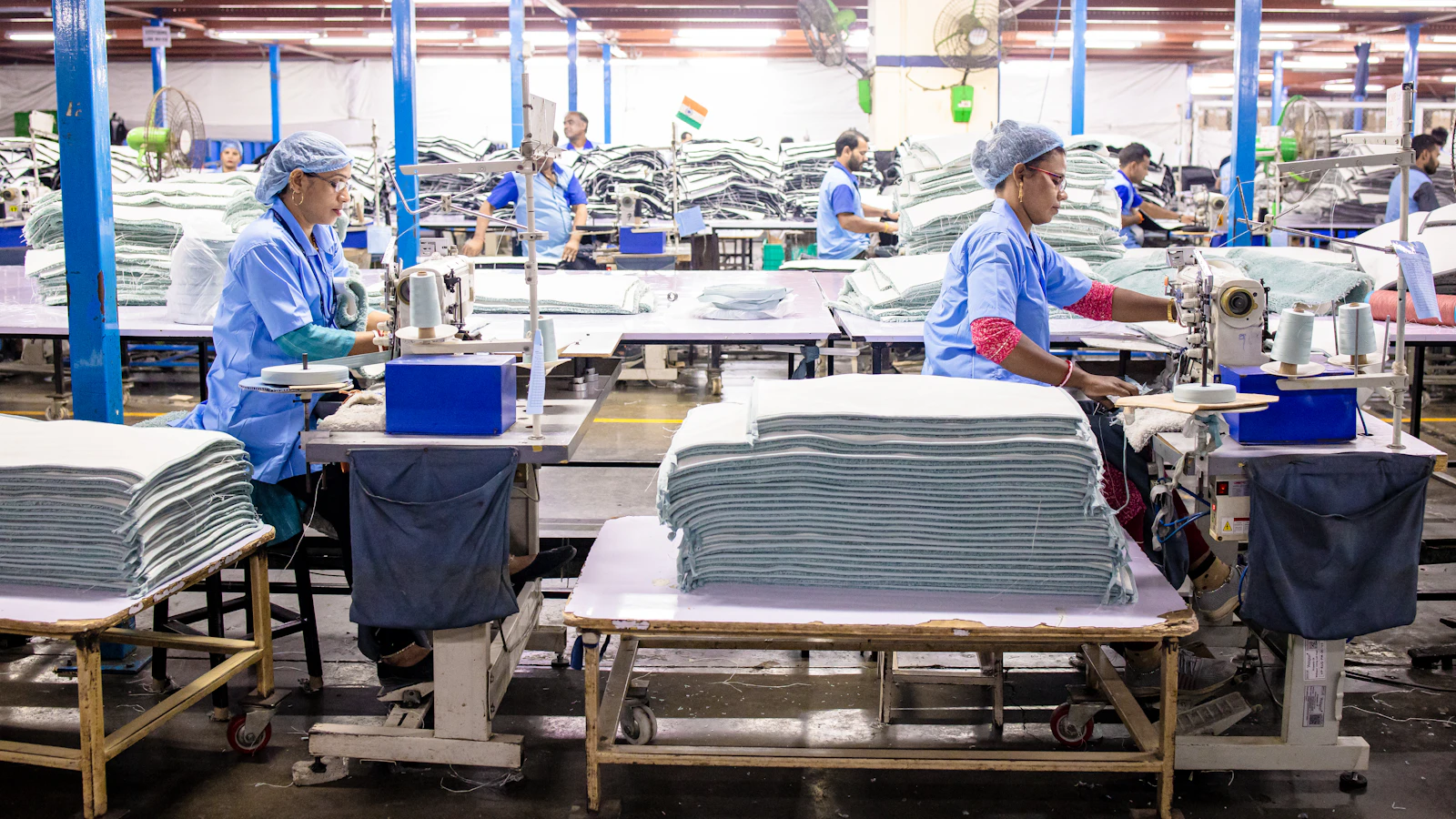
KEY TAKEAWAYS Summary by the editors
- China's share of world clothing exports fell to 29.6 per cent in 2024, its lowest level since 2010, according to WTO data.
- Cambodia's apparel exports surged 16.5 per cent to about 11.4 billion dollars in 2025, outpacing most regional competitors.
- Bangladesh became the world's second largest apparel exporter by 2025, rising from 14th place in 2006.
- Indonesia's textile export volumes rose 3.08 per cent year on year in the first quarter of 2024, signalling growing order flows.
Which Asian countries gained export share in 2025 and 2026?
Cambodia emerged as one of the strongest performers in 2025, with apparel exports surging 16.5 per cent to about 11.4 billion dollars. Despite an overall downturn in United States apparel imports, Cambodia recorded a sharp increase of 18.43 per cent in the first two months of 2026, while Indonesia also grew by 4.2 per cent. In the first four months of 2026, whilst the value of US apparel imports decreased by 12 per cent, imports from Vietnam rose 1.3 per cent, Indonesia rose 2.3 per cent, and Cambodia rose 14.2 per cent.
Egypt rose 14.7 per cent and Turkey rose 6.4 per cent, also becoming more popular sourcing destinations. According to ARC Group, in the first quarter of 2024, foreign demand for Indonesian textile products by volume rose 7.34 per cent year on year, whilst apparel export volumes increased 3.08 per cent year on year.
How has China's position in global apparel exports changed?
The latest data from the World Trade Organization shows that whilst China's market share in world clothing exports fell to 29.6 per cent in 2024, the lowest level since 2010, China's market share in textile exports increased to 43.3 per cent in 2024, up from 41.5 per cent a year earlier. China's textile and apparel exports declined about 1.9 per cent year on year to roughly 293 to 294 billion dollars during January to November 2025, reflecting weaker garment shipments despite relatively resilient upstream textile exports.
China's exports to the United States dropped significantly by 57.65 per cent in the first two months of 2026. Over the same period, US apparel imports from China fell 50.2 per cent, India fell 28.0 per cent, and Bangladesh fell 11.2 per cent. Particularly for China and India, the much higher tariff rates imposed on their products were among the critical factors behind their loss of sourcing orders.
Where do Bangladesh and Vietnam stand in 2026?
In its August 2026 issue of The Textiles Observer, the ICAC reported that, whilst China remains the largest exporter, Bangladesh has risen from 14th place in 2006 to become the world's second largest exporter by 2025, with Vietnam advancing from 21st to third position. Combined with China, these three nations accounted for roughly 44 per cent of global apparel exports in 2025.
Bangladesh, the world's second largest apparel exporter, saw RMG exports decline 2.6 per cent to about 19.3 billion dollars during July to December FY2025 to 2026 as global demand softened. Chinese shipment of apparels to the US fell higher at a significant 34.20 per cent to 4.55 billion dollars, placing Bangladesh 110 million dollars ahead and in second position. According to the newest Office of Textiles and Apparel figures across January to July 2026, Vietnam continued to retain its prime position with 9.36 billion dollars, a drop of marginal 1.03 per cent.
In 2025, Bangladesh accounted for 10.53 per cent of US apparel imports, exporting garments worth about 8.2 billion dollars. Vietnam, by contrast, captured a 21.5 per cent market share with exports approaching 16.7 billion dollars.
What role does supply chain structure play?
According to the newly released 2025 OECD trade in value added estimation, as of 2022, a country's apparel exports commonly contain value added created in another country due to the use of imported textile materials and other inputs. Other emerging apparel sourcing destinations in North, South, and Central America, as well as the EU, also used substantial imported inputs for their apparel exports, such as Mexico (27.3 per cent foreign value added), Türkiye (23.9 per cent foreign value added), and Egypt (19.7 per cent foreign value added).
Apparel exports from several countries in Asia, such as Vietnam and Cambodia, often contain 20 per cent to 30 per cent of value created in China. These exports are mainly destined for South and Southeast Asian countries, with India, Vietnam, Bangladesh, Pakistan, and Indonesia together accounting for 38.1 per cent of China's total apparel and textile machinery exports in 2024.
How are US and European buyers responding?
So far in 2025, January to October, in value, Asian countries together accounted for 73.0 per cent of US apparel imports, higher than 71.6 per cent in 2024 over the same period. Analysis of US Department of Commerce trade data published by Sheng Lu Fashion shows that as of April 2026, about 70 per cent of US apparel import value still came from Asian countries, whilst the Western Hemisphere share sat near 16 per cent and was broadly stable rather than surging.
Around 65 per cent of US fashion executives are looking to expand sourcing from India, whilst 63 per cent favour Indonesia, and 61 per cent plan to deepen ties with Cambodia. At the firm level, approximately 60 per cent of large companies with 1,000 or more employees reported sourcing from ten or more countries in 2025, a notable increase from the 45 to 55 per cent range reported in 2022 and 2023 surveys.
Although Asia remained the dominant sourcing region, utilisation rates for several leading Asian suppliers, including China, Vietnam, and Bangladesh, declined. Meanwhile, sourcing expanded from non Asian destinations such as Guatemala, Egypt, and Jordan, and US apparel imports from regions outside Asia reached their highest share in more than a decade.
What are the implications for sourcing strategy?
Only about 21 per cent of those surveyed plan to procure goods from additional nations through 2027, a sharp decline from nearly 59 per cent in 2025. The latest survey data shows respondents sourced apparel from 49 countries, up from 46 in 2025. Many respondents emphasised supplier consolidation, stronger strategic partnerships, improved traceability, and greater operational resilience.
In textile products, growth was 7 per cent in the first six months of the year compared to the first six months of 2024. Year on year growth in merchandise export volume for the first half of 2025 was positive in most WTO regions, with Asia leading growth at 10.4 per cent. The patterns suggest that whilst buyers are diversifying sourcing locations, Asian producers remain structurally central to global apparel supply, with rising textile capacity supporting downstream garment production across the region.
| Country/Region | Key 2025-2026 trend |
|---|---|
| China | Clothing share fell to 29.6% (2024), textile share rose to 43.3% |
| Bangladesh | Became world's 2nd largest exporter; US imports down 11.2% (Jan-Apr 2026) |
| Vietnam | Remained top US supplier at $9.36bn (Jan-Jul 2026), up from 21st (2006) |
| Cambodia | Exports surged 16.5% to $11.4bn (2025); US imports +18.43% (Jan-Feb 2026) |
| Indonesia | Textile volumes +7.34%, apparel +3.08% (Q1 2024); US imports +4.2% (Jan-Feb 2026) |
| India | US imports down 28.0% (Jan-Apr 2026) due to tariffs; 65% of US buyers seek expansion |
| Sri Lanka | Exports reached $5.32bn in 2025 (+8.7%); targeting $5.5bn in 2026 |
Frequently asked questions
Which country is the largest apparel exporter in 2026?
China remains the world's largest apparel exporter but its share of global clothing exports fell to 29.6 per cent in 2024, the lowest since 2010. Bangladesh is second and Vietnam third, with the three countries together accounting for roughly 44 per cent of global apparel exports in 2025.
Why did Cambodia's apparel exports grow so quickly in 2025?
Cambodia's apparel exports surged 16.5 per cent to about 11.4 billion dollars in 2025, driven by double digit expansion in both knitted and woven garment exports, supported by improving order flows and higher factory utilisation. The country also recorded an 18.43 per cent rise in exports to the United States in the first two months of 2026.
Are US apparel buyers moving away from Asia?
No. Asian countries together accounted for 73.0 per cent of US apparel imports in value from January to October 2025, higher than 71.6 per cent in 2024 over the same period. As of April 2026, about 70 per cent of US apparel import value still came from Asian countries, whilst the Western Hemisphere share sat near 16 per cent and was broadly stable.
Sources
- Just Style: China retains global garment export lead as Bangladesh, Vietnam close gap
- Apparel Times BD: Global Apparel Export Trends 2025-26
- Textiles Resources: US Apparel Imports 2026: Bangladesh Overtakes China
- Market.US: Indonesia Textiles Market Size, Share
- Sheng Lu Fashion: Patterns of Global Textile and Apparel Trade (October 2025)
- Financial Times (Sri Lanka): Sri Lanka projects $5.5b from apparel exports in 2026
Researched and drafted with AI support, reviewed and released by the editorial team.