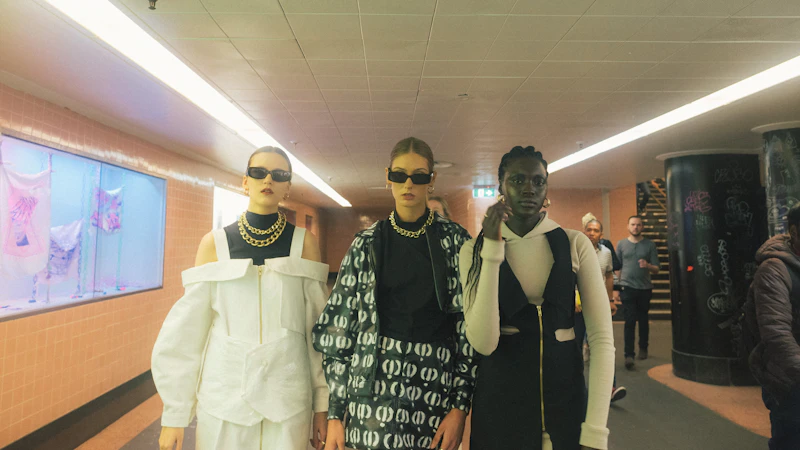
What is AI in fashion? A complete guide to AI across the fashion value chain
From design and planning to wholesale, supply chain and e-commerce: what artificial intelligence really does in fashion today, what data it needs and where its limits are.

The EU AI Act is in force, and the Digital Omnibus has moved the high-risk deadlines. What already applies to fashion brands and retailers, what comes next and where the real exposure lies.
Where artificial intelligence creates real value between brands and retail partners, what data it needs, how buyers already use it and where the limits are.
From design and planning to wholesale, supply chain and e-commerce: what artificial intelligence really does in fashion today, what data it needs and where its limits are.

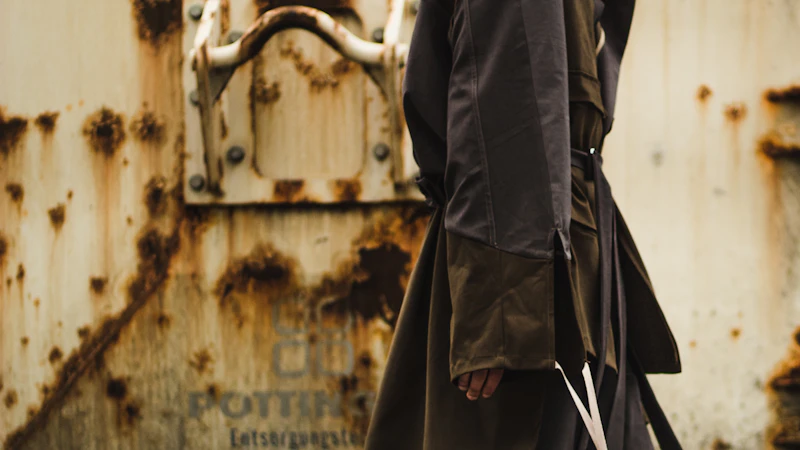
Shein says it orders new designs in batches of 100 to 200 pieces and scales them on demand signals. How the data-driven model works, what is claimed, and why regulators and designers criticise it.


A Guess advert featuring an AI-generated model ran in Vogue US in August 2025 with a small disclosure line. The backlash, and new disclosure laws since, set out what brands now need to get right.
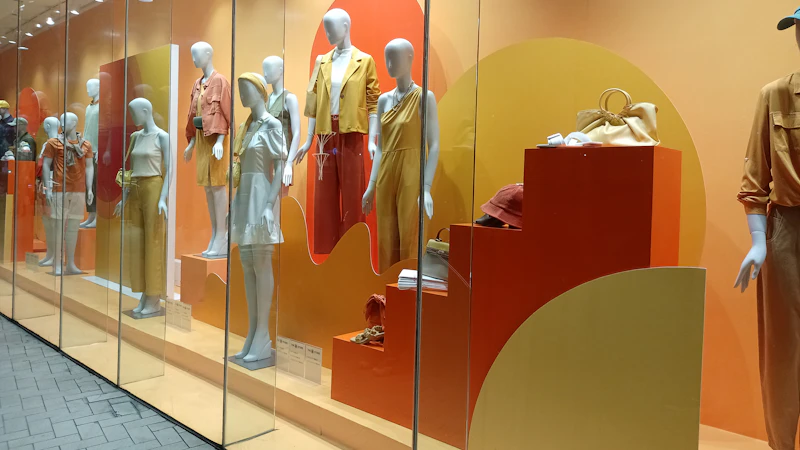
H&M has applied analytics and AI to buying quantities, store allocation and pricing since 2018, and to campaign imagery since 2025. What is documented, and what it has not disclosed.
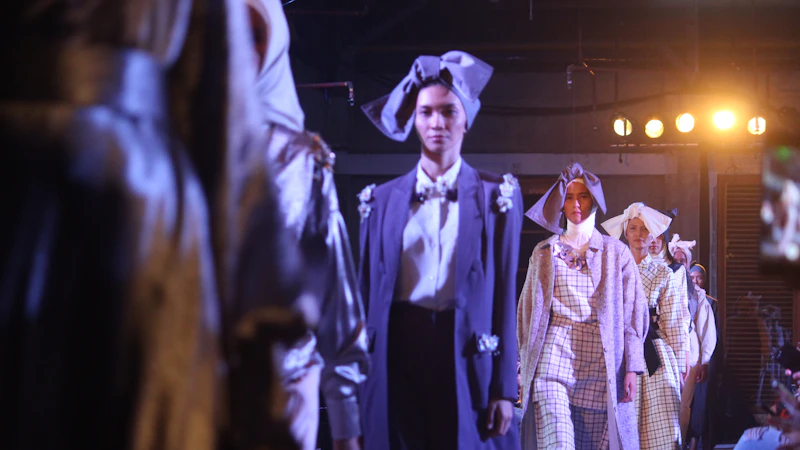
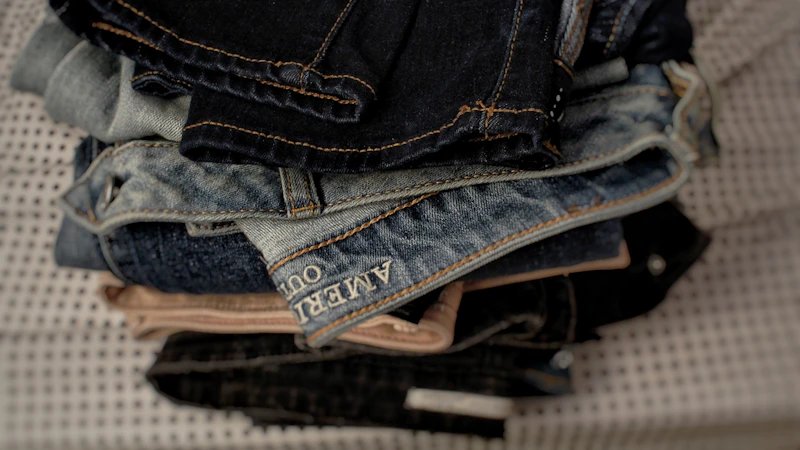
AI between brands and retailers: showrooms, orders, re-orders.
More than 35% of fashion and luxury executives surveyed for the BoF-McKinsey State of Fashion 2026 report said their companies were already using generative AI in areas such as online customer service, image creation, copywriting, consumer search or product discovery.
73% of global fashion executives surveyed for the State of Fashion 2024 Executive Survey said generative AI would be a key priority for their businesses in the following year.
62% of fashion leaders in the same State of Fashion 2024 survey said their companies already used generative AI, for example for online shopping assistance and writing product descriptions; this is a different survey wave and question from the 2026 figure above.
In the State of Fashion 2024 Executive Survey, marketing and copywriting was the most cited generative AI use case (34% of respondents), followed by design and product development (28%).

AI shopping assistants, agentic checkout, virtual try-on and enterprise agents: a sober look at which fashion technology trends are delivering in 2026 and which are still mostly promise.
EU rules affecting fashion products, verified against official sources.
One edition every weekday morning. Read in five minutes. Free for industry professionals.