AI-generated design handover checklist: what merchandising needs from design
When design teams use generative AI, six documentation requirements now govern the handover to merchandising: source disclosure, editable files, colour specifications, print-ready files, style references and approval sign-off records.

KEY TAKEAWAYS Summary by the editors
- The EU AI Act has required visible disclosure of AI-generated imagery since 2 August 2026, with brands responsible for labelling synthetic content.
- Copyright registration in the United States demands disclosure of AI-generated material and description of human-authored contributions.
- Editable source files and prompt logs provide evidence of human authorship needed for intellectual property protection.
- McKinsey reports that 48 per cent of global fashion brands now integrate machine learning models for design support as of early 2026.
When design teams use generative AI, six documentation requirements now govern the handover to merchandising: source disclosure, editable files, colour specifications, print-ready files, style references and approval sign-off records. By early 2026, over 48 per cent of global fashion brands had integrated machine learning models to support trend forecasting, collection planning and 3D sample generation, yet the handover process lags behind adoption. Teams that skip documentation steps risk rejected copyright applications, non-compliant product pages and factory delays.
Why does AI use require disclosure in fashion design handovers?
From 2 August 2026, Article 50 of the EU AI Act makes AI-generated product imagery a provenance question, with transparency rules starting to apply to the AI-generated imagery brands publish. A brand that takes AI-generated or AI-modified content and puts it on a storefront where a shopper could mistake it for a traditional photo owns the disclosure. The deployer-side obligation applies to fashion retailers selling into the European Union, regardless of where the design team sits.
67 per cent of respondents' organisations use AI-generated or AI-edited imagery in commercial content, yet among them only 16 per cent always disclose or label it. This disclosure gap creates legal exposure under regulations that became applicable in August 2026.
In the United States, an applicant whose work includes AI-generated material must disclose that material and briefly explain what the human author contributed, with AI-generated content that is more than de minimis excluded from the application. The design handover document should state where AI tools were used and identify the human-authored elements for copyright purposes.
What editable files must accompany AI-generated designs?
Merchandising teams require production-ready file formats that factories and suppliers can open, edit and manufacture from. AI can generate visual concepts, pattern references and design variations, but it does not automatically create production-ready patterns that factories can use for manufacturing. The handover must include vector files for prints, graded patterns in standard formats and layered source files that allow downstream changes without regenerating the entire asset.
Brands increasingly maintain prompt logs, version histories and review notes tying each significant design decision to a specific human role, embedding this documentation into PLM records or 3D asset management systems to provide evidence for later copyright or design registrations. Version control becomes critical when disputes arise over authorship or when suppliers request clarification on construction intent.
Teams should retain editable formats such as Adobe Illustrator (.ai) for vector graphics, CLO or Browzwear native files for 3D garments and parametric pattern files (.dxf) for grading. Flattened image exports alone do not meet production requirements.
How should colour specifications be documented when AI generates designs?
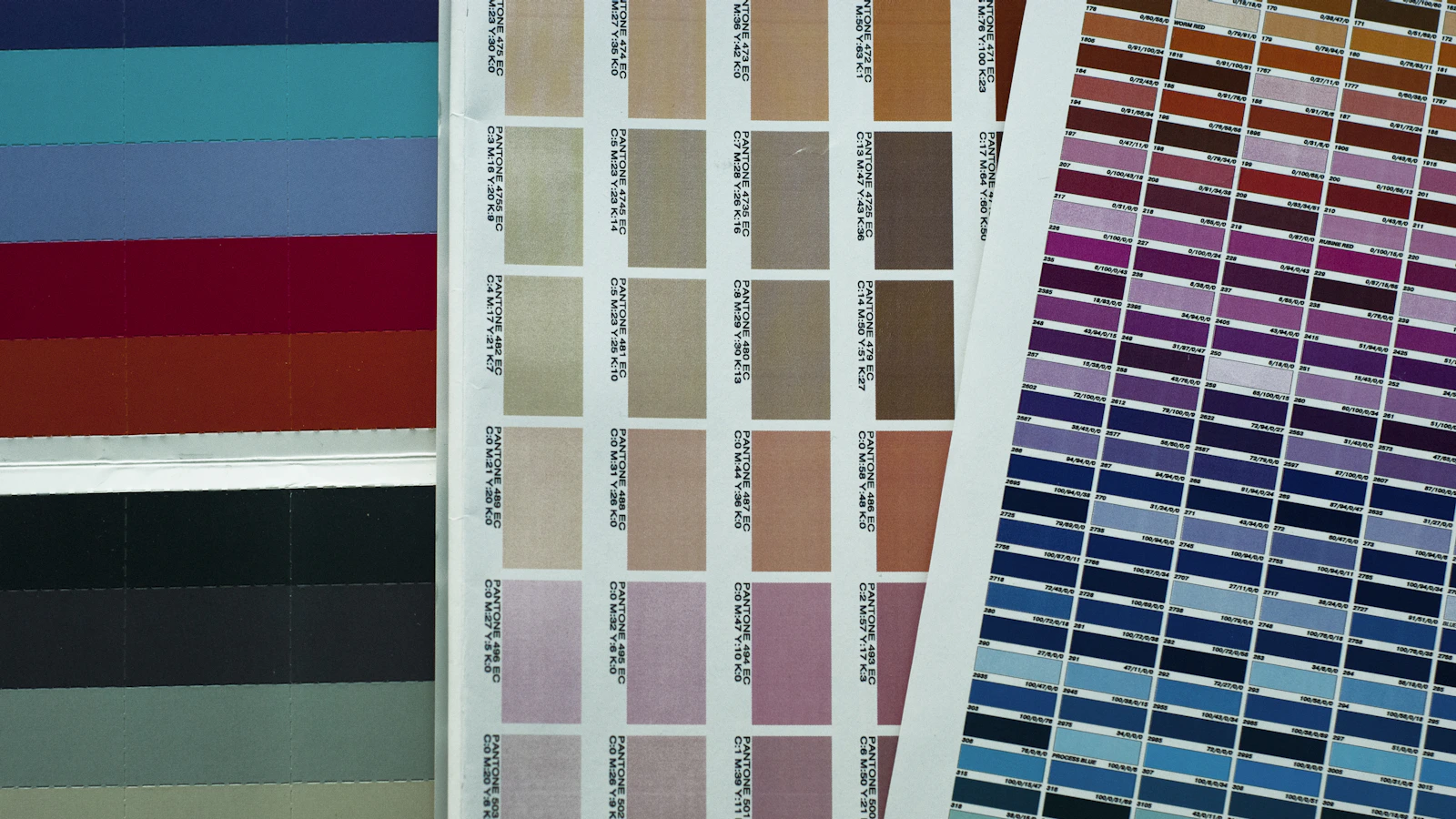
Generative outputs frequently produce colours that exist on screen but cannot be matched in physical production. The handover checklist must include Pantone references, CMYK or RGB values depending on production method, substrate specifications and tolerance ranges for acceptable variation. Deployed tools cluster in variation, visualisation and development paperwork such as tech packs, colourways and 3D samples, while the sketch and fitting remain human work.
When AI tools generate colourway variations, the design team should validate at least one physical sample or digital proof against a calibrated reference before releasing the palette to merchandising. Unvalidated AI colour outputs risk production delays when dye lots cannot match the approved digital file.
What constitutes print-ready files in an AI-assisted workflow?
Print-ready files for textile or graphic applications require resolution, bleed, repeat specifications and file format requirements agreed with the production vendor. AI-generated prints often need manual cleanup to remove artifacts, repair text elements and simplify transitions that do not survive printing or embroidery.
The handover document should specify whether the print file is intended for digital textile printing, screen printing, heat transfer or embroidery, as each method requires different file preparation. An approved design becomes an editable tech pack draft in 8 to 10 minutes, with output including BOM, POM, grading, tolerances and callouts in platforms purpose-built for fashion workflows, though human review remains mandatory before factory release.
Why are style references required when AI generates the design?
Alice + Olivia founder Stacey Bendet has used generative tools to create print ideas and accelerate mood-board development before moving designs into sampling, with designers remaining responsible for editing and finalising garments. Style references document the human creative direction that guided AI outputs, providing context for merchandising decisions and factory interpretation.
Reference boards should identify the prompt inputs, human-selected outputs, manual edits applied after generation and comparable commercial styles that informed the brief. This documentation supports both intellectual property claims and production clarity when technical questions arise downstream.
What approval sign-off documentation protects both design and merchandising?
Approval documentation creates a controlled handover point that prevents scope creep and establishes accountability. The handover point needs a shared readiness rule, and it should not mean that design has finished a sketch. The sign-off record must confirm that all required files, specifications and disclosures have been delivered and accepted.
The approval checklist should include: confirmation that AI-generated elements are disclosed and labelled for compliance purposes, verification that editable source files accompany all final outputs, validation that colour specifications reference physical standards, acknowledgment that print-ready files meet production vendor requirements, attachment of style references and design intent documentation, and named approvers from both design and merchandising with date and version number.
A technical designer approves every production field before it goes to the factory, as technical review is required before manufacturing. This human-in-the-loop validation step remains non-negotiable regardless of how much AI assistance was used in the design phase.
| Requirement | File type | Purpose | Compliance driver |
|---|---|---|---|
| Source disclosure | Text document or metadata | Identify AI-generated elements and human authorship | EU AI Act Article 50, US Copyright Office guidance |
| Editable files | .ai, .dxf, .bw, native 3D formats | Enable production changes and grading | Factory requirements, IP documentation |
| Colour specifications | Pantone reference, calibrated swatch | Match digital output to physical production | Manufacturing accuracy, vendor specifications |
| Print-ready files | High-resolution raster or vector | Support textile printing, embroidery or transfer | Production vendor file format requirements |
| Style references | Mood board, prompt log, comparable styles | Document creative intent and human direction | IP protection, factory interpretation |
| Approval sign-off | Dated checklist with named approvers | Establish handover accountability | Internal governance, audit trail |
Frequently asked questions
Does using AI to generate a fashion design eliminate the need for tech packs?
No. AI tools accelerate concept visualisation and variation generation, but tech packs remain the production handover document that factories require. The tech pack must include construction details, grading, tolerances and material specifications that most generative AI outputs do not provide, and a technical designer must validate every field before manufacturing.
How should fashion brands label AI-generated designs for EU compliance?
From 2 August 2026, the EU AI Act requires deployers to provide visible disclosure where AI-generated content could be mistaken for traditional photography or human-created work. Brands should use plain language labels such as "AI-generated model image" or "Image generated with AI" at first exposure, alongside machine-readable metadata where the AI system provider supports it.
What documentation proves human authorship when AI tools are used in design?
Brands should maintain dated sketches, editable files, layer histories, pattern changes, selection notes, rejected outputs, prompt logs, version histories and correspondence that tie each significant design decision to a specific human role. This evidence supports copyright registration and design patent applications in jurisdictions that require human authorship for protection.
Sources
- Style3D: AI in Fashion: Comparing the 2025 Leaders with 2026 Breakthroughs
- Claimlane: EU AI Act Article 50: what changes on 2 August 2026 for fashion brands
- Modelia: The State of AI-Generated Content in Fashion: First Findings
- Hollywood Fashion: Copyright Office rules require human authorship for AI-assisted designs
- Style3D: Copyright Boundaries of AI Generated Fashion Designs for Brand Protection
- The F* Word: AI fashion workflow software, from trend to factory-ready tech pack