Merchandising
The planning and management of stock levels, allocation and pricing to maximise sales and margin. Glossary
How YOOX NET-A-PORTER uses AI for product content, merchandising and clienteling
From the 2018 YooxMirror avatar styling app to a virtual stylist and group-wide recommendation, search and copy tools: what YNAP and parent LuxExperience have published about AI.
How Primark builds supply chain data: traceability, planning and AI claims
Primark has described a supplier traceability programme built on purchase-order data. It has not published AI in range planning, so this case separates data from AI.
How bonprix uses AI for assortment, product ranking and pricing
The German online fashion retailer has published how it uses machine learning to cull weak styles, rank products daily and advise on size. Here is what is documented, and what is not.
How Abercrombie and Fitch plans assortments and inventory: what is public on AI
Abercrombie and Fitch talks about AI sparingly, but its Read and React model, ERP replacement and inventory discipline show how a data-led planner works. A sober look at what is documented.
What retail buyers want from brand AI tools: a buyer-side view
Brands are adding AI to wholesale, but buyers judge it by speed, data quality and trust. This analysis sets out what the available evidence suggests buyers want.

Forecast value added: proving a model beats the planner
Forecast value added compares each step of a forecasting process with a simple benchmark, so a team can see whether models and manual overrides improve accuracy or only add effort.
AI in visual merchandising and store layouts: what works today
AI is mature for checking shelf compliance and drafting store-specific plans, and far less proven for deciding creative display or layout. Most published benefits come from vendors.

Weeks of cover and GMROI: two stock metrics explained
One tells you how long stock will last, the other whether stock earns its keep. Formulas, uses and limits.
How to build a size and colour curve from sell-out data in a spreadsheet
A step-by-step method that corrects for stockouts, with the pitfalls that make naive curves wrong.

Merchandising data checklist: ten fields AI planning tools need
Ten data fields that decide whether a planning or forecasting tool can work, and the pitfalls in each.

How to build AI-generated assortment proposals for retail accounts
A pre-filled order proposal per account can save buyers and reps hours, if it rests on clean sell-in history, clear rules and a rep who checks it. A step-by-step guide.
Which styles should you drop before the sales campaign? How AI helps edit the line
Carrying too many styles into the selling campaign costs samples, minimums and margin. How AI scores styles before the line is shown to buyers, and where merchants must overrule it.
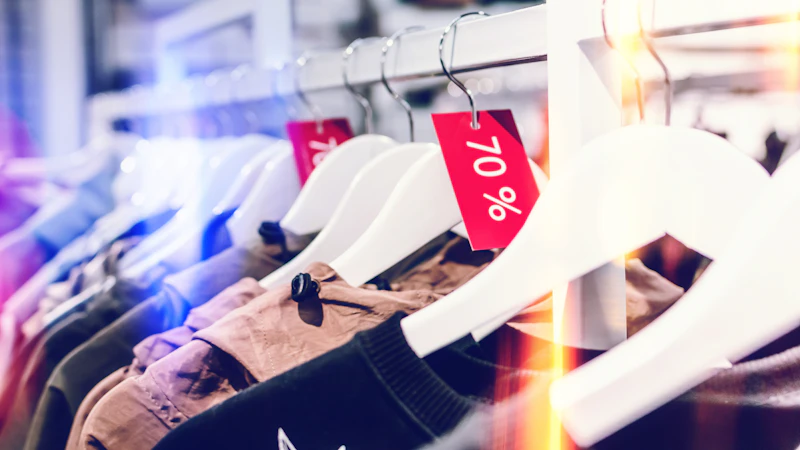
How can AI set the right initial price for a fashion product?
The initial price decides how much of a product sells at full price. How elasticity models estimate customer response to price for new items, what data they need, and how to use them without eroding the brand.

What is store clustering and how does AI improve it?
Store clustering groups doors with similar customers and demand so each group gets the right assortment and depth. How machine learning builds clusters, what data it uses and where the method has limits.
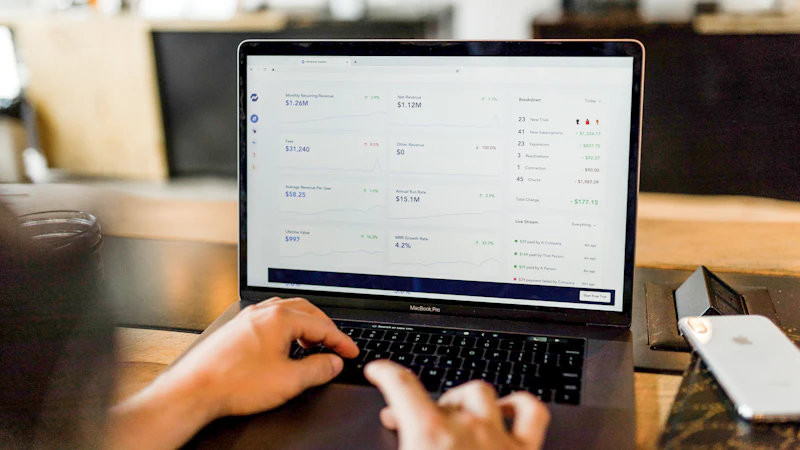
Machine learning basics for merchandisers: models, features and training data
What a model, a feature, a label and training data actually are, explained with fashion merchandising examples, and the questions a merchandiser should ask before trusting a forecast.

AI in fashion merchandising: what it does, what it needs and where it fails
Machine learning now supports forecasting, assortment, pricing and planning decisions in fashion. This guide explains the use cases, the data they depend on and how merchants stay in control.

How can AI support range and line planning in fashion?
Range planning decides how many styles, at which prices and in what depth a collection should have. AI can forecast new items and test scenarios, but the creative and strategic call stays human.

How can AI improve open-to-buy and merchandise budget planning?
Open-to-buy tells buyers how much they can still spend without breaking sales and stock targets. AI can keep that number current and more realistic, provided the plan behind it is sound.
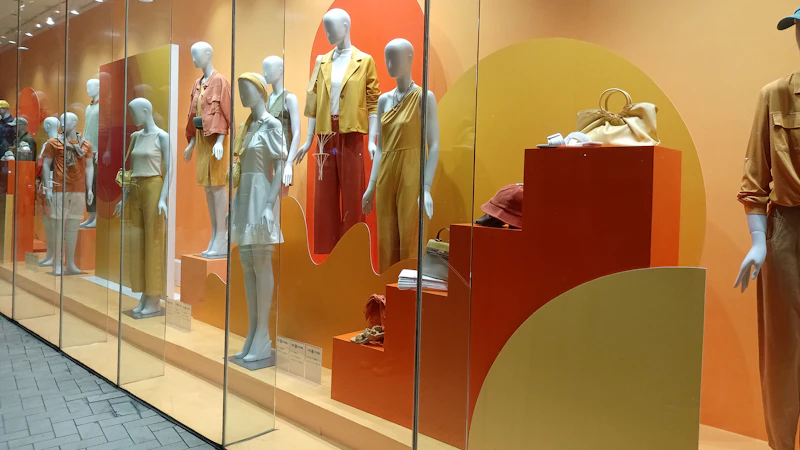
How H&M uses AI: demand, allocation and digital twins
H&M has applied analytics and AI to buying quantities, store allocation and pricing since 2018, and to campaign imagery since 2025. What is documented, and what it has not disclosed.
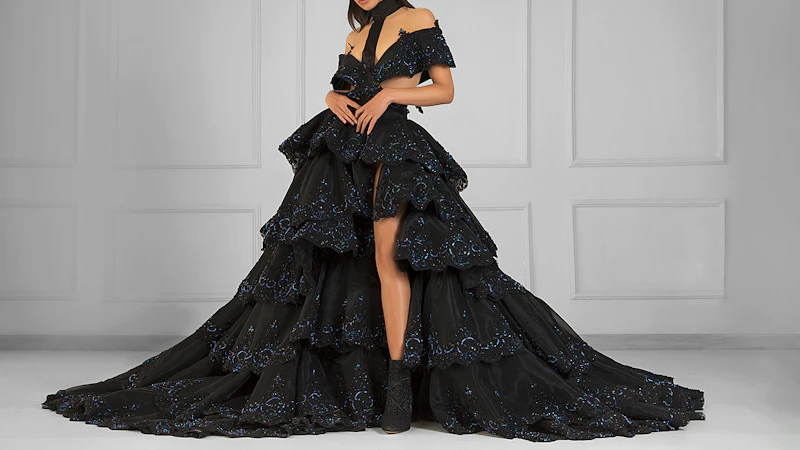
How Stitch Fix uses AI: algorithms plus human stylists
Stitch Fix pairs recommendation algorithms with about 1,700 part-time stylists, and has added generative AI tools such as Vision. How the hybrid model works and what the numbers show.

AI for merchandisers and planners: a practical guide
How AI supports merchandise financial planning, forecasting, allocation, replenishment and markdowns in fashion, what data it needs, what planners still decide and how to start.

How can brands use early-booking discounts without eroding margin?
Early-booking incentives buy demand information and production certainty. A guide to pricing them, choosing the right form and checking whether they pay off.
Getting sell-out data via EDI: SLSRPT, INVRPT and what to do with them
Sales and inventory reports from retail partners show brands what actually sells, store by store and size by size. How the two EDI messages work and how merchandising teams can use them for re-orders.

How do you turn AI trend reports into range and buying decisions?
AI trend platforms describe what is rising; a range plan needs quantities, prices and risk limits. A practical workflow for moving from signal to buy.

Using AI in assortment planning without losing the brand
AI can sharpen depth, breadth and size decisions in assortment planning. The risk is a range that drifts towards safe averages. How to use the tools while keeping the brand's point of view.
AI and pricing: markdown optimisation explained
Markdown optimisation uses demand models to decide when and how deeply to discount. How it works, what it needs, and why brand and wholesale relationships must set its limits.

Open-to-buy explained: how fashion retailers budget their buying
Open-to-buy tells a buyer how much stock can still be purchased without breaking the plan. Here is how it is calculated, used and commonly misused.
The retail buying calendar: a year in the life of a fashion buyer
Fashion buyers work across several seasons at once. How the buying year is structured, what happens at each stage and how the calendar is shifting.