Omnichannel
A retail strategy that lets customers browse, buy, collect and return across stores, web, app and marketplaces as one connected experience. Glossary

How Breuninger uses AI in personalisation and omnichannel retail
Breuninger's data science team built an AI photo retouching tool that became a start-up, and its omnichannel services are well ranked. Public evidence for AI personalisation is thin.

How Macy's uses data and AI to reshape its omnichannel business
Macy's says it has 35 AI use cases and pilots across supply chain, merchandising and service. This case study sets out what the company has reported, the guardrails it describes and what is still unmeasured.
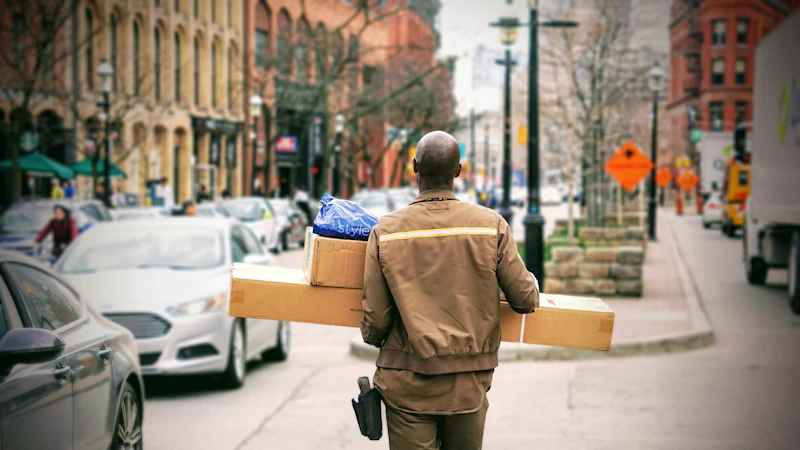
Rebalancing stock between stores and online with AI
Rebalancing moves inventory to where it will sell. AI helps decide what to move and when, but transfer costs, stock accuracy and fulfilment rules decide whether it pays off.

How Next plc turned its data and Total Platform into a growth engine
Next runs warehousing, websites and customer service for other brands through Total Platform, built on systems it develops in-house. Here is how the model works, what the numbers show and where AI now fits.

How Nordstrom uses AI for personalisation, search and stylists
Nordstrom's refreshed app blends generative AI with stylist content, learns from shopper behaviour and keeps a direct route to human stylists. What the retailer has announced, and what it has not.

How does AI allocation and replenishment work across stores and channels?
Allocation decides where stock goes first; replenishment decides what follows. AI makes both decisions at size and location level. Here is how it works, what it needs and where it struggles.
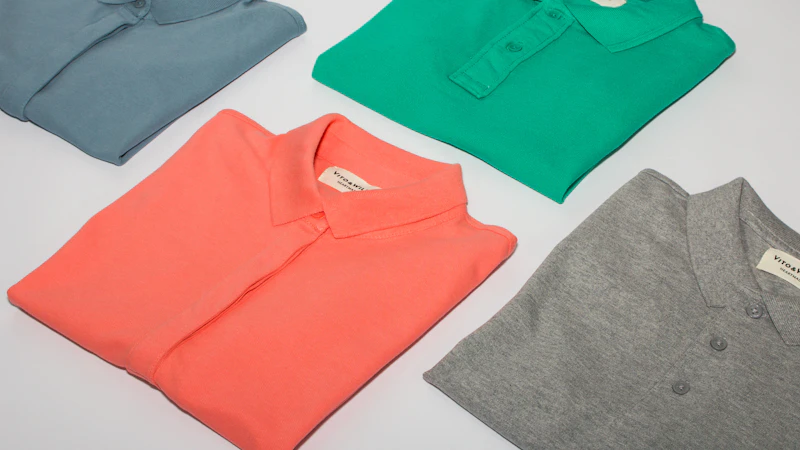
How do fashion brands syndicate product data to retailers and marketplaces?
One PIM, many channels: how to structure, map and validate fashion product data so wholesale partners and marketplaces accept it the first time, and where AI helps.

How should fashion brands manage the inventory risk of TikTok micro-trends?
Micro-trends rise and fade faster than most supply chains can react. How to decide when to chase, how to size bets and how AI helps read the curve.

AI in clienteling: how next-best-message works, and where privacy sets limits
AI can suggest which client to contact, with which product or trade-in offer, and draft the message. GDPR, the Swiss nFADP and the EU AI Act decide how far that automation may go.

How do you measure clienteling ROI across store, chat and online?
Clienteling sales happen in the store, in a chat thread and on the website, often weeks apart. A credible ROI needs clear attribution rules, a control group and honest costs.

Ship-from-store and endless aisle: what do the OMS and store staff need?
Using stores as mini warehouses and selling beyond the shelf both depend on accurate stock, a capable order management system and store teams with time and clear rules.
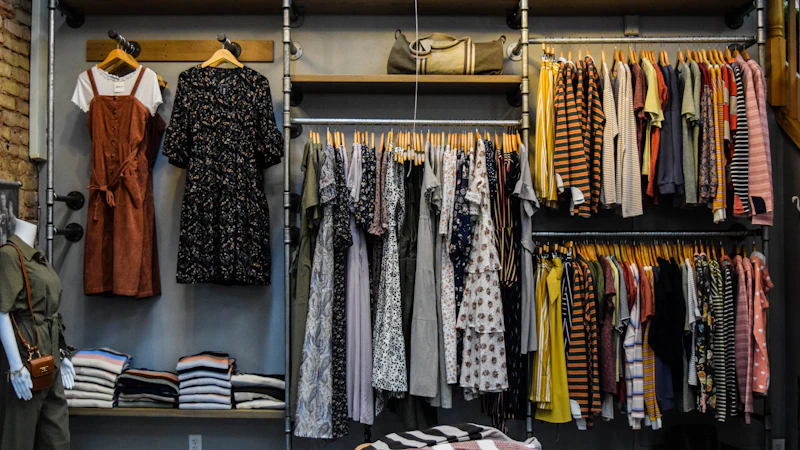
How do brands share inventory with wholesale partners in a connected retail model?
Brands and retailers increasingly sell each other's stock: retailers list store inventory on platforms, brands drop-ship for partners. The models work only with clean data, clear margins and agreed returns.

Omnichannel in fashion retail: what it actually requires
Omnichannel is not a website plus stores. It is a set of shared data, stock, processes and incentives that let customers move freely between channels.

Inventory visibility across channels: the basics for fashion businesses
Stock that cannot be seen cannot be sold. What inventory visibility means, which stock states to track and how to build it step by step.

What the physical fashion store is for now
Stores are no longer just places that hold stock. They are showrooms, service centres, fulfilment hubs and return points, and must be measured that way.

Endless aisle and drop shipping between brands and retailers
Retailers want wider ranges without more stock; brands want more sales from the stock they hold. How endless aisle and drop shipping connect the two.

Direct-to-consumer vs wholesale: rethinking the channel mix
The promise of DTC was higher margin and direct customer data. The reality includes acquisition costs, inventory risk and returns. Why the smart answer is usually a deliberate balance.