Stores
AI in visual merchandising and store layouts: what works today
AI is mature for checking shelf compliance and drafting store-specific plans, and far less proven for deciding creative display or layout. Most published benefits come from vendors.
Rebalancing stock between stores and online with AI
Rebalancing moves inventory to where it will sell. AI helps decide what to move and when, but transfer costs, stock accuracy and fulfilment rules decide whether it pays off.

Is AI for recruiting and staff scheduling high-risk under the EU AI Act?
Recruitment screening, task allocation and worker monitoring are listed as high-risk in the AI Act. What that means for fashion retailers, and why the 2027 delay is no pause.
What is store clustering and how does AI improve it?
Store clustering groups doors with similar customers and demand so each group gets the right assortment and depth. How machine learning builds clusters, what data it uses and where the method has limits.

How does AI allocation and replenishment work across stores and channels?
Allocation decides where stock goes first; replenishment decides what follows. AI makes both decisions at size and location level. Here is how it works, what it needs and where it struggles.
How is AI used in physical fashion stores?
From associate assistants and clienteling to computer vision for stock and checkout, AI is moving onto the shop floor. What works, what it requires and where privacy law draws hard lines.
How H&M uses AI: demand, allocation and digital twins
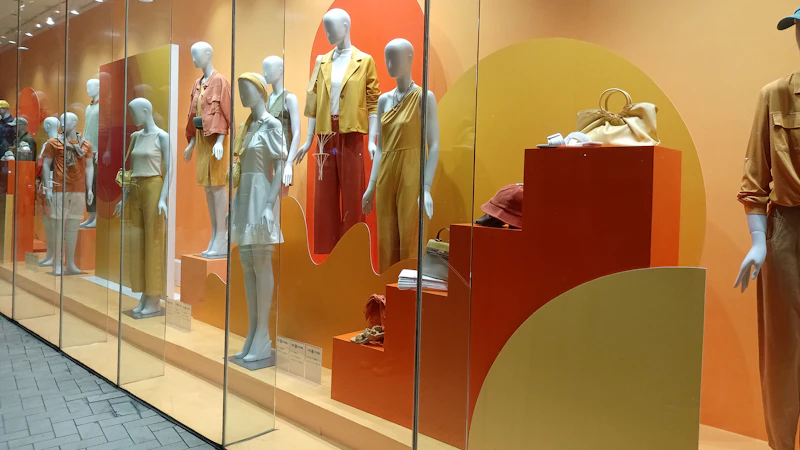
H&M has applied analytics and AI to buying quantities, store allocation and pricing since 2018, and to campaign imagery since 2025. What is documented, and what it has not disclosed.
How Inditex uses AI and data: RFID and a demand-driven supply chain
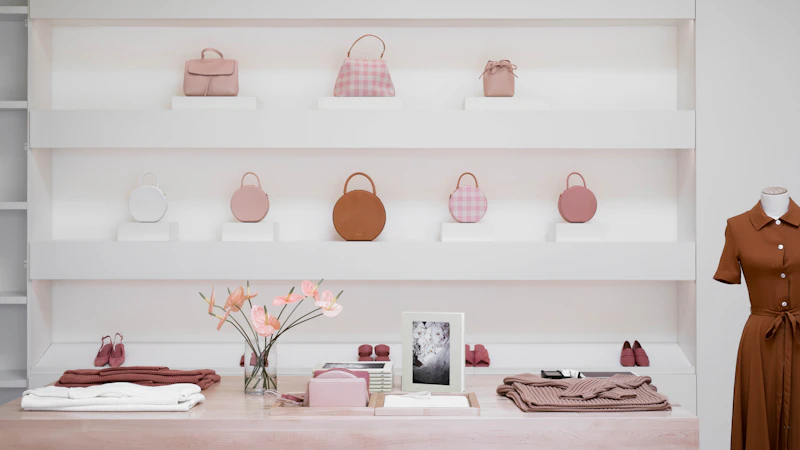
Inditex's edge rests on item-level RFID data, integrated stock and production close to home. Where AI now enters, what results are public and what remains undisclosed.

AI in luxury fashion: how clienteling, craft and brand control are changing
Luxury houses sell scarcity, service and story. AI can strengthen all three, but only if brands keep control of voice, data and the human relationship at the moments that matter.
Clienteling apps for store staff: which features actually drive repeat sales?
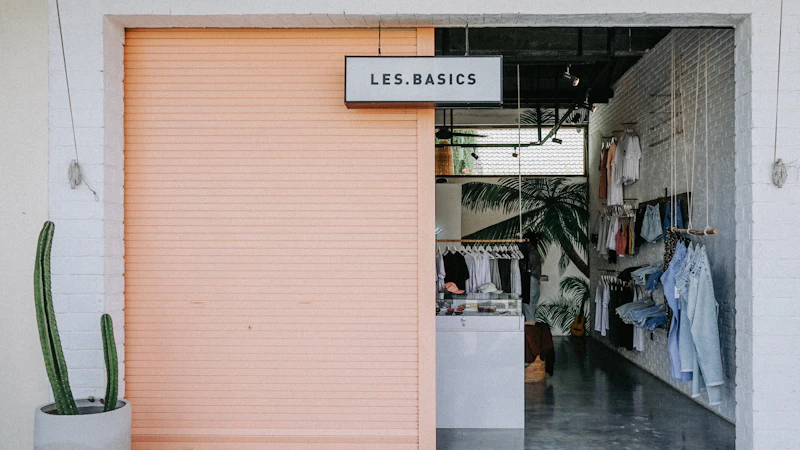
Most clienteling apps promise a 360-degree client view. The features that bring clients back are fewer and simpler: good client notes, easy outreach, live stock and fair credit for the associate.

Ship-from-store and endless aisle: what do the OMS and store staff need?
Using stores as mini warehouses and selling beyond the shelf both depend on accurate stock, a capable order management system and store teams with time and clear rules.

Client data and consent in clienteling: a GDPR and Swiss nFADP checklist
Client books, WhatsApp threads and AI suggestions all process personal data. This checklist covers legal bases, consent, profiling, messaging channels and records for EU and Swiss stores.

Take-back programmes: what data do fashion brands need to collect and report?
Textile EPR and the EU ban on destroying unsold clothes turn garment take-back into a data discipline. This checklist covers collection, sorting, reuse and reporting data from store counter to recycler.

Omnichannel in fashion retail: what it actually requires
Omnichannel is not a website plus stores. It is a set of shared data, stock, processes and incentives that let customers move freely between channels.

Inventory visibility across channels: the basics for fashion businesses
Stock that cannot be seen cannot be sold. What inventory visibility means, which stock states to track and how to build it step by step.
What the physical fashion store is for now
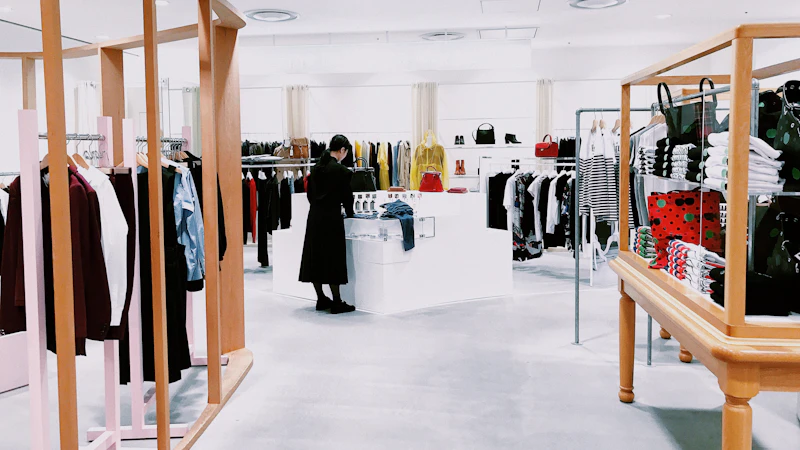
Stores are no longer just places that hold stock. They are showrooms, service centres, fulfilment hubs and return points, and must be measured that way.
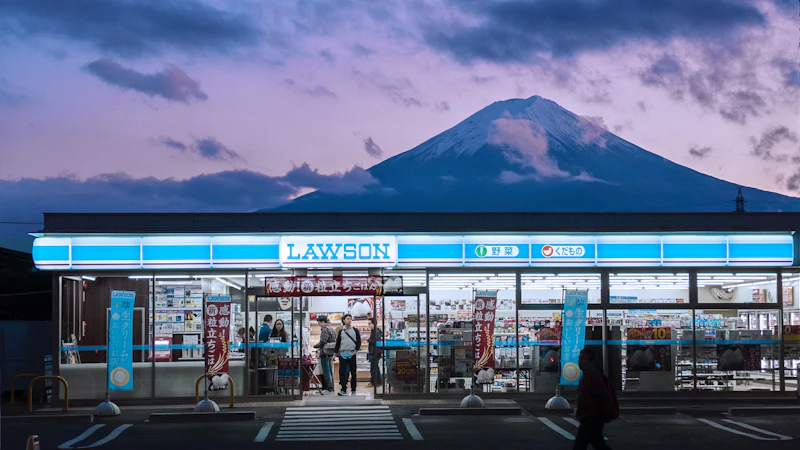
How the department store model works, and why it is changing
Department stores are part merchant, part landlord. How their model makes money, why it came under pressure and what brands should ask of them now.
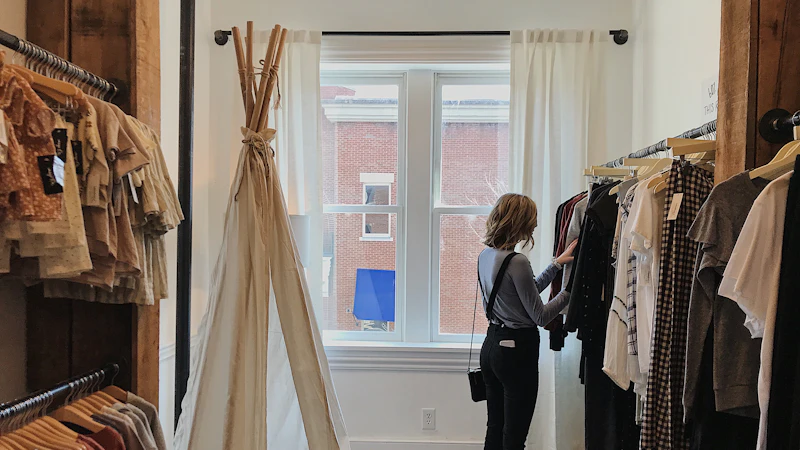
Clienteling: personal service in a data-driven fashion store
Clienteling turns store associates into relationship managers. What it is, what a programme needs, and how to introduce it without the common pitfalls.