Clienteling

How Burberry uses data and AI across clienteling, design and the supply chain
Burberry has built customer models for its client advisors and talked publicly about predictive inventory and traceability pilots. This case study separates what has been published from what has not.

How Prada Group applies digital tools and AI to product development and clienteling
Prada Group's public AI footprint is mostly in planning and customer data platforms, not design. A sober look at what the group and its vendors have actually said.
How Mytheresa uses data and personalisation to serve its top luxury clients
Mytheresa has used predictive models since 2017 to find future high-value customers, while keeping buying human-led. What is published, and what AI is not doing there.
How YOOX NET-A-PORTER uses AI for product content, merchandising and clienteling
From the 2018 YooxMirror avatar styling app to a virtual stylist and group-wide recommendation, search and copy tools: what YNAP and parent LuxExperience have published about AI.

How does Moncler use data and AI in design, clienteling and supply chain?
Moncler's public record shows AI first in planning, quality control and replenishment, then in clienteling tools and a redesigned website. What it discloses, and what it does not, is instructive.
How does Saks use AI agents in customer service and personal shopping?
Saks set out a plan in 2024 to let AI agents handle routine service requests and to give advisors AI recommendations from a unified customer profile. Here is what was announced, what is known and what is not.
How Nordstrom uses AI for personalisation, search and stylists
Nordstrom's refreshed app blends generative AI with stylist content, learns from shopper behaviour and keeps a direct route to human stylists. What the retailer has announced, and what it has not.
How is AI used in physical fashion stores?
From associate assistants and clienteling to computer vision for stock and checkout, AI is moving onto the shop floor. What works, what it requires and where privacy law draws hard lines.
How Kering uses AI: luxury clienteling and conversational commerce
From Gucci's generative AI pilot in client service to the Madeline shopping assistant and an AI-powered unified client base announced in 2026: what Kering has built and disclosed.
AI in luxury fashion: how clienteling, craft and brand control are changing
Luxury houses sell scarcity, service and story. AI can strengthen all three, but only if brands keep control of voice, data and the human relationship at the moments that matter.
Clienteling apps for store staff: which features actually drive repeat sales?
Most clienteling apps promise a 360-degree client view. The features that bring clients back are fewer and simpler: good client notes, easy outreach, live stock and fair credit for the associate.

AI in clienteling: how next-best-message works, and where privacy sets limits
AI can suggest which client to contact, with which product or trade-in offer, and draft the message. GDPR, the Swiss nFADP and the EU AI Act decide how far that automation may go.

How do you measure clienteling ROI across store, chat and online?
Clienteling sales happen in the store, in a chat thread and on the website, often weeks apart. A credible ROI needs clear attribution rules, a control group and honest costs.

How can brands support clienteling by store staff at multibrand wholesale partners?
In multibrand stores, the associate who knows the client works for the retailer, not the brand. Brands can still equip that associate with product knowledge, stock visibility and content, if data roles are clear.

Ship-from-store and endless aisle: what do the OMS and store staff need?
Using stores as mini warehouses and selling beyond the shelf both depend on accurate stock, a capable order management system and store teams with time and clear rules.

Client data and consent in clienteling: a GDPR and Swiss nFADP checklist
Client books, WhatsApp threads and AI suggestions all process personal data. This checklist covers legal bases, consent, profiling, messaging channels and records for EU and Swiss stores.
What do AI shopping agents mean for fashion brands' websites and product feeds?
ChatGPT, Google and others now let shoppers discover and buy products inside AI assistants. For fashion brands, product data quality becomes the new storefront.
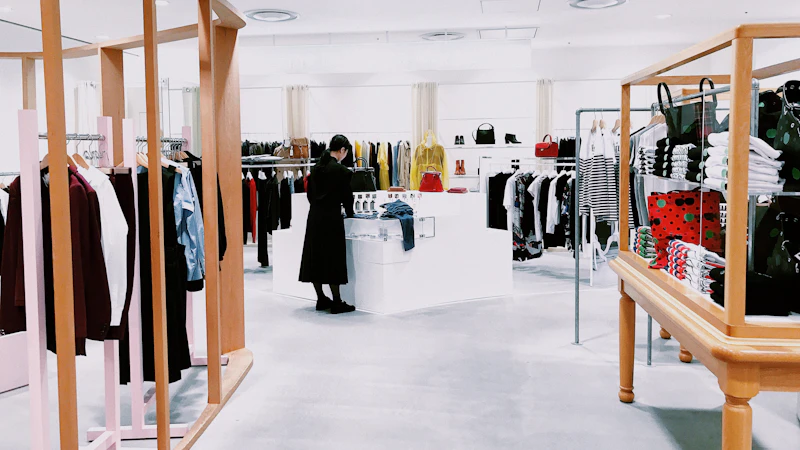
What the physical fashion store is for now
Stores are no longer just places that hold stock. They are showrooms, service centres, fulfilment hubs and return points, and must be measured that way.
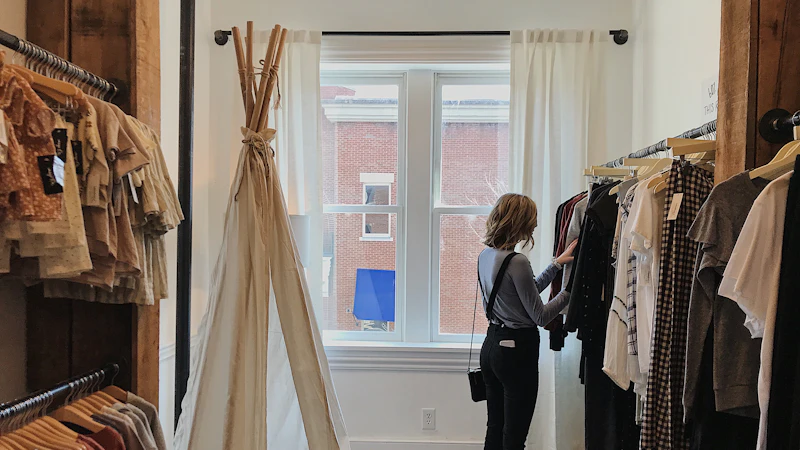
Clienteling: personal service in a data-driven fashion store
Clienteling turns store associates into relationship managers. What it is, what a programme needs, and how to introduce it without the common pitfalls.