Marketing

How American Eagle Outfitters positions AI: Aerie's pledge against generated bodies
American Eagle's most visible AI statement is a refusal: its Aerie brand pledged no AI-generated bodies or people. A case study of a retailer using AI policy as brand strategy, and what is not public.

Getting found in ChatGPT shopping and AI assistants: what fashion brands can control
Nobody can buy a guaranteed place in an AI assistant's answer. Fashion brands can, however, control crawler access, product data and policy clarity, and those are the levers that matter.

Managing AI crawlers on a fashion site: robots.txt, llms.txt and licensing
A practical guide to deciding which AI crawlers may fetch a fashion site, what robots.txt can and cannot do, and where llms.txt fits.
Which fashion queries trigger AI answers, and what that means for content
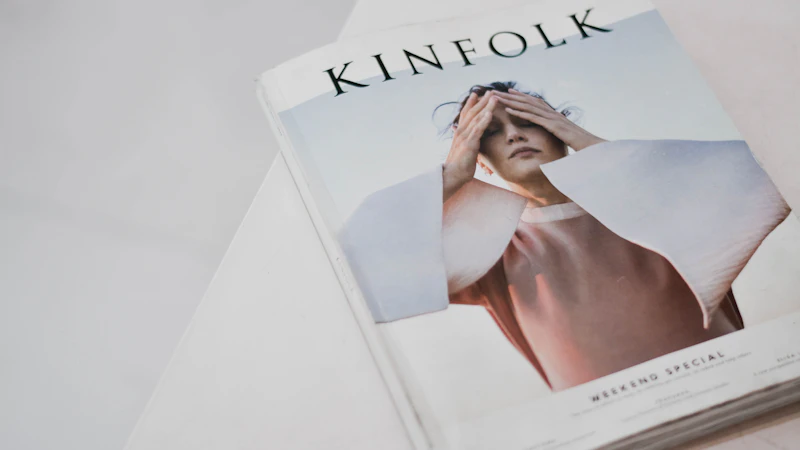
AI answers appear far more often on informational searches than on buying searches. For fashion publishers and retailers, that shapes which content is at risk and which is not.

Monitoring what AI models say about your brand: a monthly routine
AI assistants now describe fashion brands to shoppers and buyers. A simple monthly routine can show whether those descriptions are accurate, which sources they rely on and what to fix.

C2PA and content credentials for fashion imagery, explained
Content credentials record where an image came from and how it was edited. What the standard does, what it cannot do, and how it relates to AI Act marking duties.

AI in fashion loyalty programmes: segmentation, rewards and incentives
Fashion retailers are rebuilding loyalty schemes around machine learning and consented data. What AI actually does in a scheme, what examples exist, and where the limits are.

Why did Valentino's AI-generated DeVain campaign cause a backlash?
In December 2025 Valentino posted a clearly labelled AI-generated video for its DeVain bag and drew a wave of criticism. The episode shows that disclosure alone does not make AI imagery acceptable in luxury.

The Guess AI model ad in Vogue: what happened and what brands should learn
A Guess advert featuring an AI-generated model ran in Vogue US in August 2025 with a small disclosure line. The backlash, and new disclosure laws since, set out what brands now need to get right.

How does PUMA use generative AI for campaign imagery and product content?
PUMA uses Google's Imagen models to generate localised backgrounds and handle routine image editing for its online shop. The case shows where generative imagery works for a global brand and what it depends on.
Who owns the customer when an AI agent shops? Brand control in agentic commerce
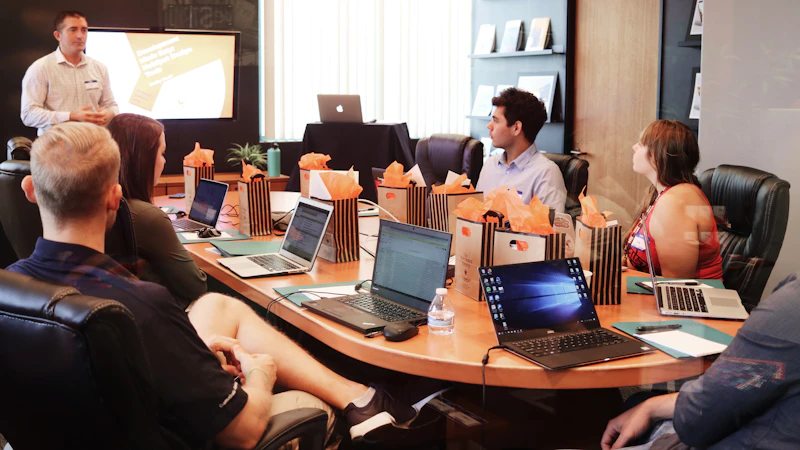
When assistants search, compare and buy for shoppers, fashion brands risk losing the relationship, the data and the presentation. Where control is shifting, and which levers brands still hold.

How to audit your fashion brand's visibility in ChatGPT, Gemini and Perplexity
A repeatable audit shows whether AI assistants mention your brand, what they say about it and which pages they cite. Here is a practical method, from prompt sets to crawler checks.
GEO vs SEO: what changes for fashion brands when answers replace search results?
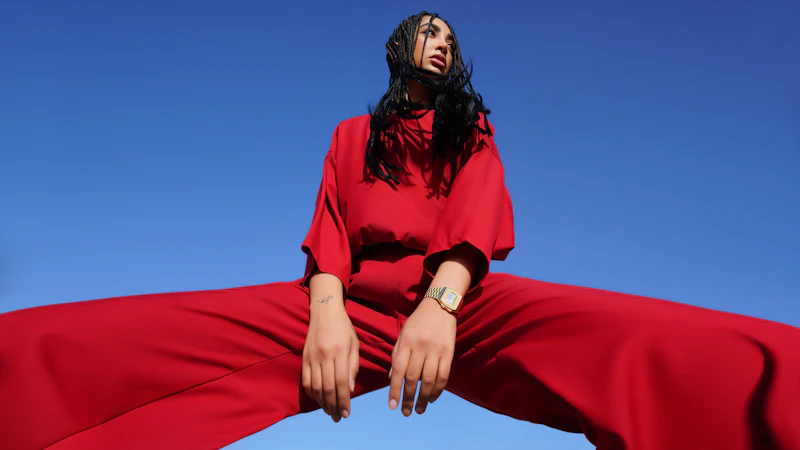
Generative engine optimisation builds on SEO rather than replacing it. What changes is the unit of success: being cited and described correctly inside an answer, not only ranking on a page.

GEO for B2B: how do wholesale fashion brands get found by retail buyers using AI?
Store buyers increasingly research new labels with AI assistants before they visit a trade fair or showroom. Wholesale brands need public, factual information that those assistants can find and cite.

Google AI Mode and AI Overviews: what do they mean for fashion retail traffic?
Google now answers many fashion questions itself and is building shopping, try-on and checkout into AI Mode. Fashion retailers should expect fewer informational clicks and more competition inside Google.

Do AI-generated fashion images need a label? The AI Act transparency rules
Article 50 of the AI Act requires chatbot disclosure, machine-readable marking and deepfake labels from August 2026. What it means for campaigns, product imagery and virtual models.

How are fashion brands using AI in marketing, from content to measurement?
Generative AI has cut the time and cost of campaign content for some retailers, but brand control, rights and disclosure rules decide whether it works. A guide to the main uses and their limits.
AI-generated models in fashion: what are the ethics and disclosure rules?
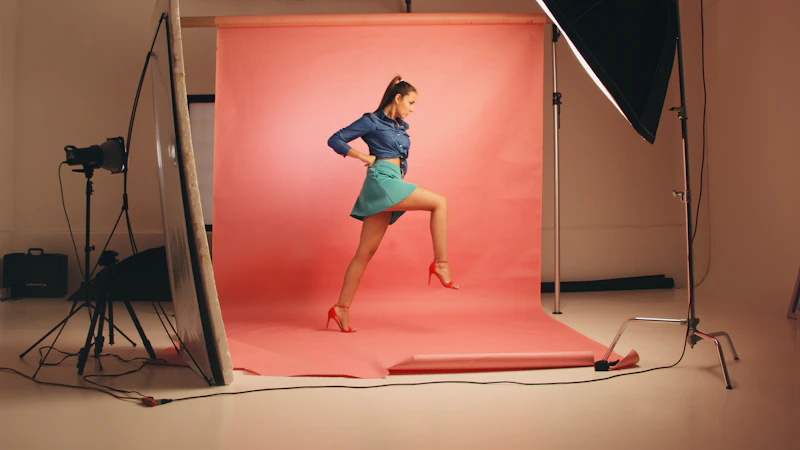
Digital twins and fully synthetic models promise faster, cheaper imagery. Consent, pay, disclosure and audience trust now shape how brands can use them, and new rules in New York and the EU raise the bar.

How is AI search changing the way shoppers find fashion?
Shoppers now describe what they want to chatbots and AI search engines instead of typing keywords. How conversational shopping works, what the early evidence shows and what it means for fashion brands and retailers.

What is GEO, and how can fashion brands be found in AI search?
Generative engine optimisation aims to make a brand's products and content visible in AI-generated answers. What the research and the platforms actually say, and what fashion brands can do now.

Is fashion AI biased? Sizes, skin tones and fairness explained
From virtual models to size recommendations, fashion AI can reproduce narrow beauty norms. Where bias comes from, what research shows and how brands can test their systems.
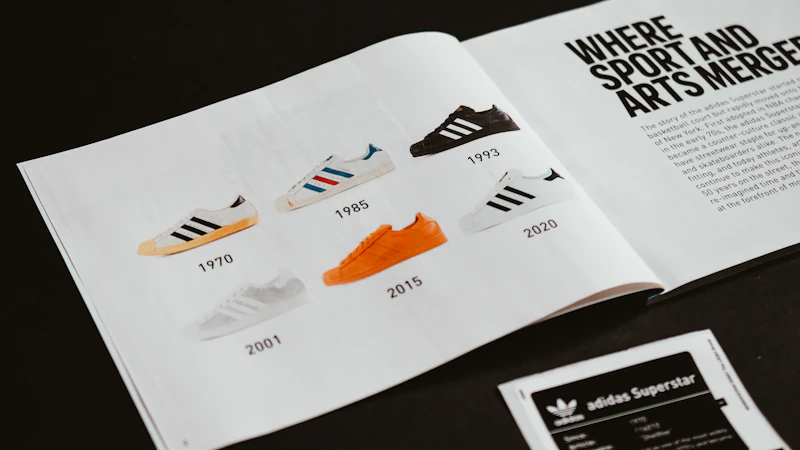
How adidas uses AI: from design archives to generative content
adidas has documented AI in footwear concepting, software engineering, review analysis and personalised campaigns. What it built, what results it reports and what it has not disclosed about planning.

How Mango uses AI: generative design, virtual models and Mango Stylist
Mango has built more than 15 machine learning platforms since 2018, from the internal Lisa tool to AI-generated campaign models and the Mango Stylist assistant. What is documented and what is not.

AI in sportswear: how it shapes performance product, community and demand
Sportswear brands combine technical product, athlete storytelling and huge launch volumes. AI helps in design, content and demand, but performance claims and athlete data raise the bar.

What is social listening, and how can wholesale brands use it to spot trends?
Wholesale brands sit far from the end customer. Social listening can narrow that distance, if it is tied to product attributes and key account conversations.

How should fashion brands manage the inventory risk of TikTok micro-trends?
Micro-trends rise and fade faster than most supply chains can react. How to decide when to chase, how to size bets and how AI helps read the curve.

AI in clienteling: how next-best-message works, and where privacy sets limits
AI can suggest which client to contact, with which product or trade-in offer, and draft the message. GDPR, the Swiss nFADP and the EU AI Act decide how far that automation may go.

Client data and consent in clienteling: a GDPR and Swiss nFADP checklist
Client books, WhatsApp threads and AI suggestions all process personal data. This checklist covers legal bases, consent, profiling, messaging channels and records for EU and Swiss stores.

Green claims in fashion: how to communicate without greenwashing
From 27 September 2026, new EU consumer rules ban vague environmental claims and unreliable labels. What changes for fashion marketing, product pages and wholesale copy.