Personalisation
How Mytheresa uses data and personalisation to serve its top luxury clients
Mytheresa has used predictive models since 2017 to find future high-value customers, while keeping buying human-led. What is published, and what AI is not doing there.
How Farfetch used AI for personalisation and marketplace operations
Farfetch built an in-house recommendation engine and partnered with AI vendors and a styling service. A look at what was published, from 2017 to 2023, and the limits of the evidence.

How Breuninger uses AI in personalisation and omnichannel retail
Breuninger's data science team built an AI photo retouching tool that became a start-up, and its omnichannel services are well ranked. Public evidence for AI personalisation is thin.
How lululemon approaches AI in product, planning and inventory
lululemon has named a chief AI and technology officer and set a new-style target, but has published few details on AI in planning. Here is what is on record.
How Vinted uses AI in search and recommendations for second-hand fashion
Vinted's engineering team has published detailed accounts of its search, autocomplete and recommendation systems. This case study sets out what is documented, what the results were and what other marketplaces can learn.
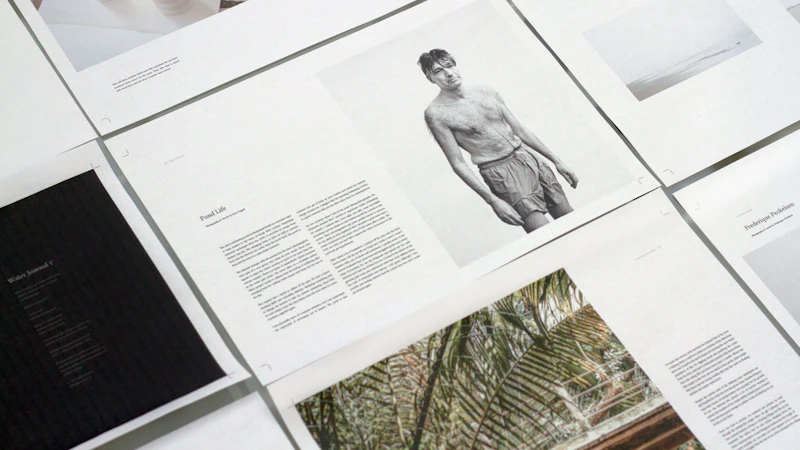
How bonprix uses AI for assortment, product ranking and pricing
The German online fashion retailer has published how it uses machine learning to cull weak styles, rank products daily and advise on size. Here is what is documented, and what is not.

How American Eagle Outfitters positions AI: Aerie's pledge against generated bodies
American Eagle's most visible AI statement is a refusal: its Aerie brand pledged no AI-generated bodies or people. A case study of a retailer using AI policy as brand strategy, and what is not public.

How Lands' End uses virtual model and AI fit tools, and what is known about returns
Lands' End has used virtual model technology since 2001 and now offers AI fit guidance in conversational shopping. A case study of the published claims, with the evidence on returns assessed.

Body data and virtual try-on: privacy rules and consent patterns
Virtual try-on and size tools collect photos and measurements. What the GDPR and Illinois BIPA require, when body data becomes special category data, and consent patterns that work.

AI in fashion loyalty programmes: segmentation, rewards and incentives
Fashion retailers are rebuilding loyalty schemes around machine learning and consented data. What AI actually does in a scheme, what examples exist, and where the limits are.
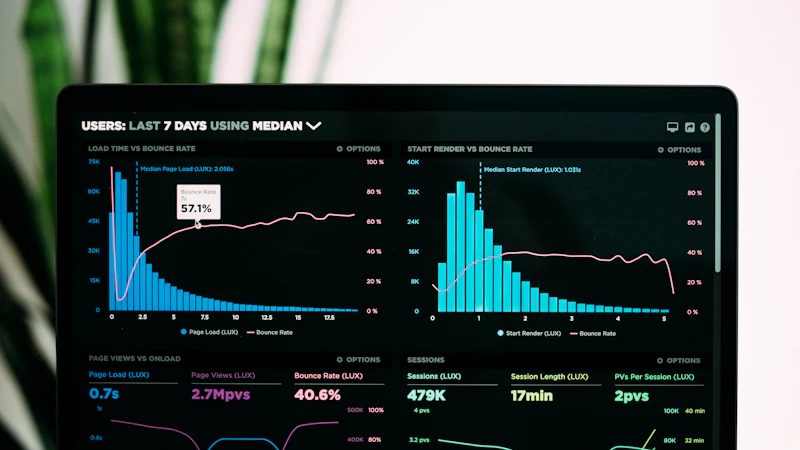
How does Tapestry use data and AI for demand planning and personalisation at Coach?
Tapestry, owner of Coach and Kate Spade, built a shared data layer, used AI to forecast demand and position inventory, and now runs an in-house generative AI system called Mira for planners and merchants.
How Marks & Spencer uses AI for style advice and product descriptions
M&S uses AI to personalise online fashion, power a body shape and style quiz and write most product descriptions, and in 2026 gave Copilot to 11,000 colleagues. What has been reported.
How Nordstrom uses AI for personalisation, search and stylists
Nordstrom's refreshed app blends generative AI with stylist content, learns from shopper behaviour and keeps a direct route to human stylists. What the retailer has announced, and what it has not.
How does ASOS use AI? Outfit recommendations, the AI Stylist and ChatGPT
ASOS has moved from single-product recommendations to AI-generated outfits, an in-app AI Stylist and a shopping app inside ChatGPT. What it has published, and what other fashion retailers can learn.

How does Myntra use generative AI? From MyFashionGPT to AI sizing and try-on
India's Myntra launched a ChatGPT-based shopping assistant in 2023 and has since added AI sizing, try-on and seller tools. What it has published, what is still piloting, and the lessons.
How does Amazon Fashion use AI for size recommendations and fit insights?
Amazon combines deep-learning size advice, AI review summaries and a fit insights tool for brands, with a shopping assistant now called Alexa for Shopping. What it has published and what brands should do.

How does Rent the Runway use data and AI to manage a shared inventory?
Rent the Runway made its biggest-ever inventory bet in 2025, then turned to AI recommendations, search and outfit generation in 2026. What it has reported, and what rental teaches about inventory.
Launching an AI shopping assistant: a 20-point checklist for fashion e-commerce
From product data and guardrails to EU AI Act transparency and measurement, the 20 checks fashion e-commerce teams should complete before an AI shopping assistant goes live.
Do AI stylists sell? The metrics to judge a conversational shopping assistant
Chat volume says little about whether an AI stylist earns its keep. Which metrics show real commercial impact, how to test them fairly and what published data does and does not prove.

Can fashion retailers use customer data to train AI under GDPR?
Personalisation, recommendations and chatbots run on customer data. How legal basis, transparency, profiling rules and data subject rights apply when fashion e-commerce uses that data for AI.

How does AI improve fit and sizing? From size advice to better patterns
Size and fit problems drive a large share of fashion returns. AI now powers size recommendations, body measurement and virtual fitting rooms, and its data can flow back into patterns and size charts.

How does AI change the digital showroom in fashion wholesale?
Digital showrooms moved collections onto screens. AI adds personalised pre-selections, natural-language search, generated imagery and behavioural insight, with new limits to manage.

How does AI personalisation work in fashion e-commerce?
Recommendations, ranked listings, size advice and conversational assistants all rely on the same thing: clean customer and product data. A practical guide to what works, what it costs and where the limits are.
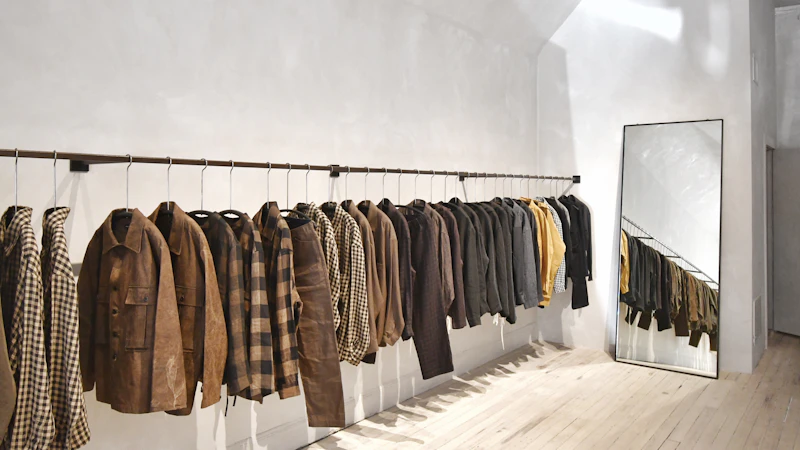
Virtual try-on in fashion: how does it work and does it reduce returns?
Generative AI can now show a garment on a photo of the shopper. That helps with style decisions, but fit and size are a different problem. What the technology does, what it needs and what the evidence says.

Is fashion AI biased? Sizes, skin tones and fairness explained
From virtual models to size recommendations, fashion AI can reproduce narrow beauty norms. Where bias comes from, what research shows and how brands can test their systems.
How Zalando uses AI: the assistant, personalisation and size advice
Zalando has put AI into search, discovery and fit. What it built, how the data and models fit together, which results it has published and what remains unproven.

How Nike uses AI: direct-to-consumer data and generative product creation
From demand sensing for its own channels to AI-generated footwear concepts and an AI shopping beta, what Nike has built, what it has disclosed and what changed under new leadership.
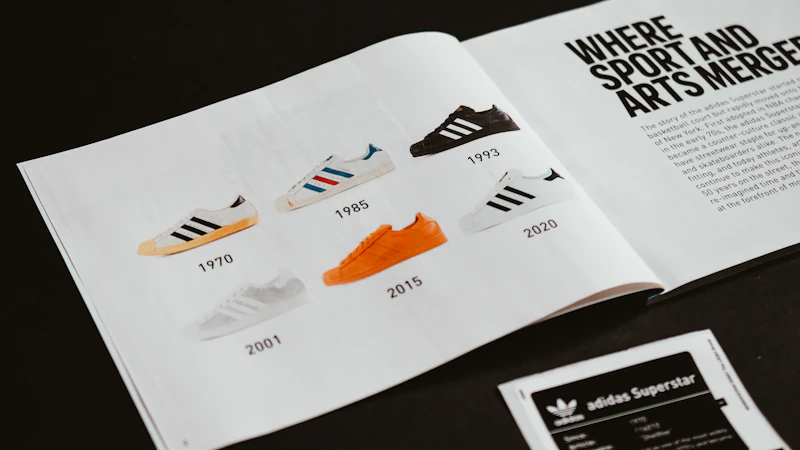
How adidas uses AI: from design archives to generative content
adidas has documented AI in footwear concepting, software engineering, review analysis and personalised campaigns. What it built, what results it reports and what it has not disclosed about planning.

How Ralph Lauren uses AI: Ask Ralph and the conversational shopping assistant
Ralph Lauren launched Ask Ralph, a conversational styling assistant built on Microsoft Azure OpenAI, in its US app in September 2025. What it does, what has been disclosed and what remains open.

How Mango uses AI: generative design, virtual models and Mango Stylist
Mango has built more than 15 machine learning platforms since 2018, from the internal Lisa tool to AI-generated campaign models and the Mango Stylist assistant. What is documented and what is not.
How Stitch Fix uses AI: algorithms plus human stylists
Stitch Fix pairs recommendation algorithms with about 1,700 part-time stylists, and has added generative AI tools such as Vision. How the hybrid model works and what the numbers show.
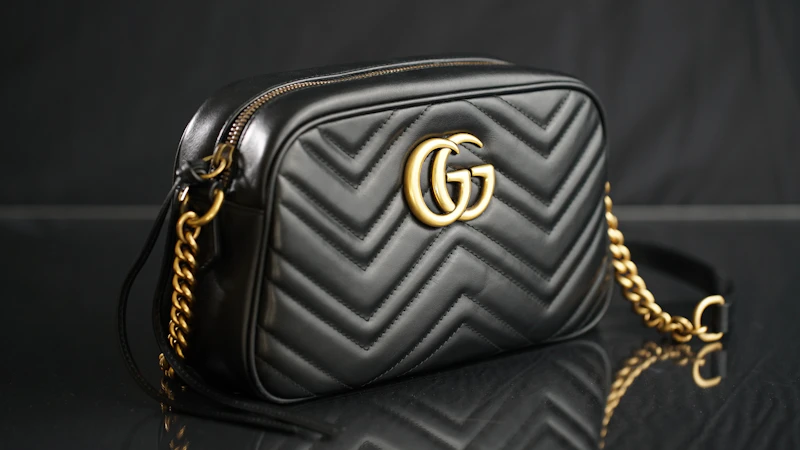
How Kering uses AI: luxury clienteling and conversational commerce
From Gucci's generative AI pilot in client service to the Madeline shopping assistant and an AI-powered unified client base announced in 2026: what Kering has built and disclosed.
AI for fashion e-commerce managers: a practical guide
Where AI helps fashion e-commerce managers with search, personalisation, product content, size advice, service and merchandising, what data it needs, legal duties and a 30-day starting plan.
AI in luxury fashion: how clienteling, craft and brand control are changing
Luxury houses sell scarcity, service and story. AI can strengthen all three, but only if brands keep control of voice, data and the human relationship at the moments that matter.

AI in sportswear: how it shapes performance product, community and demand
Sportswear brands combine technical product, athlete storytelling and huge launch volumes. AI helps in design, content and demand, but performance claims and athlete data raise the bar.
AI recommendations in B2B sales: from co-purchase lists to next best action
Recommendation engines are moving from simple co-purchase lists to account-specific suggestions for sales reps and buyers. How the main approaches work and what makes them trusted in fashion wholesale.
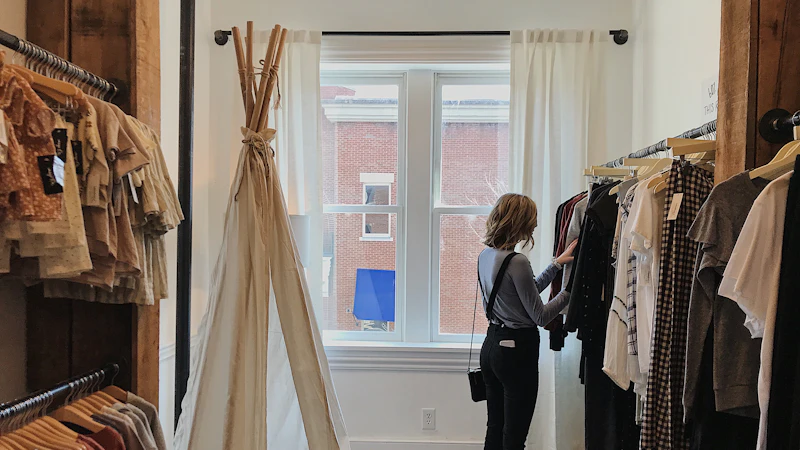
Clienteling: personal service in a data-driven fashion store
Clienteling turns store associates into relationship managers. What it is, what a programme needs, and how to introduce it without the common pitfalls.