Trends
Which fashion queries trigger AI answers, and what that means for content
AI answers appear far more often on informational searches than on buying searches. For fashion publishers and retailers, that shapes which content is at risk and which is not.

From brief to moodboard: a repeatable generative workflow for design teams
A step-by-step workflow for using image generators at the ideation stage, with the checkpoints that keep the output usable, original and documented.
Walmart's Trend-to-Product: how AI cut fashion development timelines
Walmart says its in-house Trend-to-Product tool can shorten apparel development by up to 18 weeks. Here is what the tool does, what is company-reported and what other retailers can learn.
Google AI Mode and AI Overviews: what do they mean for fashion retail traffic?
Google now answers many fashion questions itself and is building shopping, try-on and checkout into AI Mode. Fashion retailers should expect fewer informational clicks and more competition inside Google.

Fashion technology trends 2026: what is real and what is hype
AI shopping assistants, agentic checkout, virtual try-on and enterprise agents: a sober look at which fashion technology trends are delivering in 2026 and which are still mostly promise.
AI trend forecasting in fashion: how it works, what it sees and its limits
AI tools now scan runway images, social media and sales data to spot emerging styles. Here is what the signals can and cannot tell a design or buying team, and why human forecasters still matter.
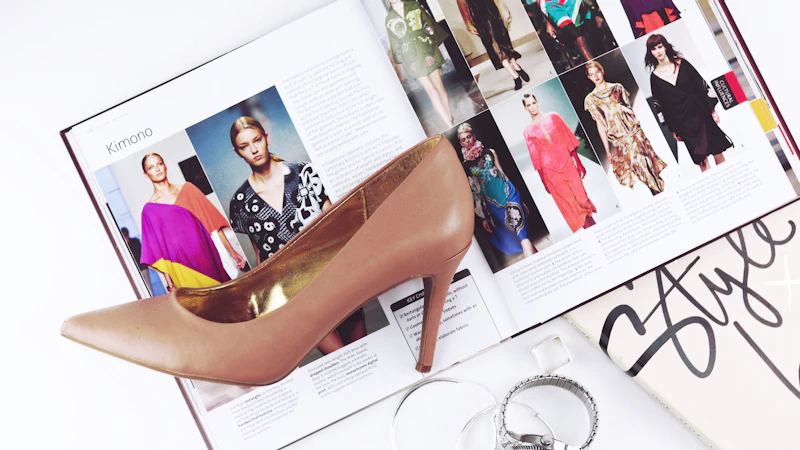
AI for fashion buyers: what changes in buying and how to start
Where AI already helps fashion buyers with trend scanning, line reviews, quantities and re-orders, what data it needs, what stays a human judgement and a 30-day plan to start.
Can AI forecast a full pre-order book from the first 20 percent of orders?
Early wholesale orders carry more signal than any pre-season plan. Here is how AI models read them, what data they need and where the forecast breaks down.

How do you turn AI trend reports into range and buying decisions?
AI trend platforms describe what is rising; a range plan needs quantities, prices and risk limits. A practical workflow for moving from signal to buy.

What is social listening, and how can wholesale brands use it to spot trends?
Wholesale brands sit far from the end customer. Social listening can narrow that distance, if it is tied to product attributes and key account conversations.
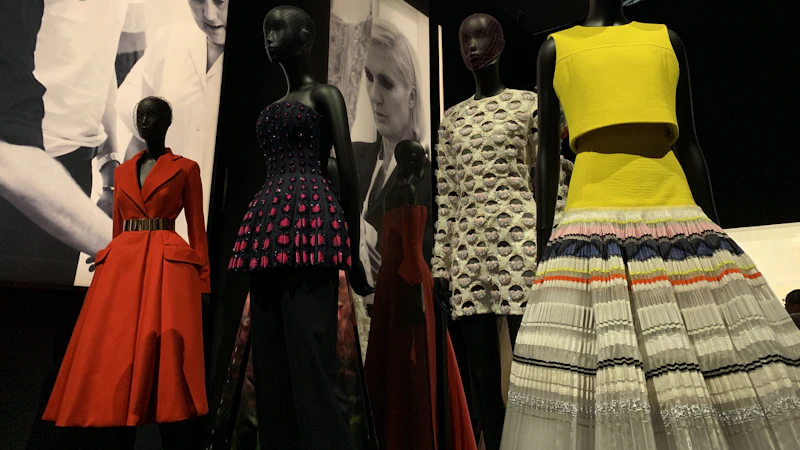
Trend forecasting platforms compared: what do WGSN, Heuritech and others measure?
Trend platforms differ less in their AI than in the data they watch. What WGSN, Heuritech, Trendalytics and EDITED measure, and how to choose.
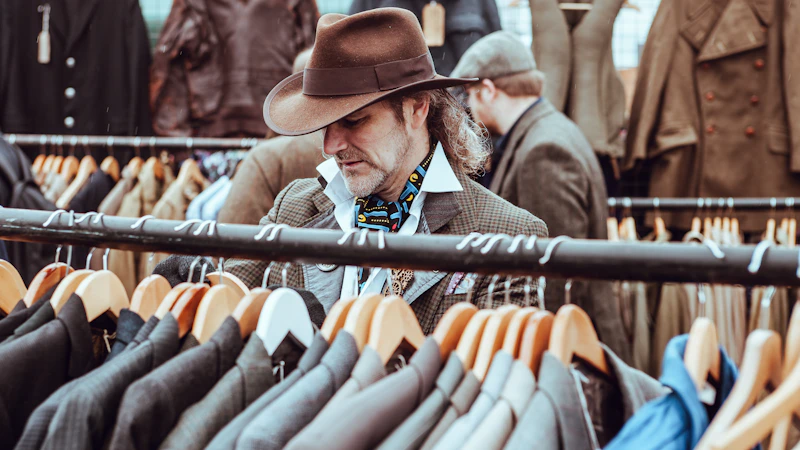
What can resale prices tell designers about fashion trends?
Second-hand prices and searches reveal which designs hold value, which revivals are coming and which brands are regaining desire. How to read them, and where they mislead.

How do you get from moodboard to 3D concept with trend data and generative AI?
Image generators produce ideas fast but not garments. A workflow that links trend data, generative tools, 3D simulation and PLM without losing control of fit or IP.

Which merchandising tasks can AI agents take over, and which can they not?
Agents can monitor, analyse and propose. Merchandisers still own strategy, trade-offs and supplier relationships. Where the line runs in 2026, and what has to be in place first.

How should fashion brands manage the inventory risk of TikTok micro-trends?
Micro-trends rise and fade faster than most supply chains can react. How to decide when to chase, how to size bets and how AI helps read the curve.

How to price and list second-hand fashion stock with AI
AI can draft resale listings from photos, suggest prices from transaction data and help grade condition. A practical workflow keeps humans in charge of identification, condition and price limits.