Circularity
An approach that keeps products and materials in use for as long as possible through durability, repair, reuse and recycling. Glossary
How can you verify recycled-content claims in fashion products?
Verification rests mainly on certification and chain-of-custody records, with testing and AI as checks, not proof.
Design for recycling: a checklist for fashion product teams
A practical checklist covering fibre choice, trims, finishes, labels and data, based on published guidelines and EU ecodesign direction.
How does The RealReal use AI for authentication, pricing and intake?
The RealReal pairs human authenticators with image tools, prices most items algorithmically and is moving intake onto an AI system called Athena. What it has disclosed, and what the model means for resale.
How does ThredUp use AI to list and sell second-hand fashion at scale?
ThredUp uses AI to describe and measure items it processes, and natural-language search, image search and a style chat to help shoppers find them. What it has published, and the lessons for resale.
How does AI help sort and recycle textiles?
Recycling clothes into new fibres needs precise sorting by material and colour. Sensors and machine learning make that possible at scale, but capacity and economics are still limiting.
AI in resale and second-hand fashion: authentication, pricing and listing
Every second-hand item is a unique product that must be identified, checked, priced and described. That makes AI more central to resale economics than to almost any other fashion segment.
What can resale prices tell designers about fashion trends?
Second-hand prices and searches reveal which designs hold value, which revivals are coming and which brands are regaining desire. How to read them, and where they mislead.
How do fashion brands route returns into resale?
Returned goods that cannot go back to full price stock need a decision: refurbish, resell, donate or recycle. Grading rules, data and the EU ban on destroying unsold clothes now shape that routing.
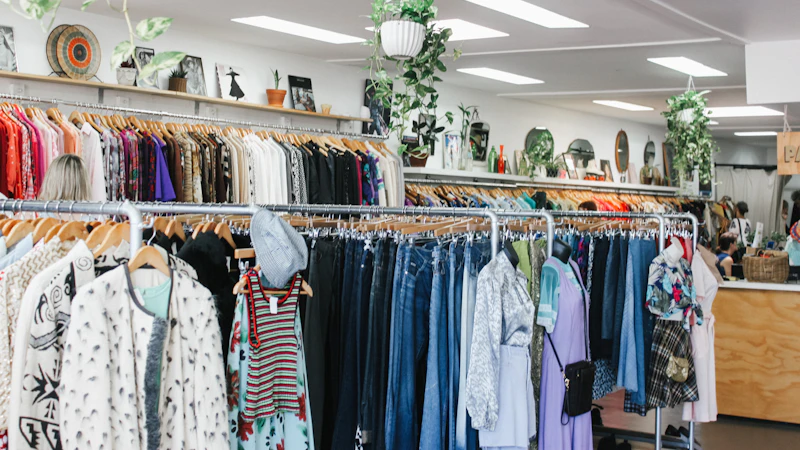
How can fashion brands launch their own resale platform?
Brands can run resale in house, on a white-label service or through marketplace partnerships. Each model trades control, cost and reach differently, and each depends on product data and operations.
Take-back programmes: what data do fashion brands need to collect and report?
Textile EPR and the EU ban on destroying unsold clothes turn garment take-back into a data discipline. This checklist covers collection, sorting, reuse and reporting data from store counter to recycler.
Who sells the second life of a garment: brands or their retail partners?
Department stores and online retailers are adding pre-owned assortments, often with resale specialists. For wholesale brands this raises questions of control, pricing, data and contract terms.

Is there a DPP business case beyond compliance? Resale, service and customer data
The Digital Product Passport is a regulatory cost, but the same identifier and data can support resale, repair, care services and a direct link to owners. Where the value is real and where it is still unproven.

ESPR explained: what the EU ecodesign regulation means for textiles
The Ecodesign for Sustainable Products Regulation extends EU product design rules to clothing and footwear. What it requires, what is already in force and what is still being drafted.
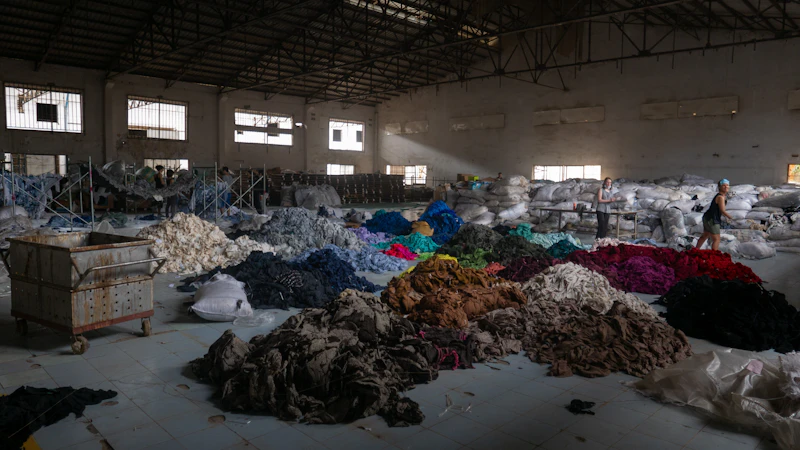
Extended producer responsibility for textiles, explained
The revised EU Waste Framework Directive makes producers pay for the collection, sorting and recycling of used clothing and footwear. Who counts as a producer, what it costs and when it starts.
Resale and recommerce: how second-hand reached the brands
Second-hand fashion has moved from charity shops and peer-to-peer platforms into brand-run programmes. The main models, what they require and where they fit in a brand's strategy.
Circular design principles for fashion collections
A garment's end of life is largely decided at the design desk. The principles of circular design, how they translate into collection work and the trade-offs designers face.