Returns
How Lands' End uses virtual model and AI fit tools, and what is known about returns
Lands' End has used virtual model technology since 2001 and now offers AI fit guidance in conversational shopping. A case study of the published claims, with the evidence on returns assessed.

Returns policies when the buyer is an AI agent: rules to write now
When an assistant places the order, returns questions get harder: who authorised the purchase, what the shopper was told, and who pays. Here are the rules fashion retailers should settle first.
Wardrobing and returns abuse: how to detect it without punishing good customers
AI can score return behaviour at item and customer level, but blanket rules and opaque decisions cost loyalty. Here is how to target abuse narrowly and keep honest returners.
Paid returns: what happens to conversion and loyalty?
Returns fees are now common in UK fashion, yet public evidence on conversion and loyalty is thin. What the data says, what it does not, and how to test a fee safely.
How to fix size chart inconsistency across styles with data
Inconsistent size charts push shoppers to order several sizes. A practical sequence for auditing garment measurements, using returns data and closing the loop with design and fit.

How to measure virtual try-on: a test design and the numbers to track
Try-on users are not a random sample, so naive comparisons overstate results. A test design with holdouts, the metrics that matter and the traps to avoid.

How to automate returns and exchange conversations safely
AI agents can handle routine return and exchange chats, but a wrong answer can bind the retailer. How to scope, ground, escalate and audit an assistant before it speaks to customers.
How does ASOS use AI? Outfit recommendations, the AI Stylist and ChatGPT
ASOS has moved from single-product recommendations to AI-generated outfits, an in-app AI Stylist and a shopping app inside ChatGPT. What it has published, and what other fashion retailers can learn.
How does Amazon Fashion use AI for size recommendations and fit insights?
Amazon combines deep-learning size advice, AI review summaries and a fit insights tool for brands, with a shopping assistant now called Alexa for Shopping. What it has published and what brands should do.
Google AI try-on and Doppl: what search-native try-on means for fashion brands
Google moved virtual try-on from a Labs experiment into Search and Shopping in little over a year, then closed its standalone Doppl app. What happened, and what it means for brands.
What data does AI size recommendation need? Measurements, fit notes and returns
Size recommendation is only as good as the data behind it. A practical guide to the garment, customer and returns data that size and fit models need, and who in the business owns each piece.

How does AI predict returns before checkout? Flagging risky baskets explained
Return prediction models estimate, while the basket is still open, how likely each item is to come back. How they work, what data they need, which interventions are fair, and where the legal limits lie.

Wholesale returns and claims: how AI helps settle retailer disputes faster
Shortages, damages, compliance chargebacks and returns allowances quietly erode wholesale margin. How AI can match documents, spot patterns and speed up claims with retail partners, and what it cannot fix.
How can AI reduce fashion returns? 12 levers ranked by likely impact
From size advice and fit flags to return prediction and try-on, a checklist of twelve AI levers for reducing online fashion returns, ranked by evidence and likely impact, with the data each needs.

How to feed fit feedback and return reasons back into pattern-making
Return reasons and fit comments contain precise clues about patterns and grading, but rarely reach the technical design team. A step-by-step guide to closing the loop with AI and better data.
How does AI improve fit and sizing? From size advice to better patterns
Size and fit problems drive a large share of fashion returns. AI now powers size recommendations, body measurement and virtual fitting rooms, and its data can flow back into patterns and size charts.
Virtual try-on in fashion: how does it work and does it reduce returns?
Generative AI can now show a garment on a photo of the shopper. That helps with style decisions, but fit and size are a different problem. What the technology does, what it needs and what the evidence says.
How is AI used in fashion customer service, and where does it fail?
AI chatbots and agent assistants can answer order, return and sizing questions around the clock. Customers still want a human when it matters, and companies stay liable for what their bots say.

How Zalando uses AI: the assistant, personalisation and size advice
Zalando has put AI into search, discovery and fit. What it built, how the data and models fit together, which results it has published and what remains unproven.
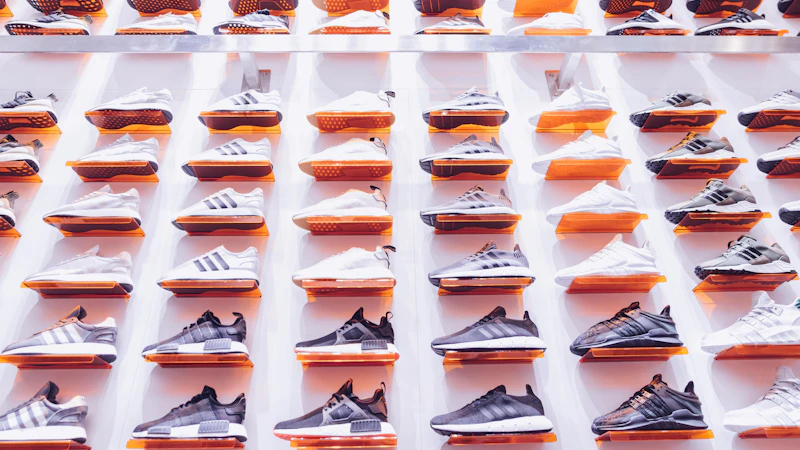
AI in footwear: fit, size data and faster product creation
In footwear, a few millimetres decide whether a sale sticks. AI helps with foot scanning, size advice and design iteration, but only on top of accurate last and product data.

AI quality checks for PIM data: catching missing, wrong and inconsistent attributes
A practical checklist for using rules and AI to find gaps, errors and contradictions in fashion product data before they reach webshops, marketplaces and customers.
How can AI find the root cause of fashion returns?
Reason codes alone rarely explain why a style comes back. Combining them with review text and product data, AI can point to fixable causes such as wrong size charts, misleading imagery or fabric surprises.
How do fashion brands route returns into resale?
Returned goods that cannot go back to full price stock need a decision: refurbish, resell, donate or recycle. Grading rules, data and the EU ban on destroying unsold clothes now shape that routing.
When does brand resale pay off? The unit economics of second-hand fashion
Resale is growing quickly, but each garment carries inspection, cleaning, photography and logistics costs. Whether it pays depends on price point, sell-through and how much of the work the customer or a partner does.

How to price and list second-hand fashion stock with AI
AI can draft resale listings from photos, suggest prices from transaction data and help grade condition. A practical workflow keeps humans in charge of identification, condition and price limits.
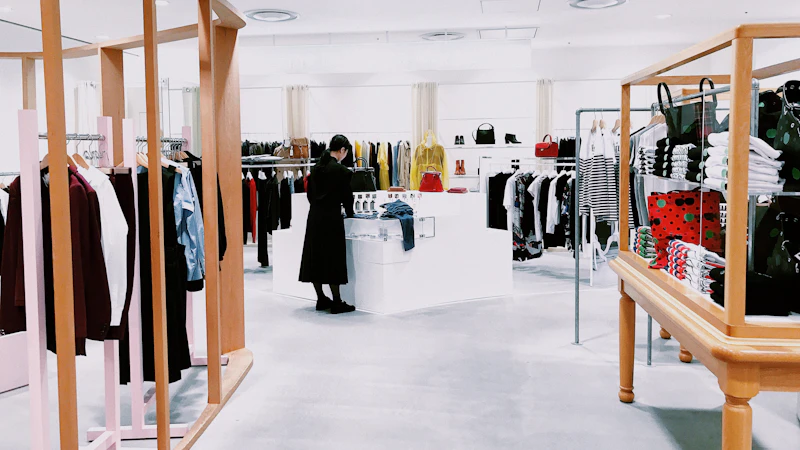
What the physical fashion store is for now
Stores are no longer just places that hold stock. They are showrooms, service centres, fulfilment hubs and return points, and must be measured that way.
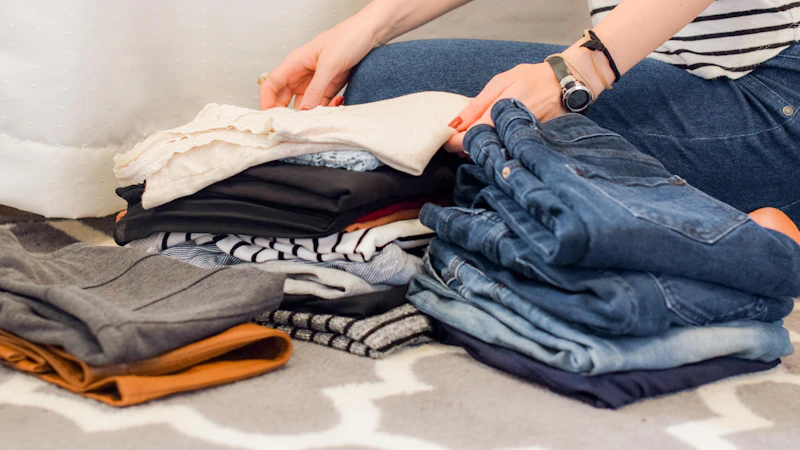
Why returns are fashion e-commerce's costliest problem
Returns hit fashion harder than almost any other online category. Where the real costs arise, why they distort data, and what retailers and brands can do.