3D
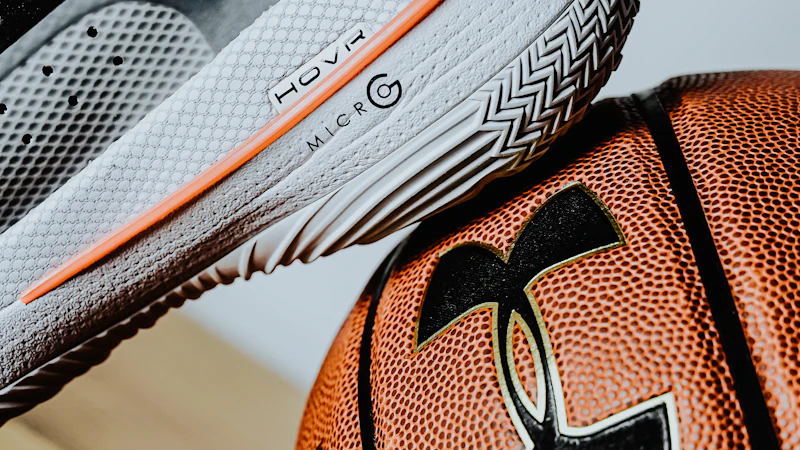
How Under Armour uses data, AI and 3D in product creation and consumer insight
Under Armour has described social listening, connected-shoe data and 3D printing in the past, and now cites AI mainly as a risk. What is documented, and what is not.
AI in pattern making and grading: what is automated today
Research shows AI can generate usable patterns for simple garments, while complex construction, varied body shapes and production tolerances still need pattern makers.
Fabric simulation and AI in textile development
How machine learning estimates how a fabric will drape from images and measurements, what that enables in virtual sampling, and where simulation still cannot replace the real cloth.
How to prepare product images and 3D files for AI tools: formats and naming
File formats, consistent images and identifiers that make visual assets usable by generative and 3D tools.
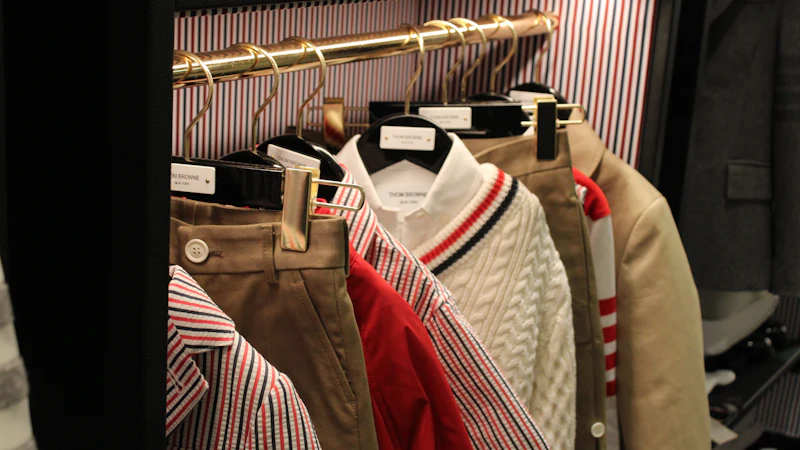
How did PVH and Tommy Hilfiger digitise wholesale with showrooms, 3D and data?
Tommy Hilfiger opened a digital showroom for wholesale buyers in 2015 and moved apparel design into 3D. The case shows what a digital sell-in process needs before AI can add value.

Sketch to 3D: how does AI turn drawings into 3D garments?
AI is starting to read fashion sketches and produce sewing patterns and draped 3D garments. How the technology works, what research shows, what commercial 3D tools already do and where the limits are.

Virtual try-on in 2026: generative, 3D and AR approaches compared
Generative image try-on, measurement-based 3D avatars and camera-based AR answer different shopper questions. A sober comparison of what each needs, what it delivers and where it falls short.

Body scanning and AI made-to-measure: is on-demand fit ready to scale?
Phone-based body scanning now reaches millions of shoppers, but made-to-measure production remains a niche. What the technology can do, what on-demand manufacturing requires, and where the bottlenecks are.

AI in fashion product development: from brief to sample
AI is reshaping the steps between a collection brief and the first approved sample: research, concepts, digital prototypes and range decisions. What works, what data it needs and where people stay in charge.

AI, 3D and virtual sampling: fewer samples, faster decisions
3D garment simulation has been replacing some physical samples for years. AI now speeds up the steps around it. Here is what virtual sampling can really replace, what data it needs and where physical samples still win.

Digital showroom ROI: how to build the business case for costs and sell-in
What a digital showroom really costs, where the savings come from, why sell-in uplift is the hardest number to prove, and how to build a business case a CFO will accept.

How to build a 3D asset pipeline from design to the digital showroom
A digital showroom is only as good as the 3D assets behind it. How to move garments from 3D design and PLM to sell-in ready renders, on time and at scale.
Hybrid selling in fashion: how trade fairs, showrooms and digital showrooms fit
Trade fairs still draw thousands of buyers, physical showrooms still matter for key accounts, and digital showrooms extend both. How to split the selling season across all three.

AI inside PLM: what did the major fashion PLM vendors add in 2025 and 2026?
Tech pack extraction, generative design studios and agentic product development: what PTC, Centric Software, Lectra and others announced, and what buyers should test before believing it.

How do you make 3D the default in PLM? Workflow, approvals and file standards
Moving 3D from a specialist side tool to the standard path in product development: where 3D sits in the PLM workflow, how approvals change, and which file and material standards matter.

Can 3D garments and AI imagery replace e-commerce photo shoots in 2026?
Large online retailers have cut studio photography sharply in favour of AI-generated product imagery. What has changed, where 3D still matters, and what the limits and legal duties are.
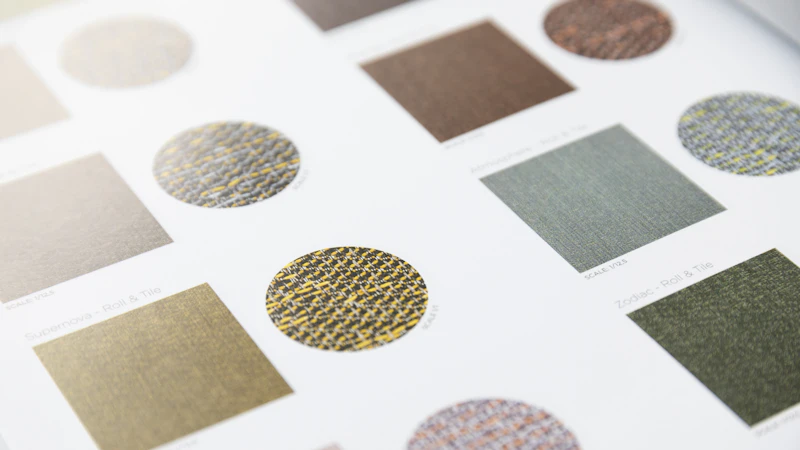
What does 3D sampling really save? Sample costs, lead times and carbon
3D sampling promises fewer physical samples, shorter calendars and lower emissions. What the published evidence supports, what remains vendor claims, and how to build your own business case.
Trend forecasting platforms compared: what do WGSN, Heuritech and others measure?
Trend platforms differ less in their AI than in the data they watch. What WGSN, Heuritech, Trendalytics and EDITED measure, and how to choose.

How do you get from moodboard to 3D concept with trend data and generative AI?
Image generators produce ideas fast but not garments. A workflow that links trend data, generative tools, 3D simulation and PLM without losing control of fit or IP.

3D design and digital samples: fewer physical samples, faster decisions
3D garment simulation lets teams review fit, colour and assortment on screen before a single sample is sewn. How it works, where it saves time and material, and where physical samples still win.